
Products
Product List
Download Catalog
Products
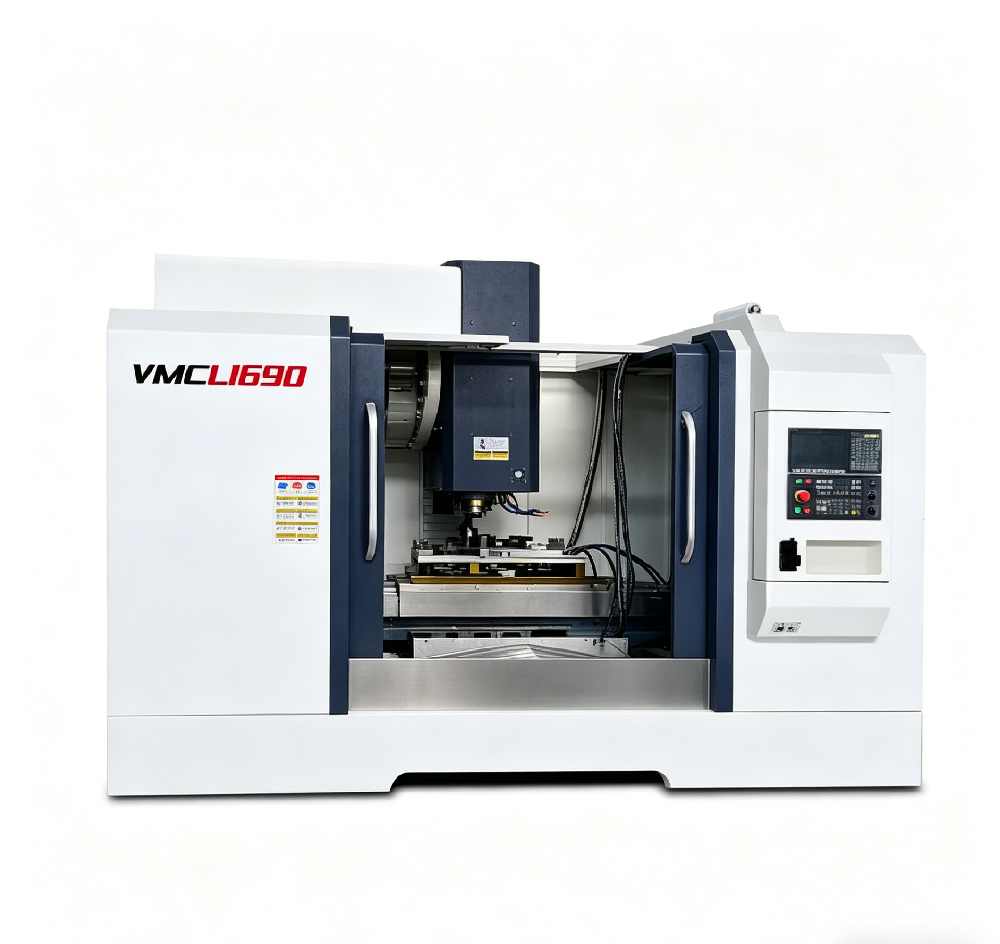
L1265 Vertical Machining Center
View Details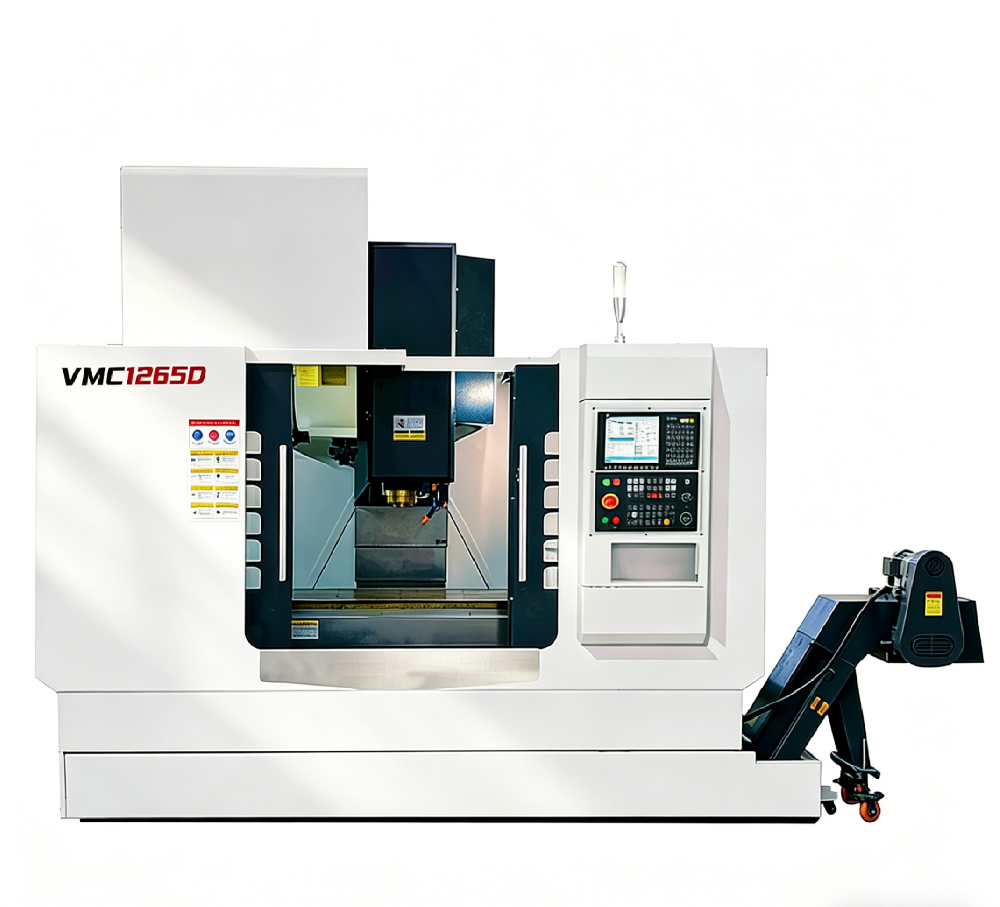
VMC1265D Vertical Machining Center
View Details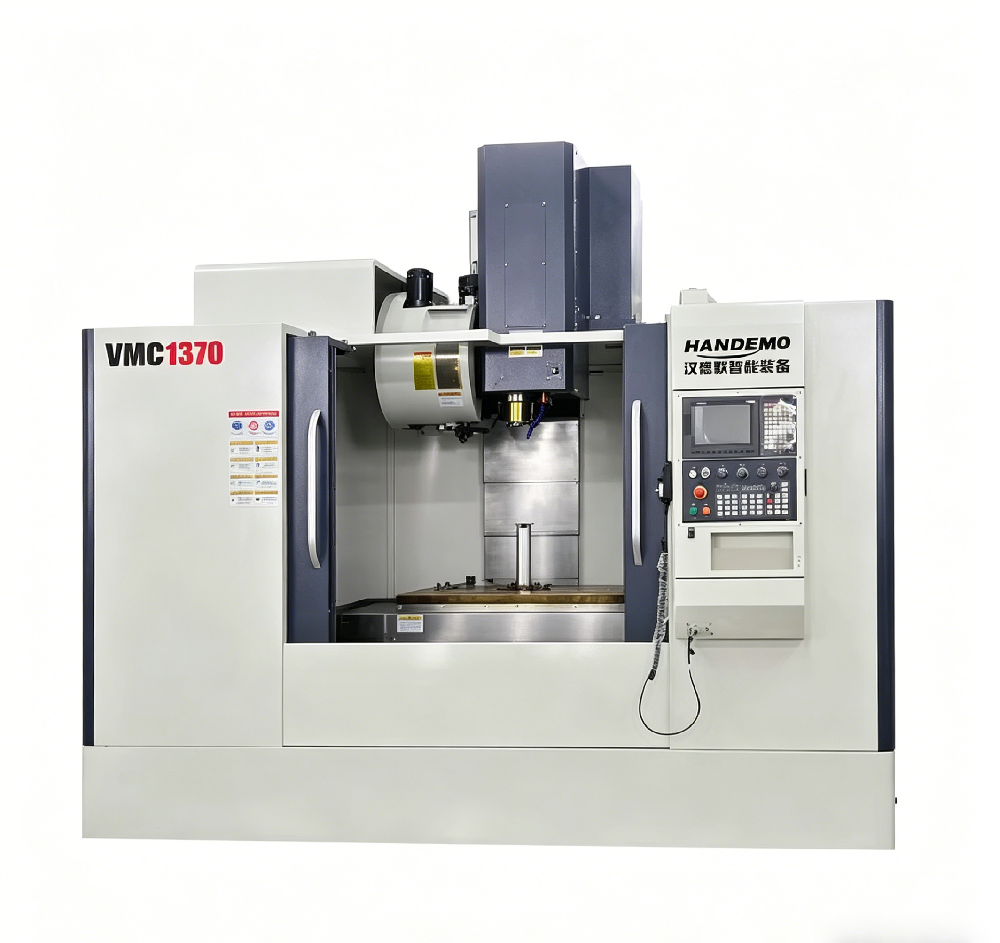
VMC1370D Vertical Machining Center
View Details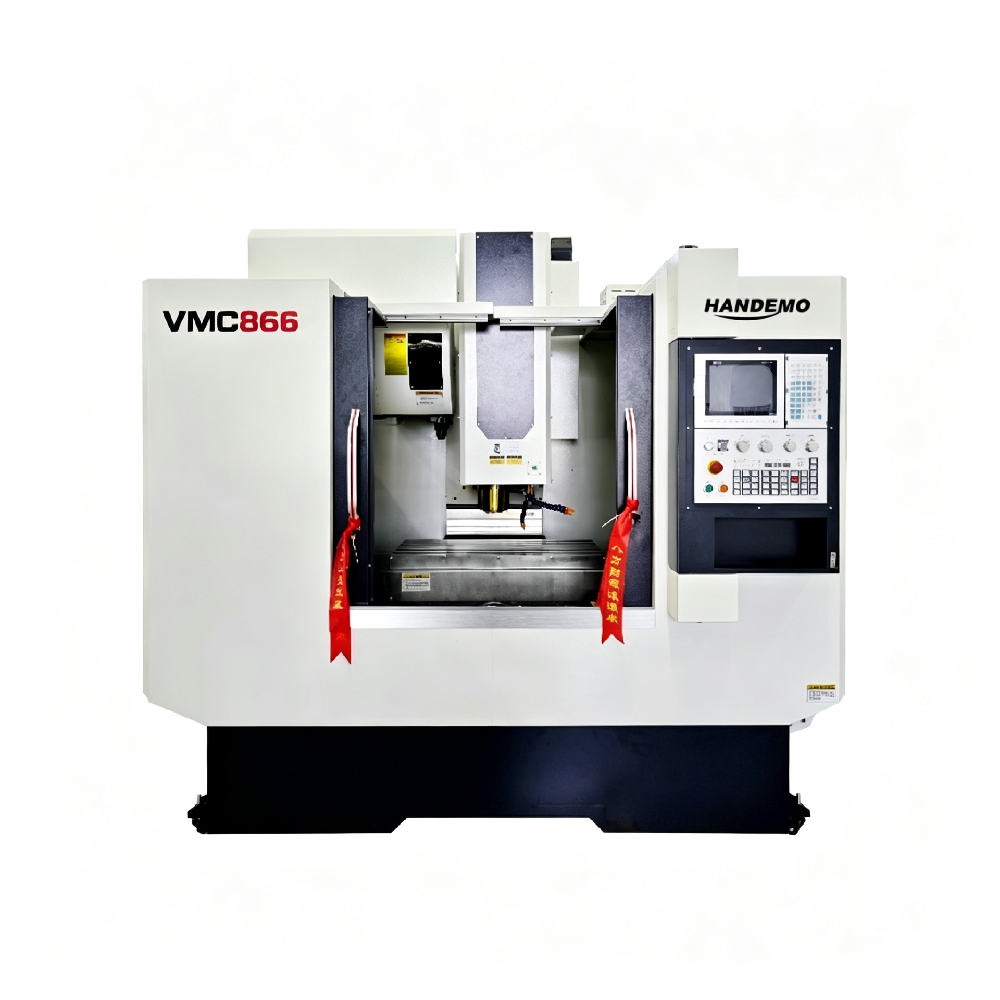
VMC866 Vertical Machining Center
View Details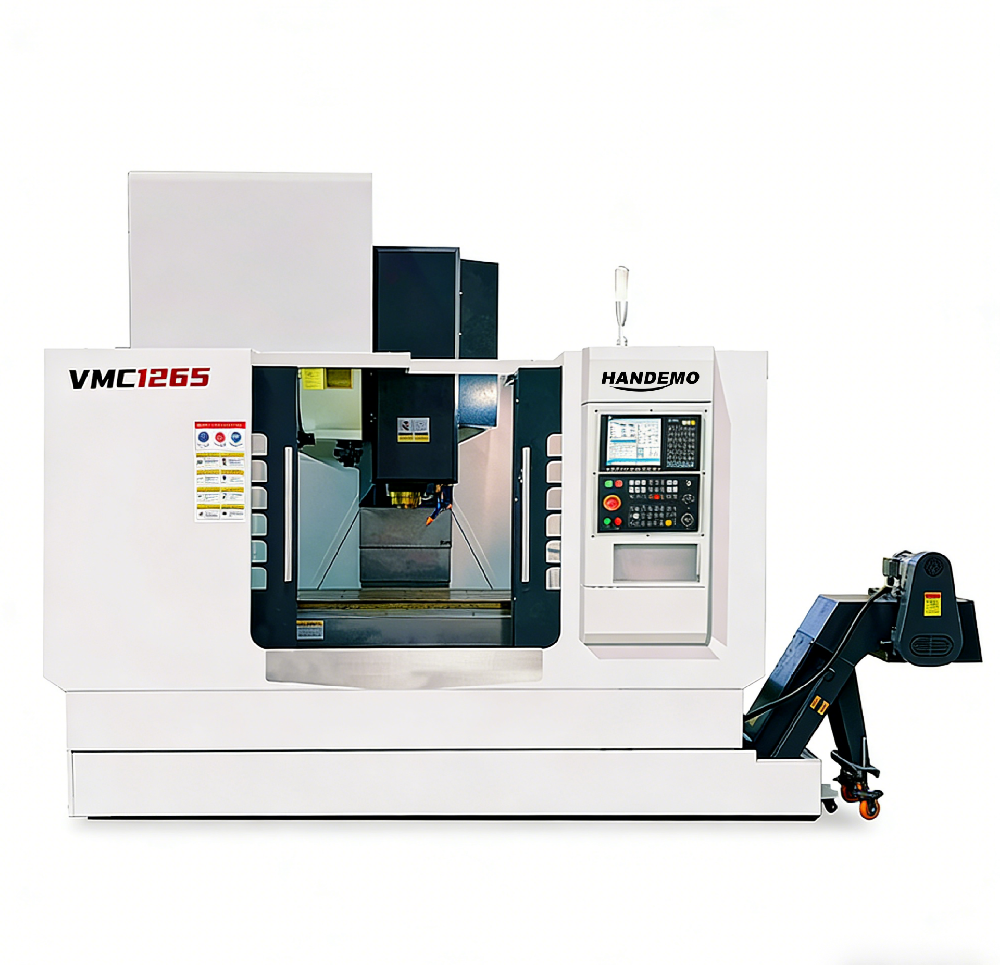
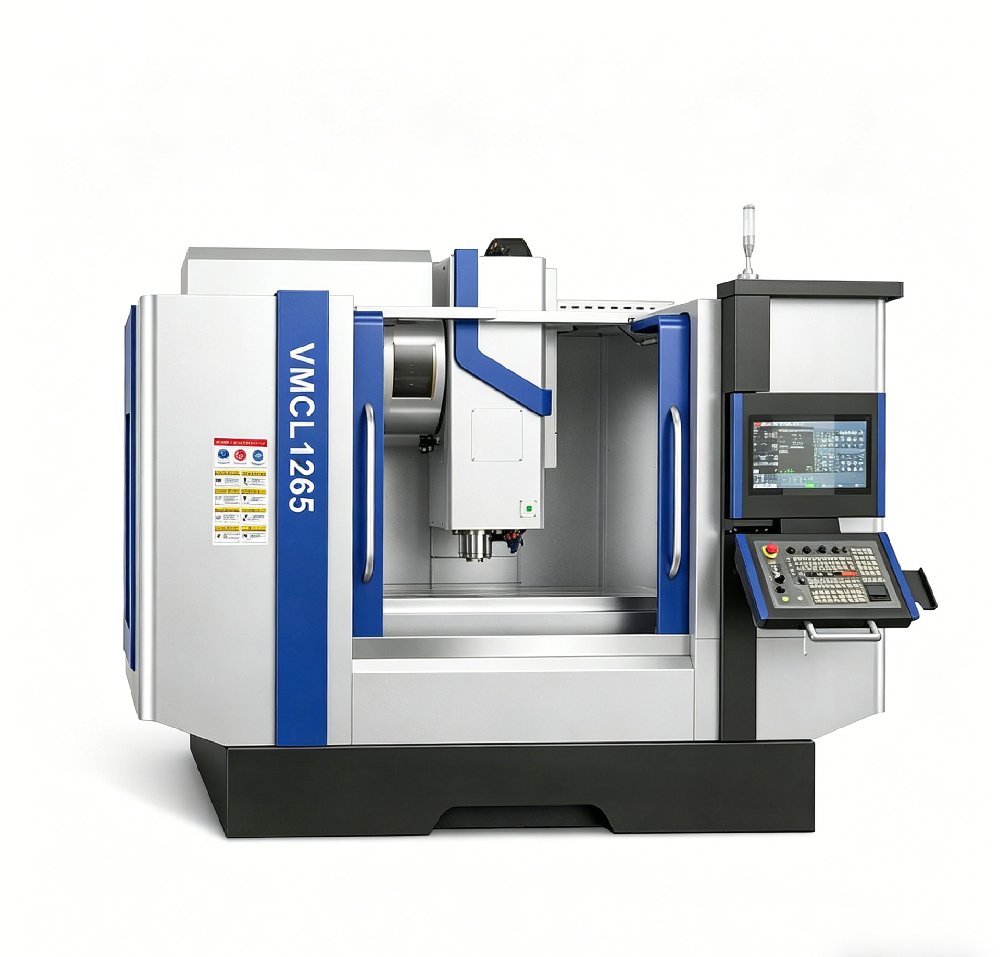
VMC1265 Vertical Machining Center
View Details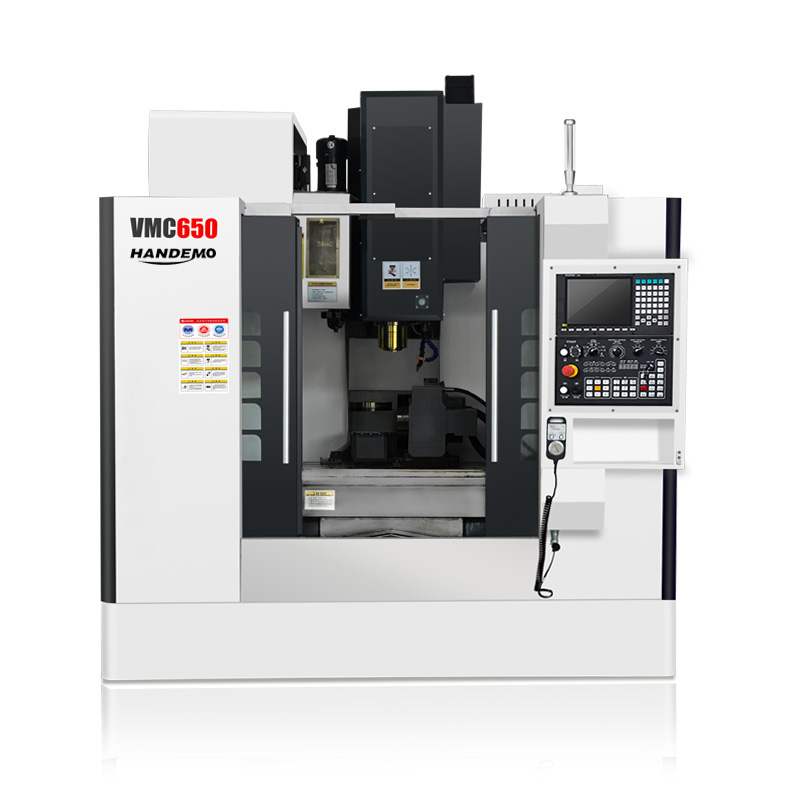
VMC650 Vertical Machining Center
View Details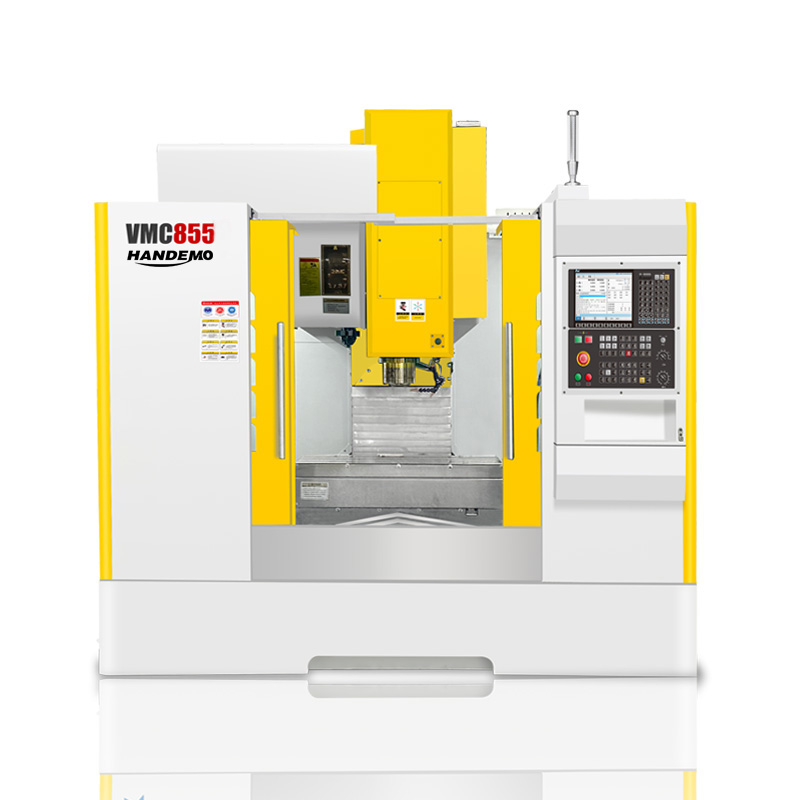
VMC855 Vertical Machining Center
View Details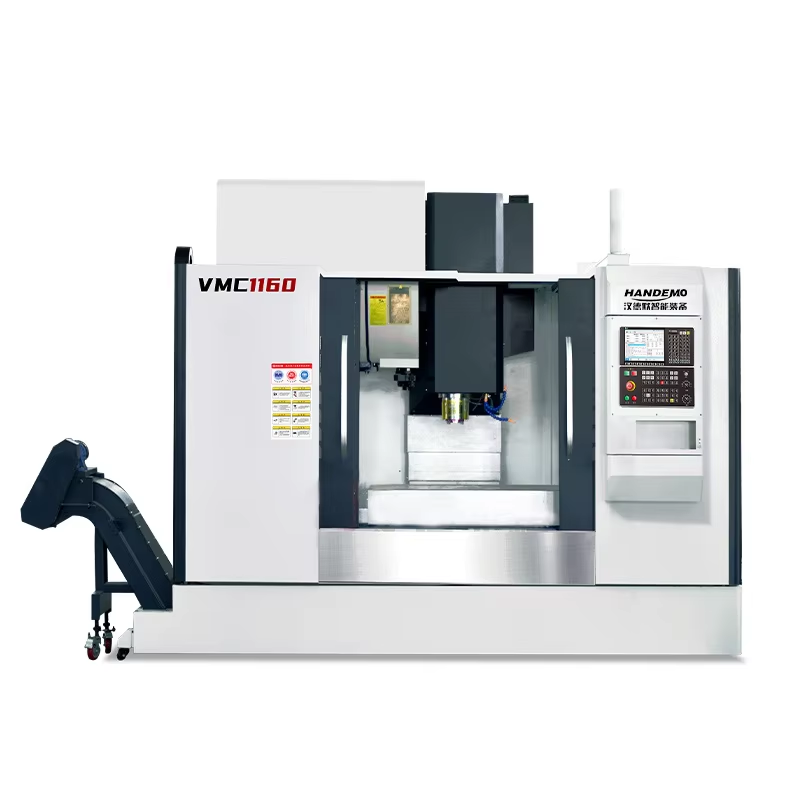
VMC1160 Vertical Machining Center
View Details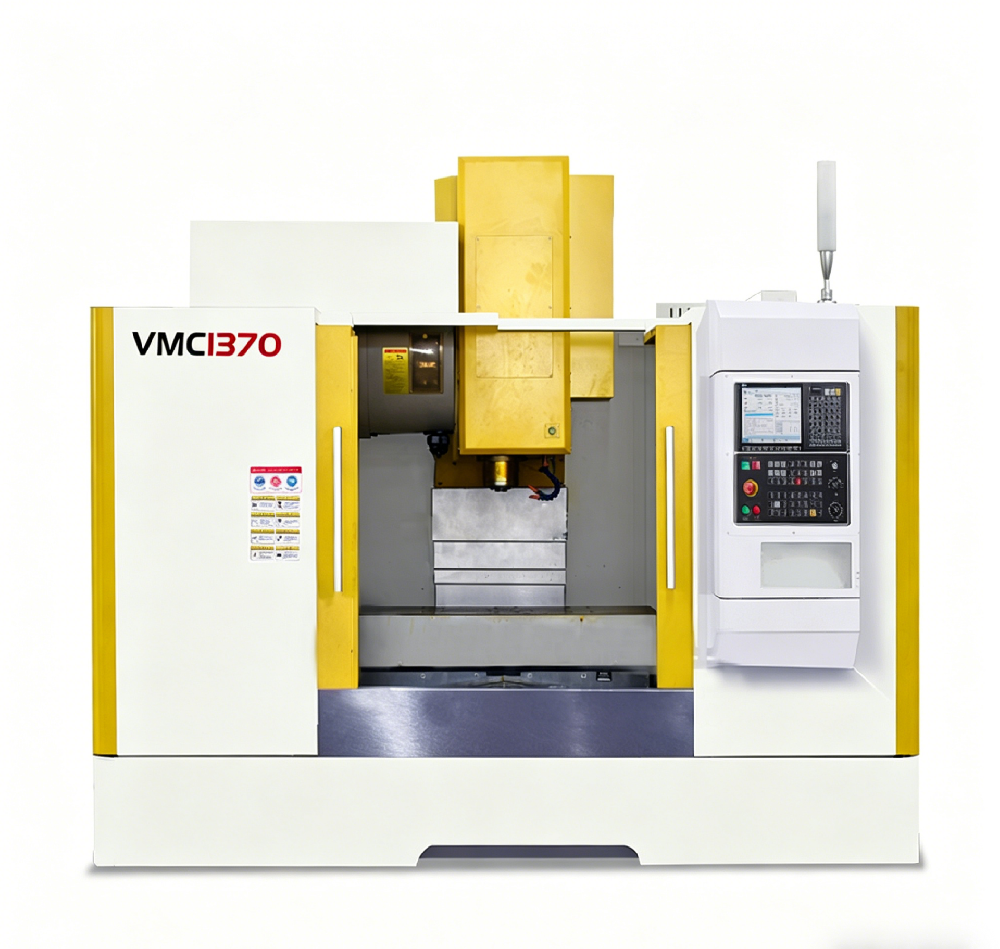
VMC1370 Vertical Machining Center
View Details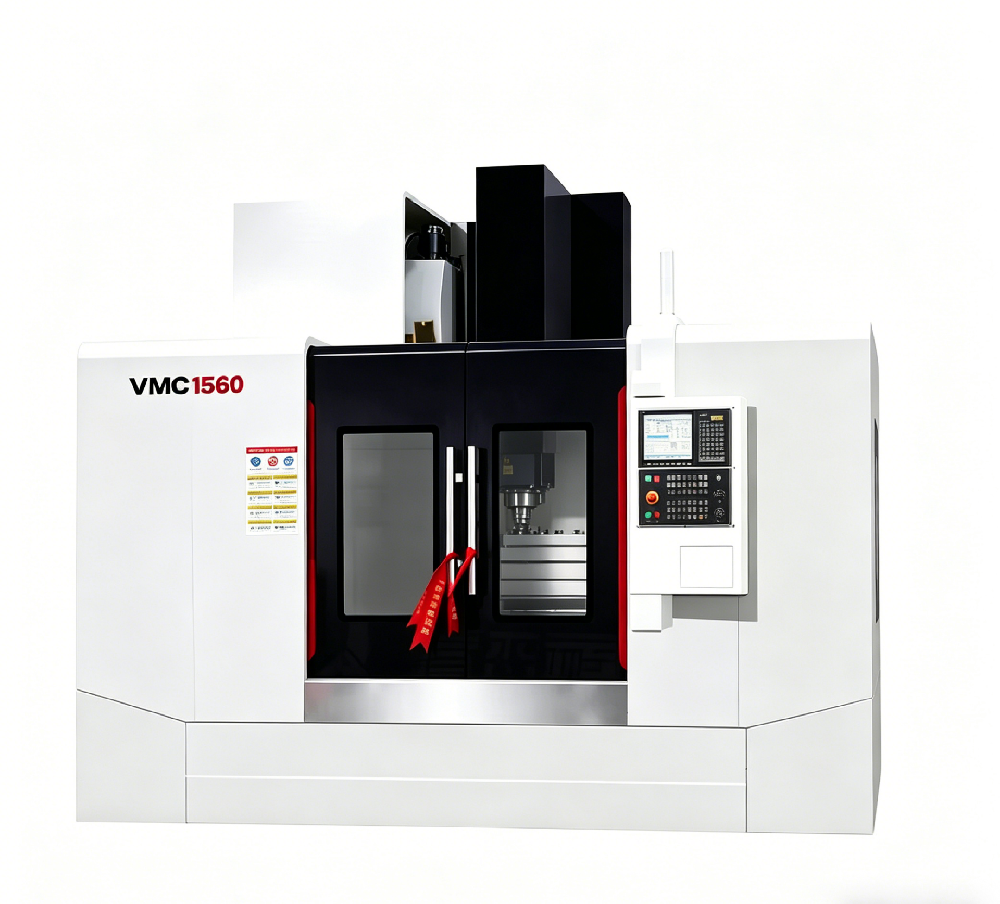
VMC1560 Vertical Machining Center
View Details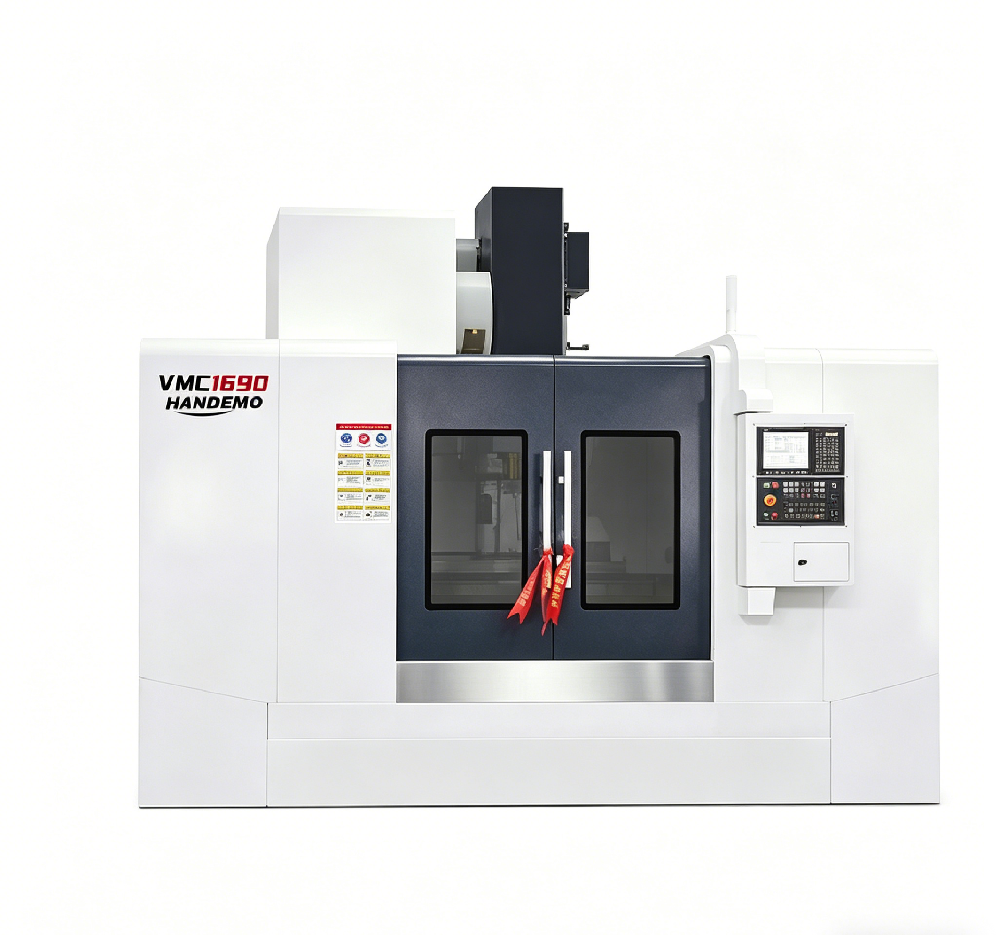
VMC1690 Vertical Machining Center
View Details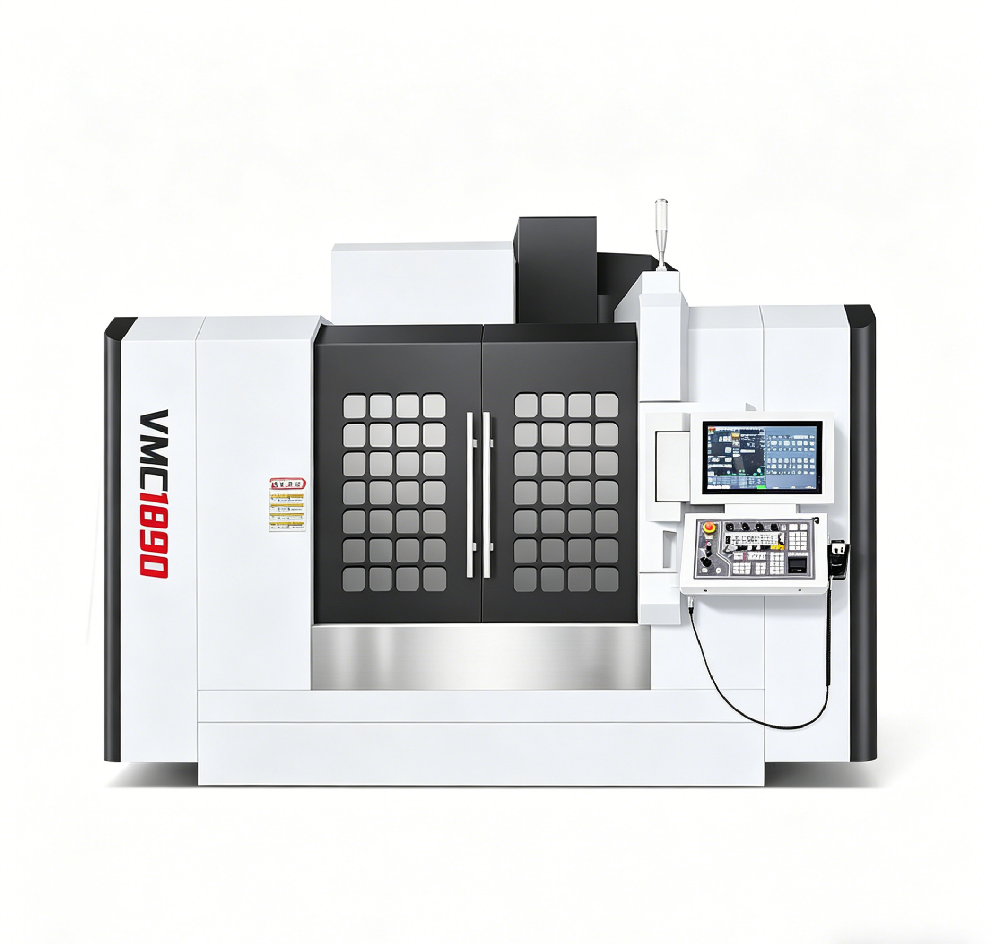
VMC1890 Vertical Machining Center
View Details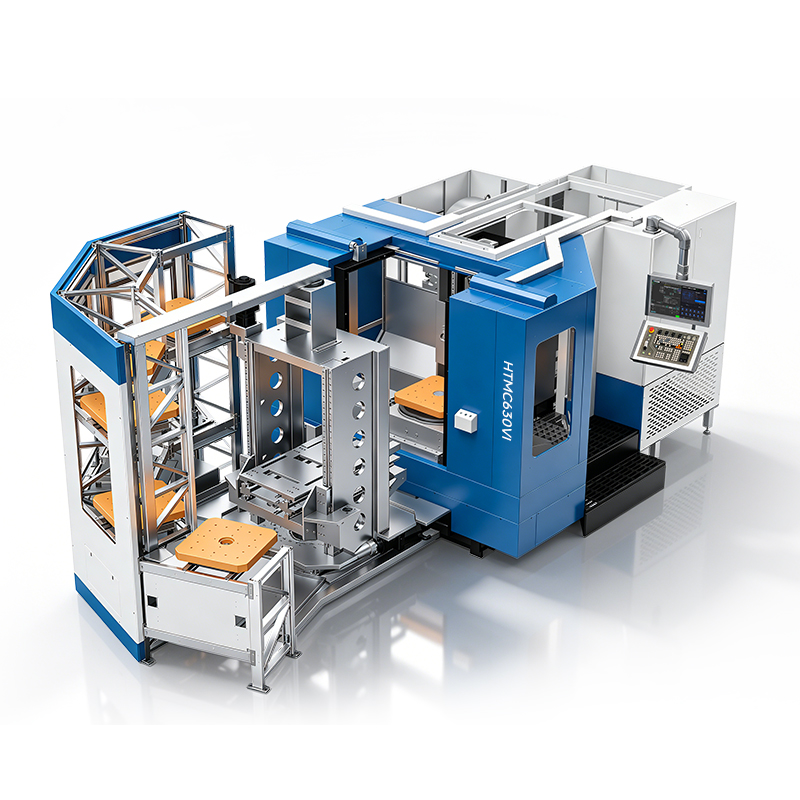
HTMC630-VI Horizontal Machining Centers
View Details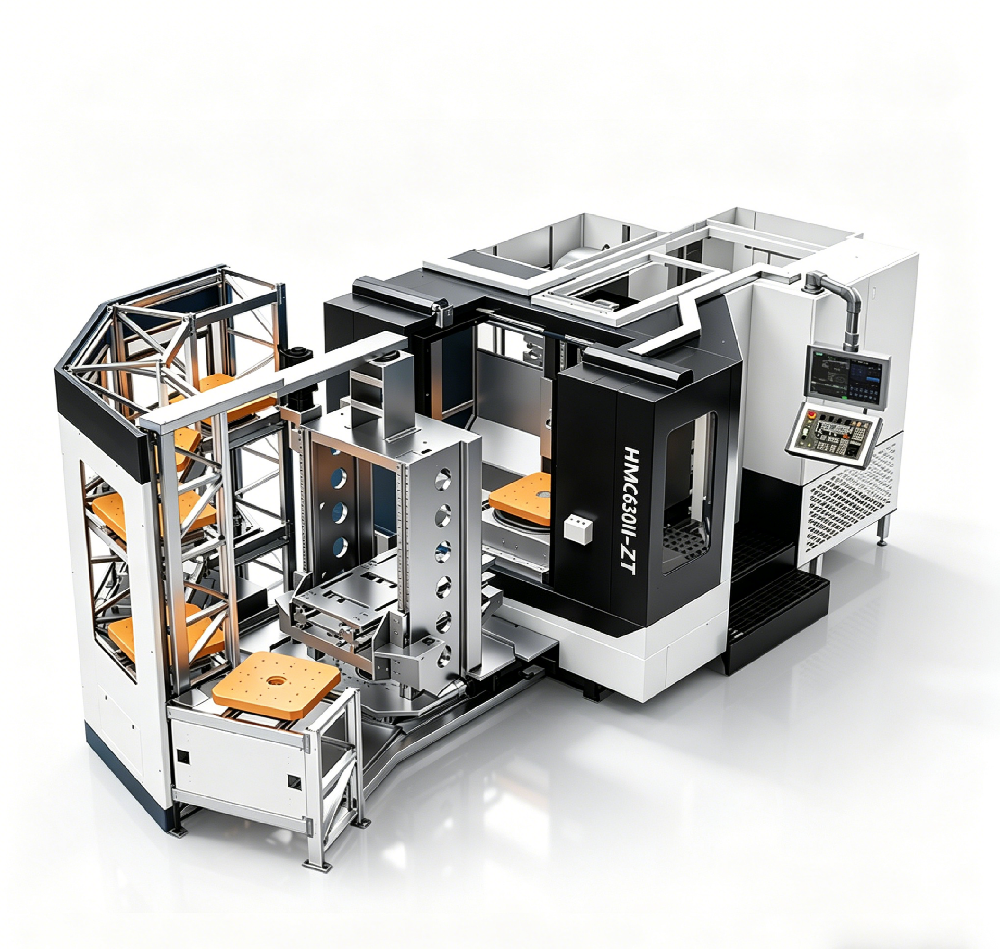
HMC630II-ZT Horizontal Machining Center
View Details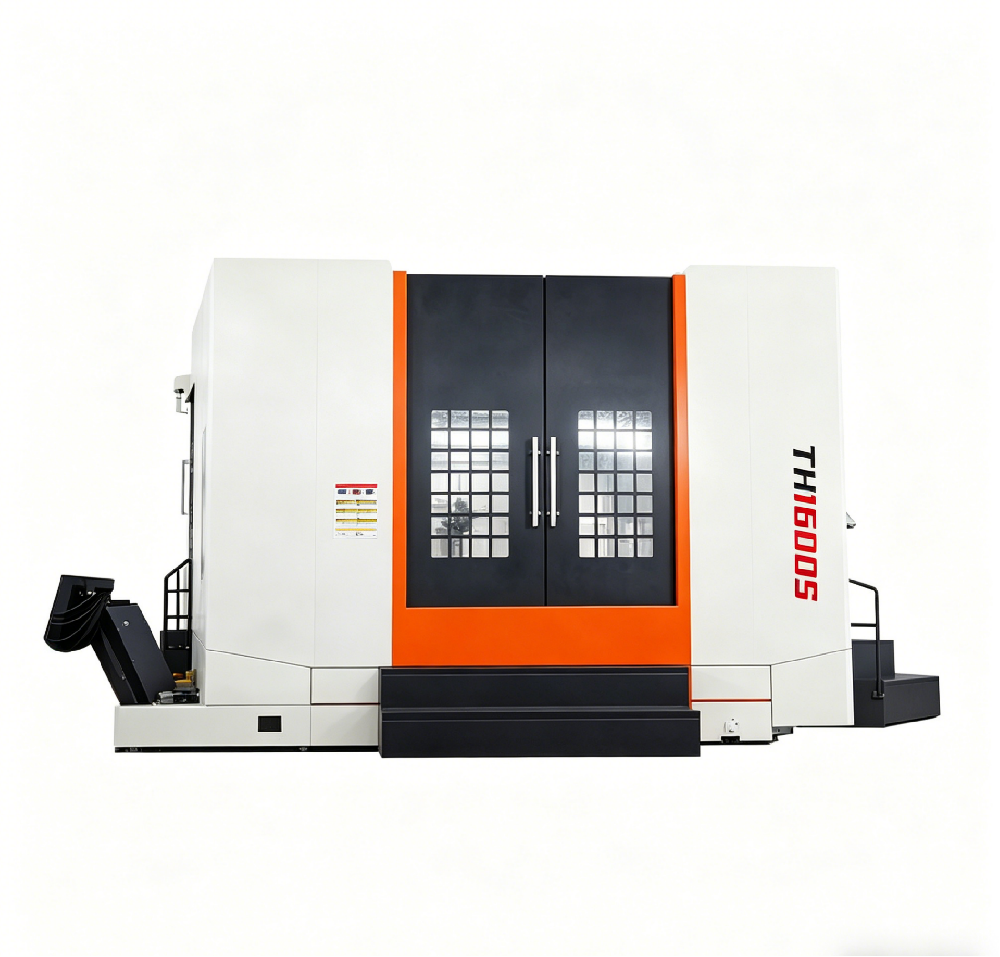
TH1600S Horizontal Machining Centers
View Details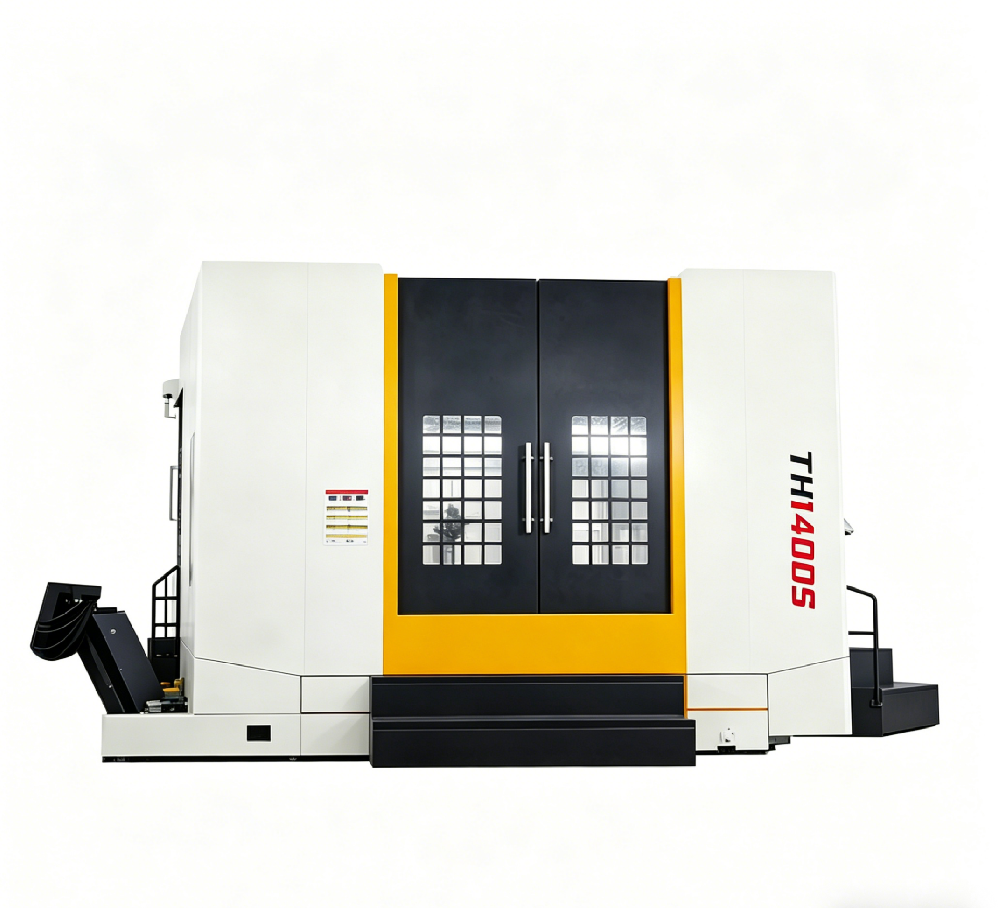
TH1400S Horizontal Machining Centers
View Details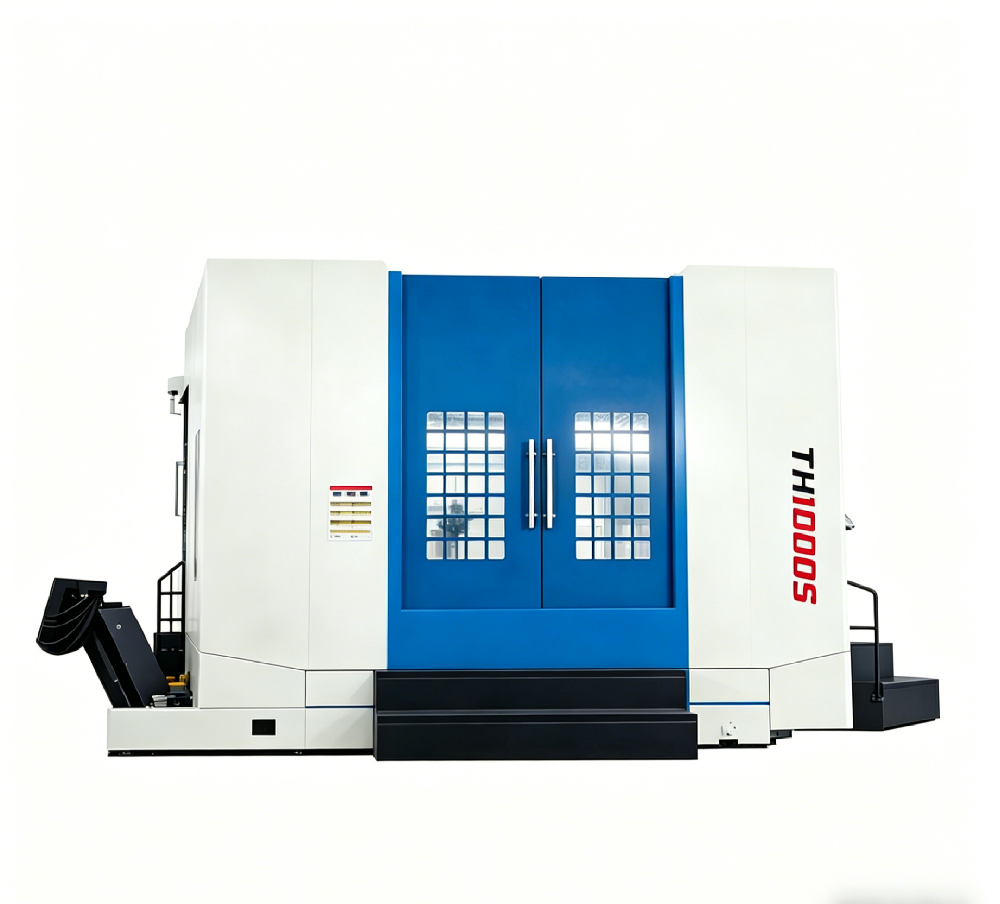
TH1000S Horizontal Machining Centers
View Details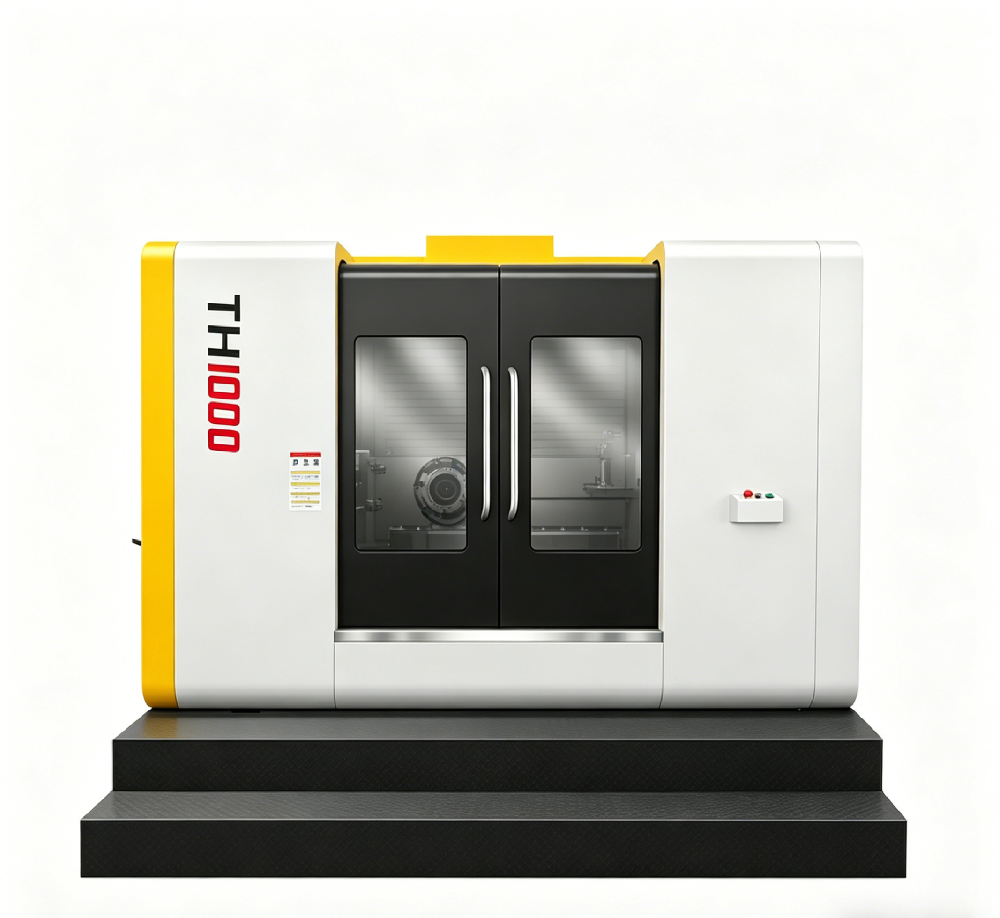
TH1000 Horizontal Machining Center
View Details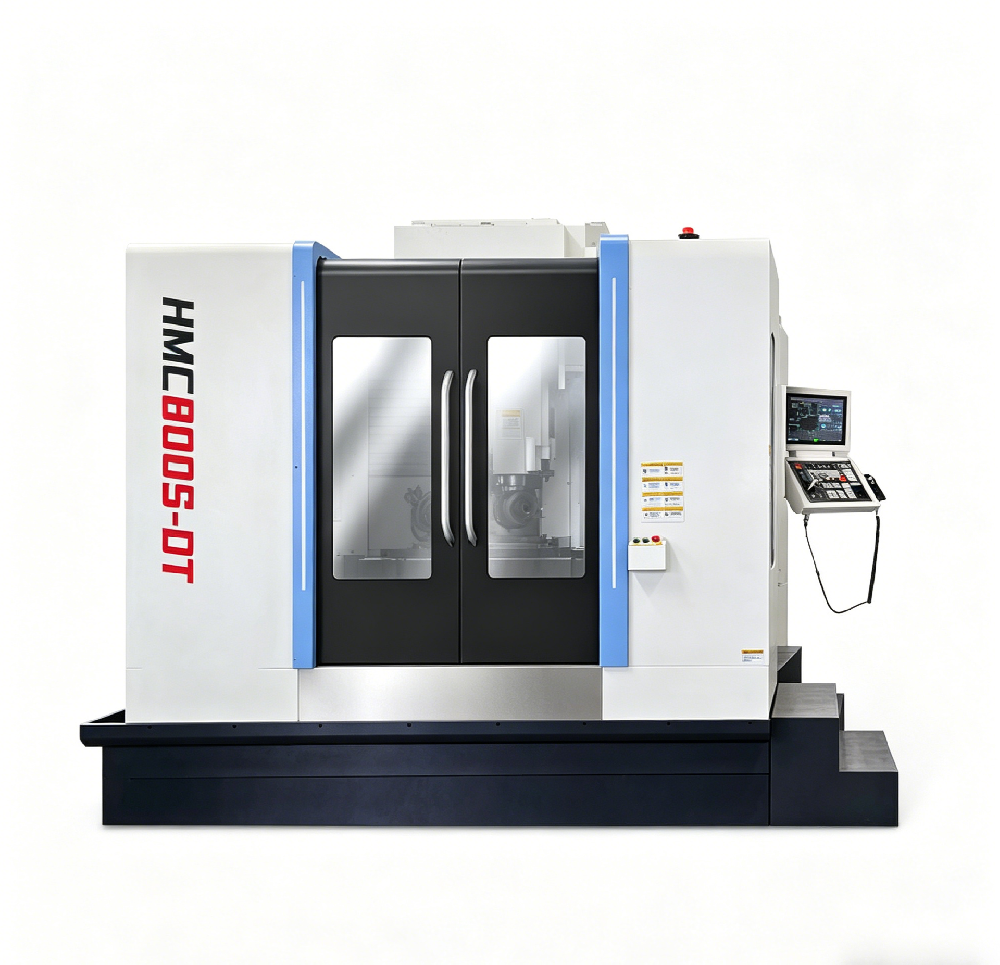
HMC800S-DT Horizontal Machining Center
View Details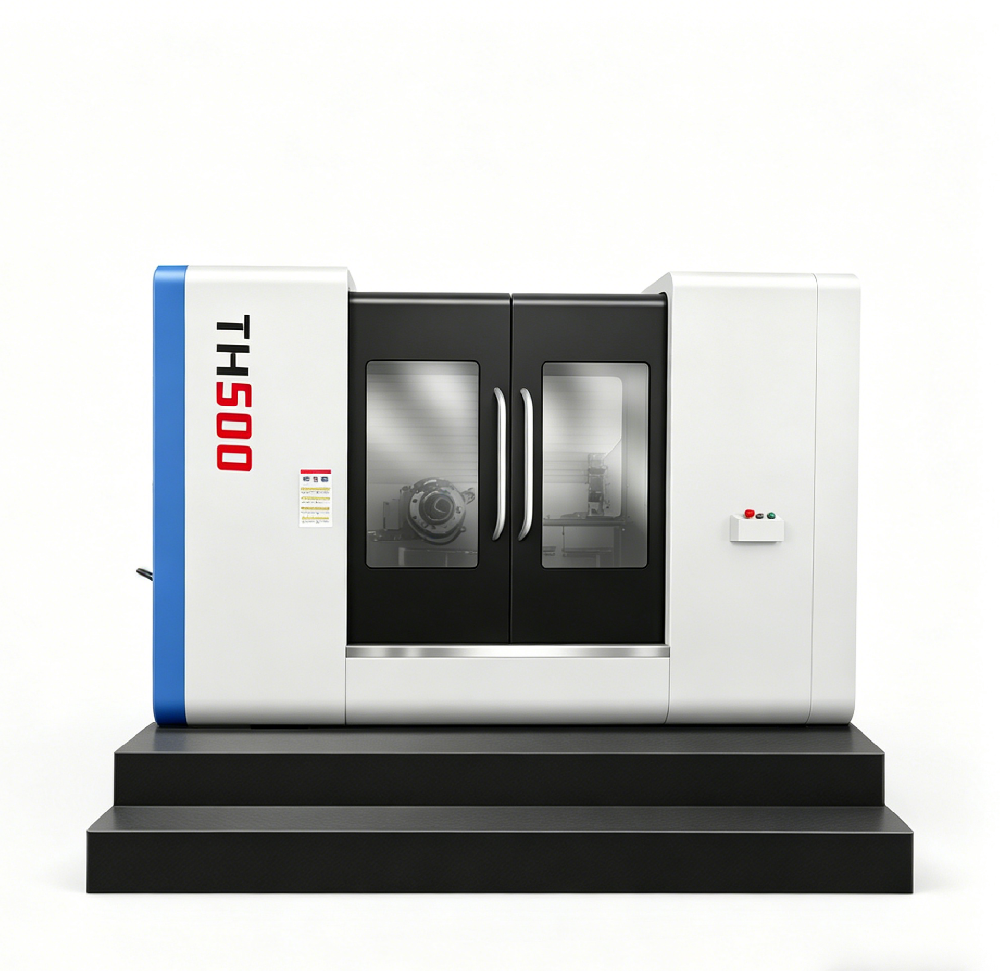
TH500 Horizontal Machining Center
View Details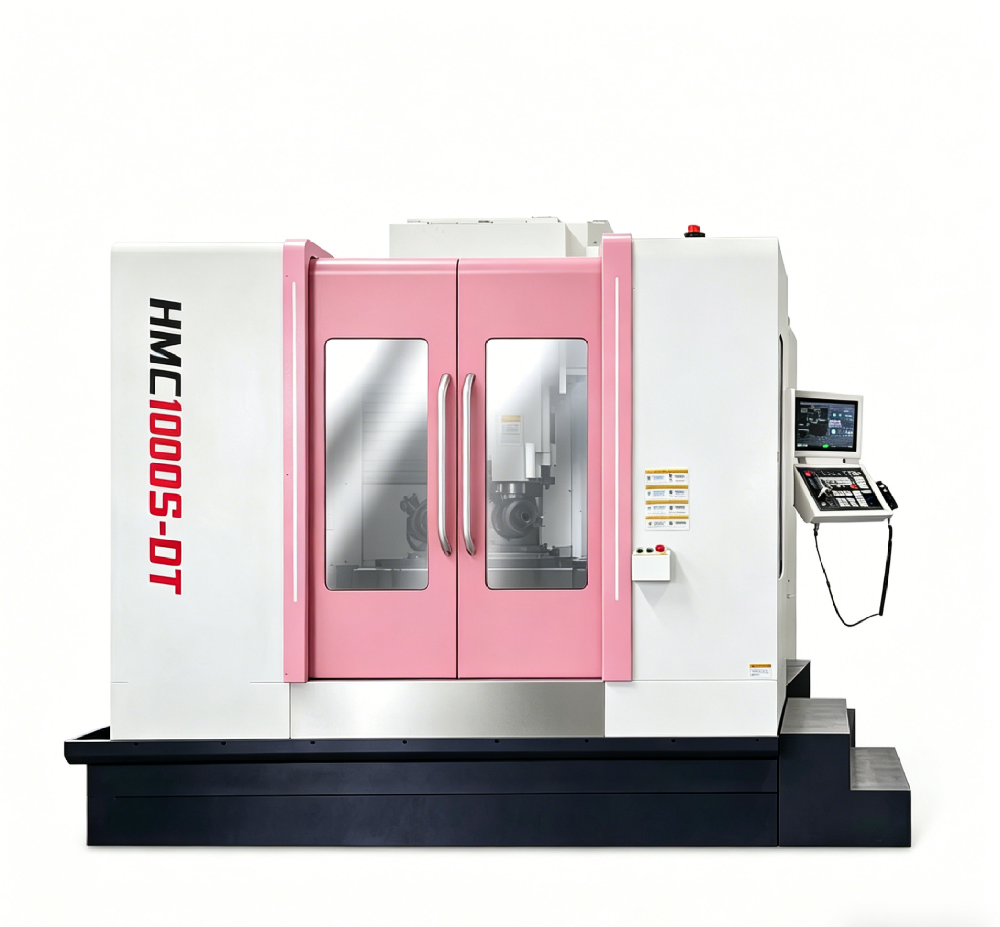
HMC1000S-DT Horizontal Machining Center
View Details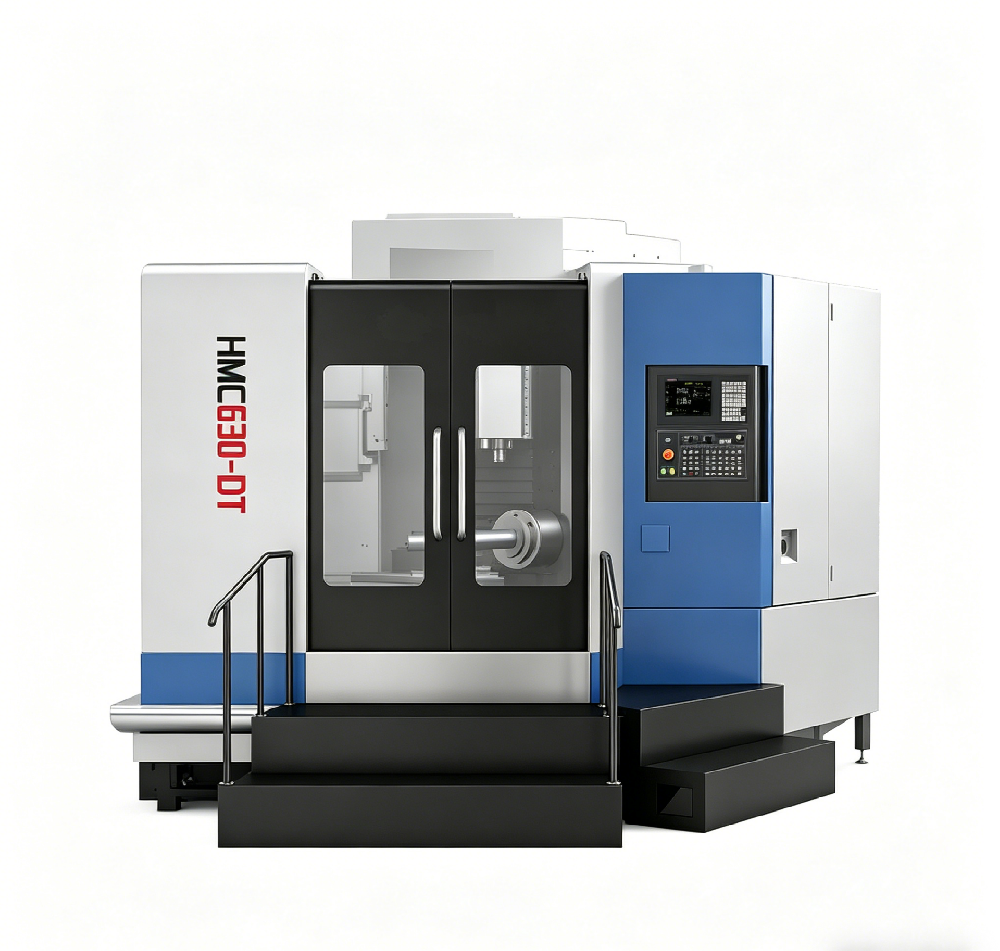
HMC630-DT Horizontal Machining Center
View Details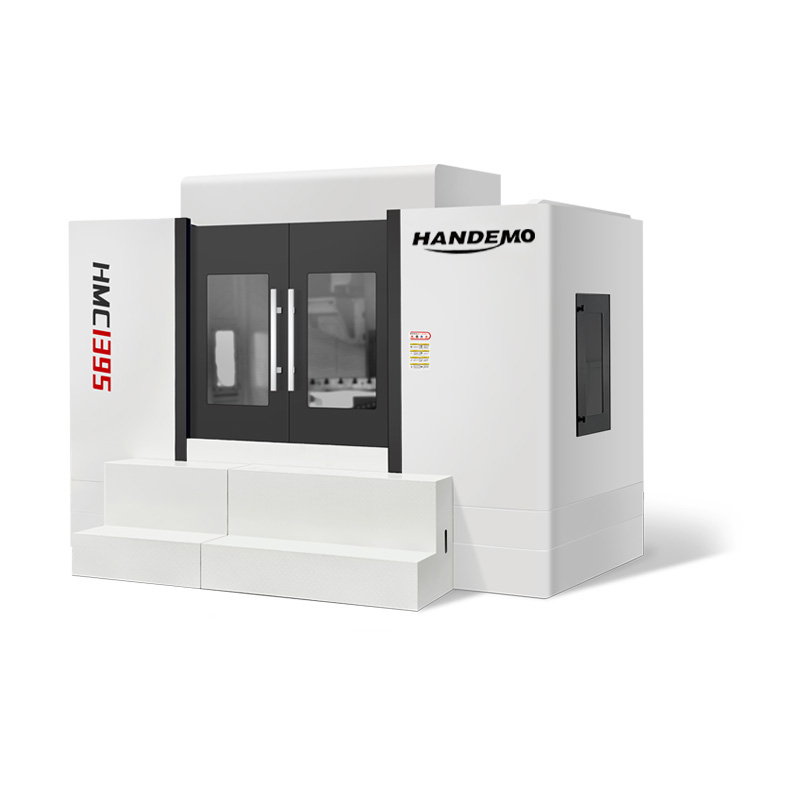
HMC1395 Horizontal Machining Center
View Details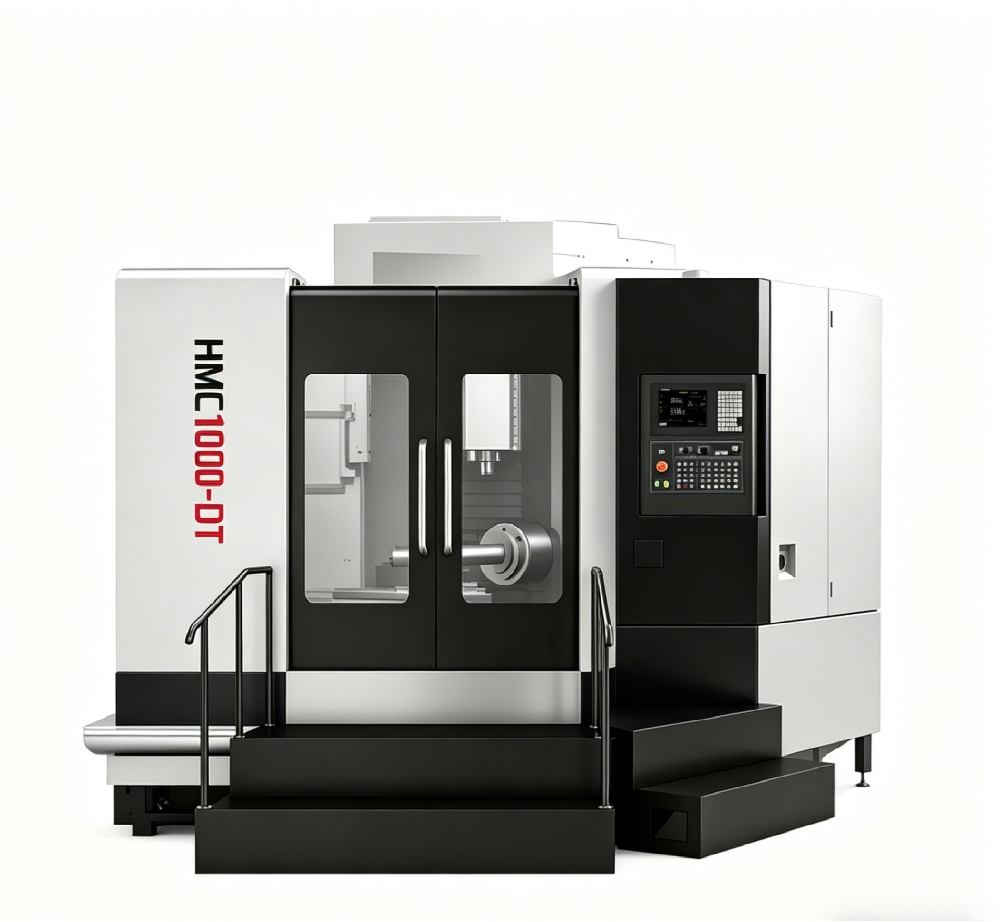
HMC1000 Horizontal Machining Center
View Details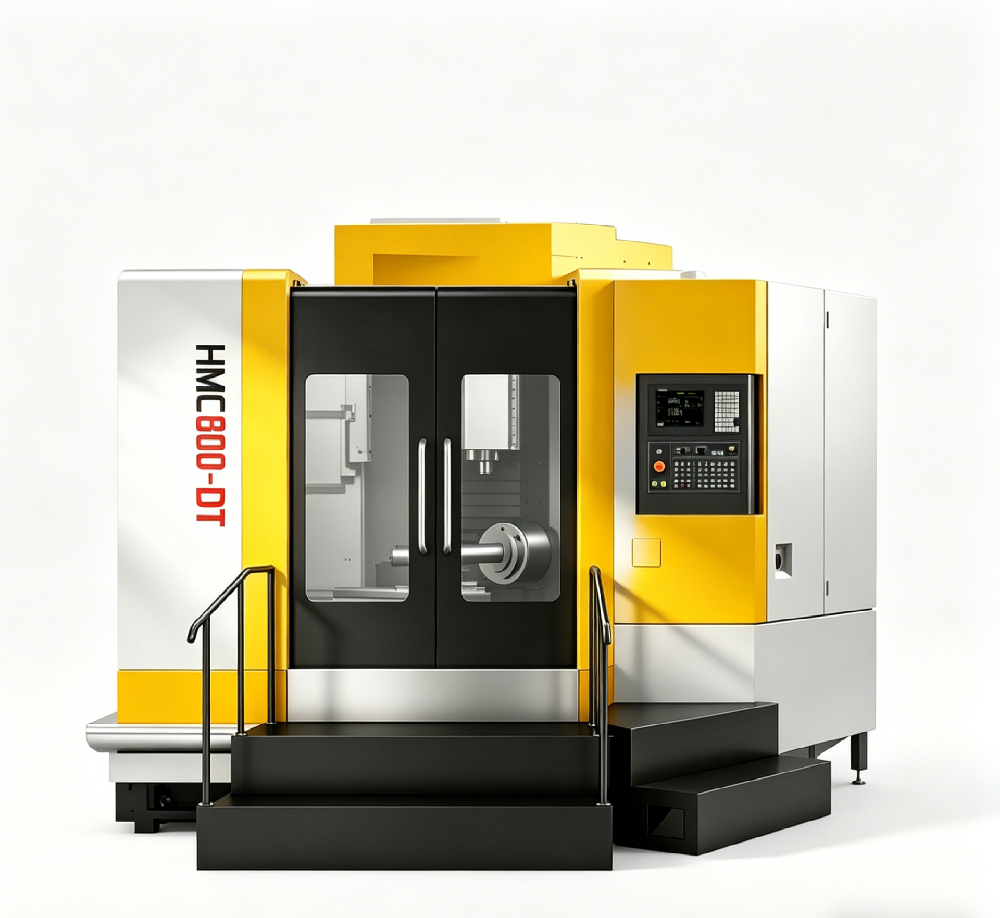
HMC800-DT Horizontal Machining Center
View Details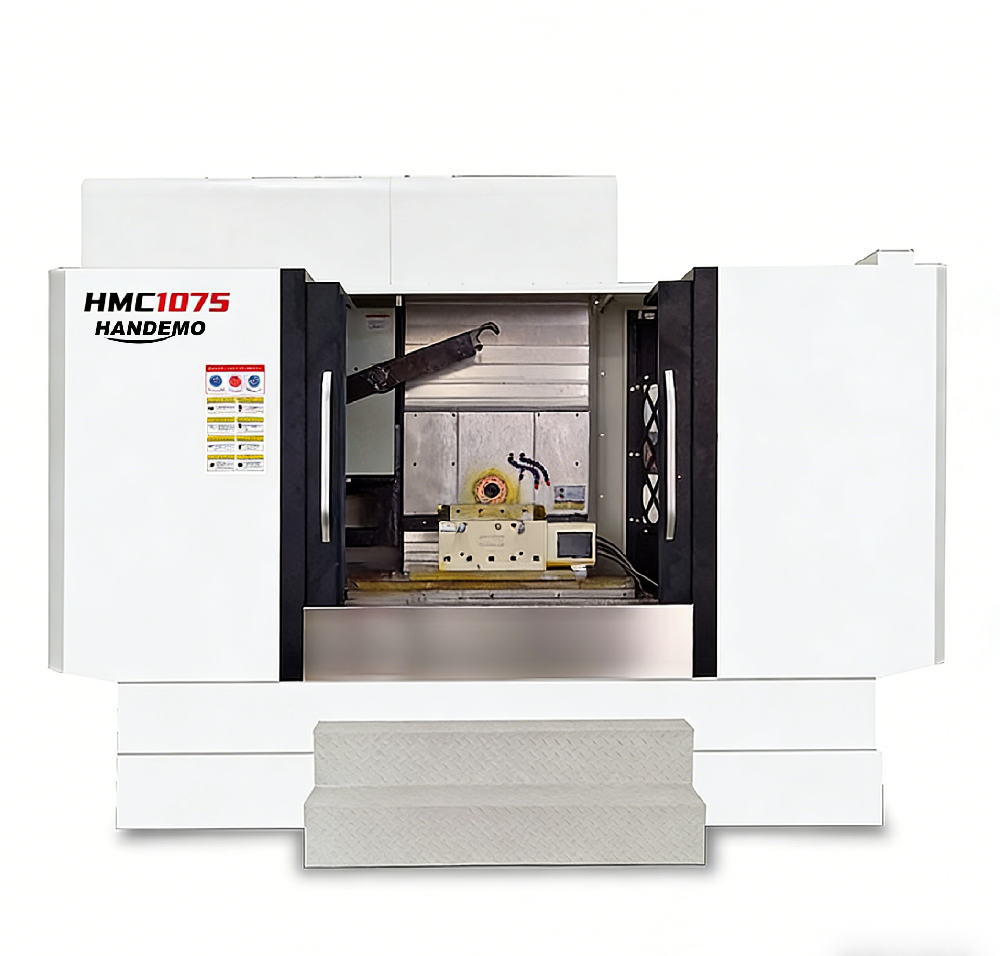
HMC1075 Horizontal Machining Center
View Details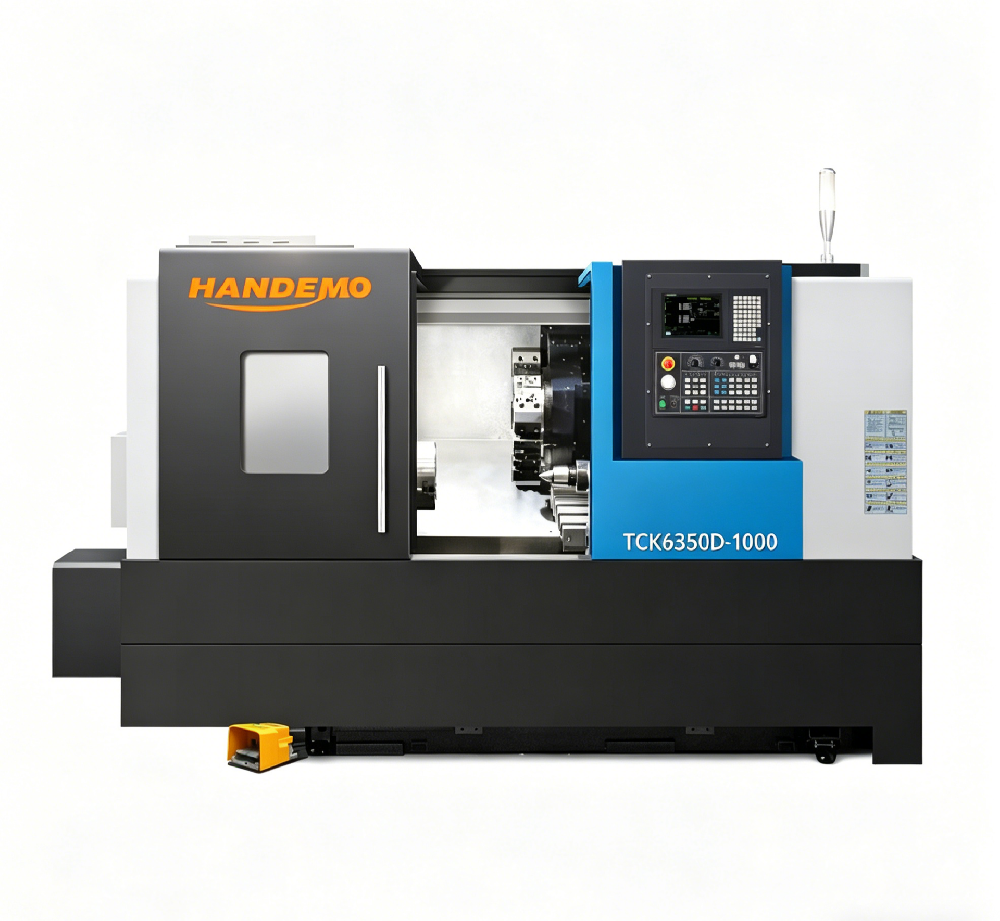
TCK6350D CNC Slant Bed Lathe
View Details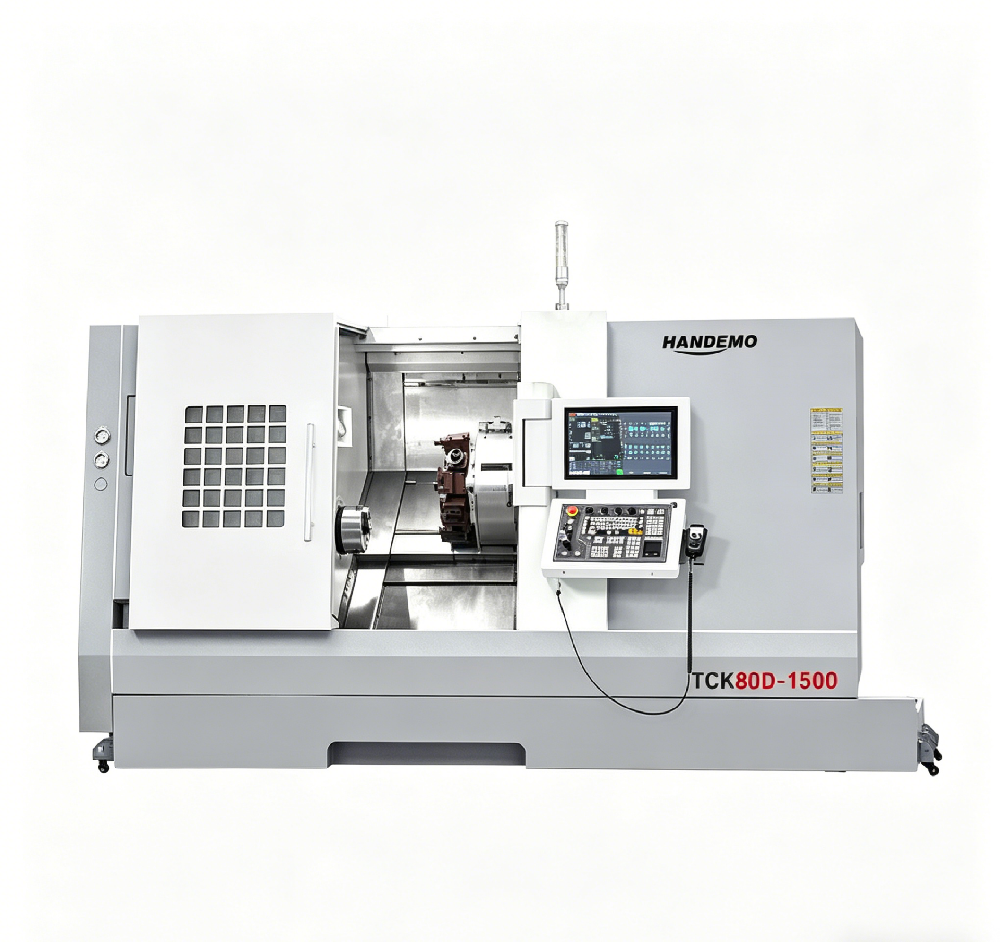
TCK80D-1500 CNC Slant Bed Lathe
View Details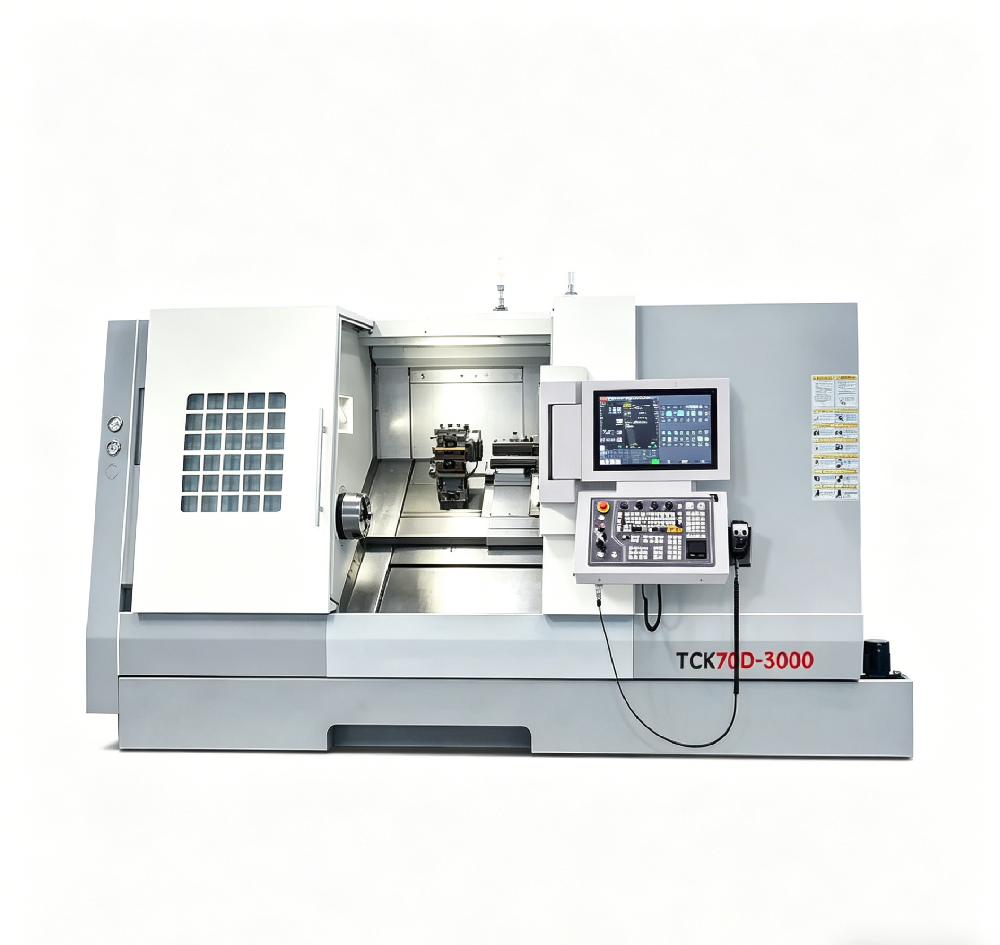
TCK70D CNC Slant Bed Lathe
View Details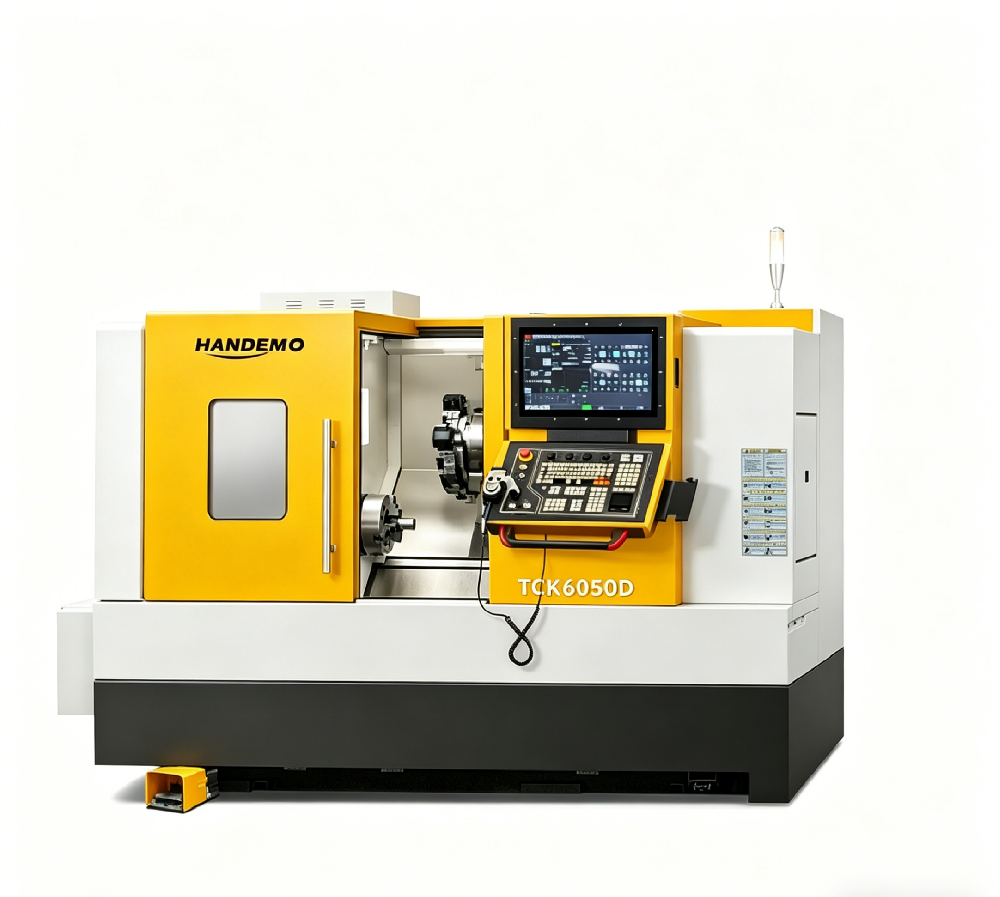
TCK6050D High-End Precision Model
View Details
Lathe and Grinding Combination Machine
View Details
TCK600D CNC Slant Bed Lathe
View Details
TCK56D-500 CNC Slant Bed Lathe
View Details
TCK56A CNC Slant Bed Lathe
View Details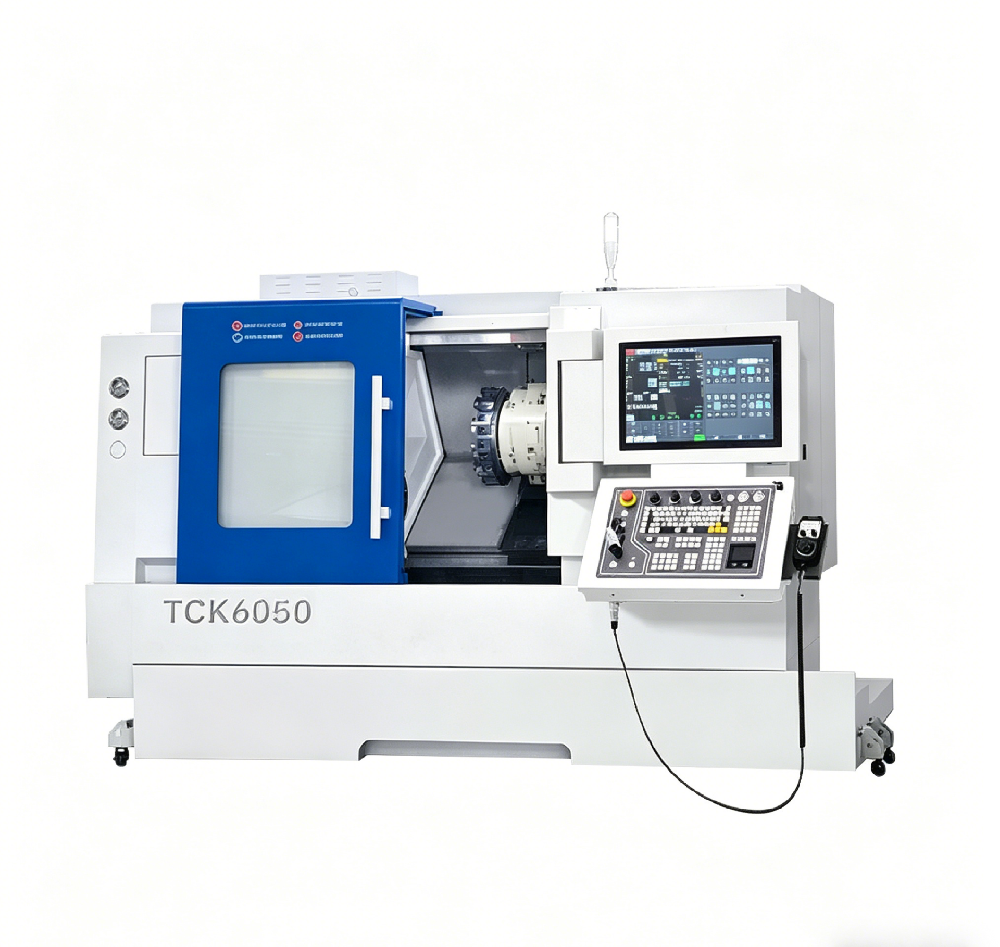
TCK6050 CNC Slant Bed Lathe
View Details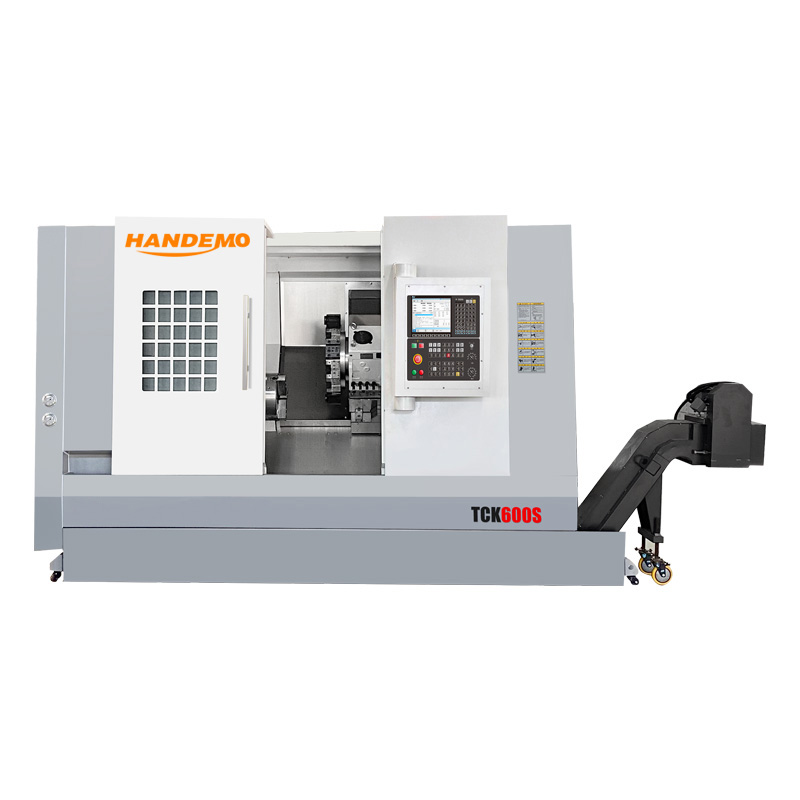
TCK600S CNC Slant Bed Lathe
View Details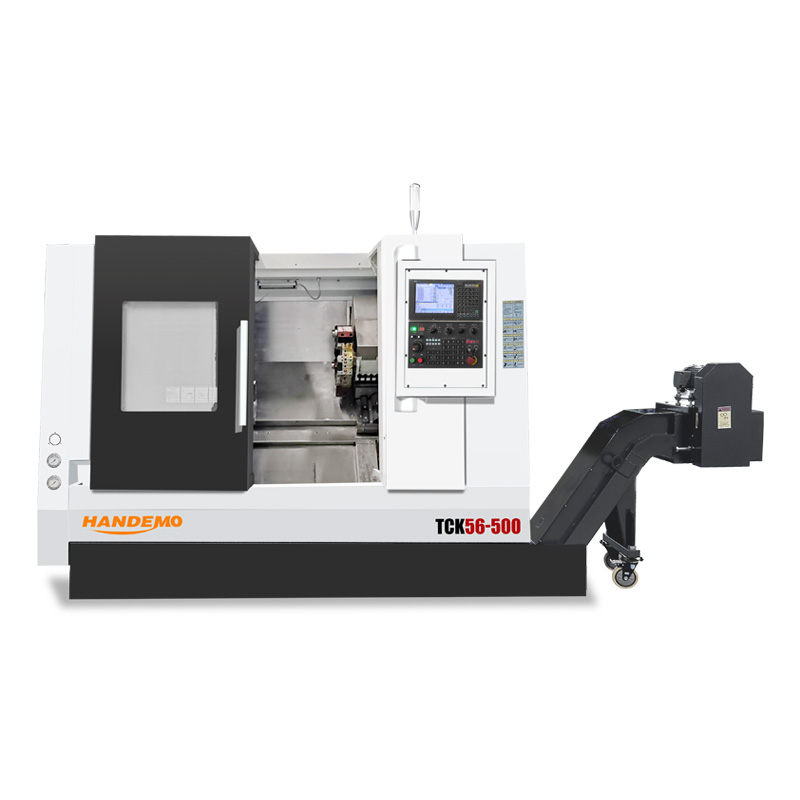
TCK56 CNC Slant Bed Lathe
View Details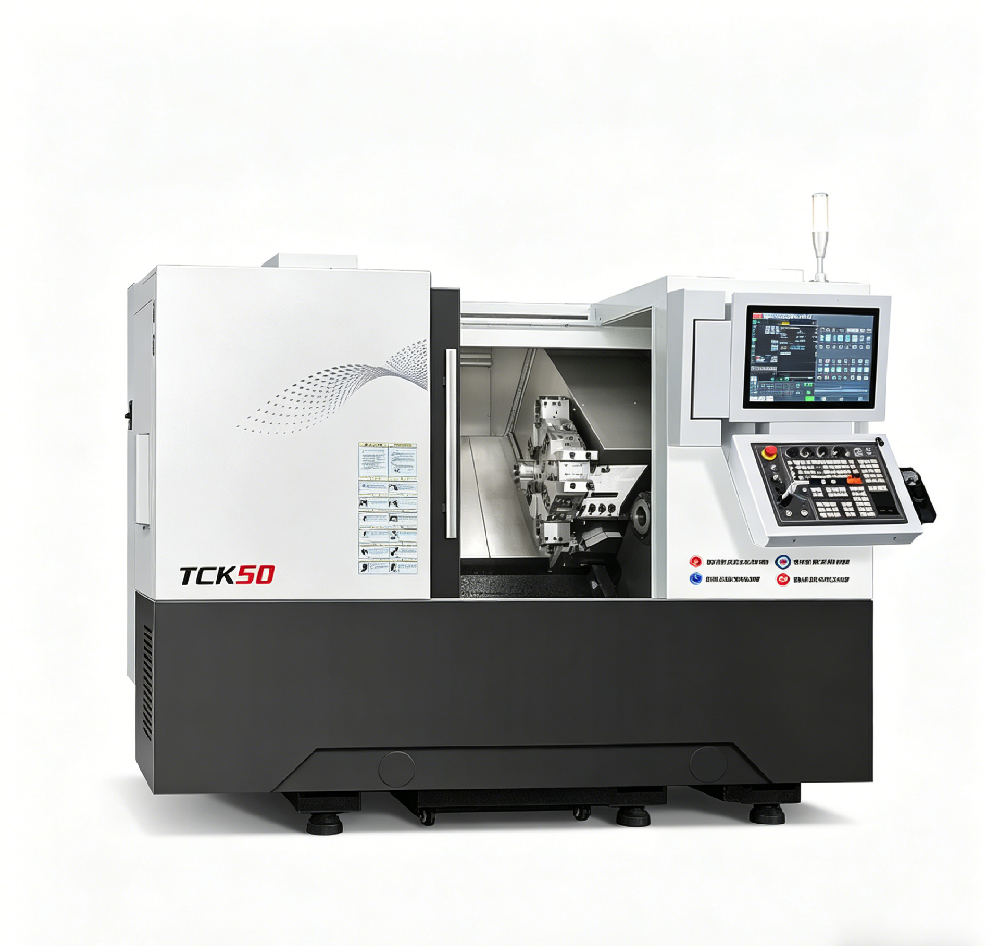
TCK50 CNC Slant Bed Lathe
View Details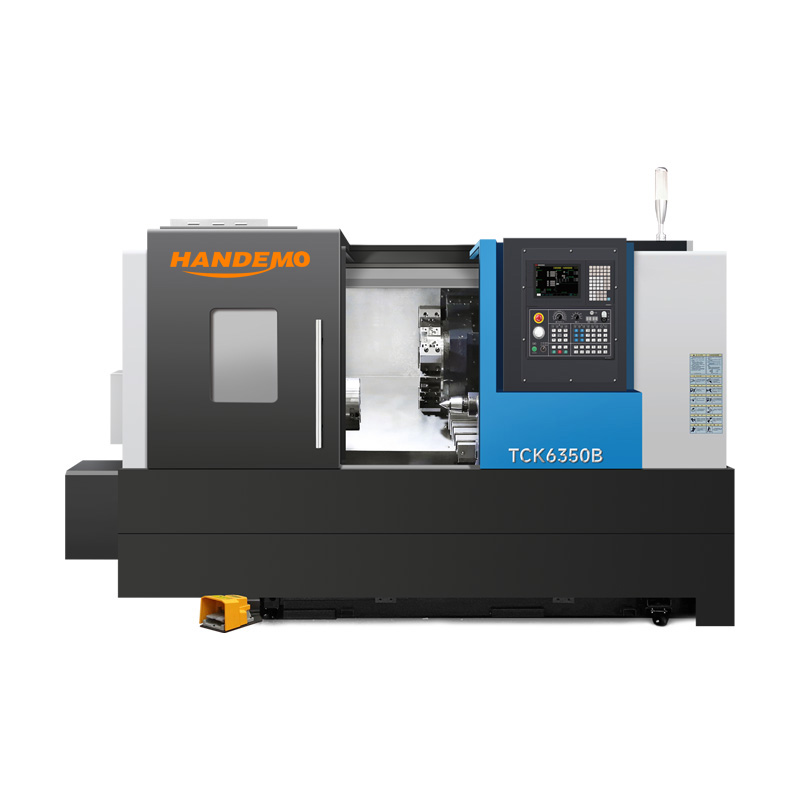
TCK6350B Heavy-Duty Industrial Model
View Details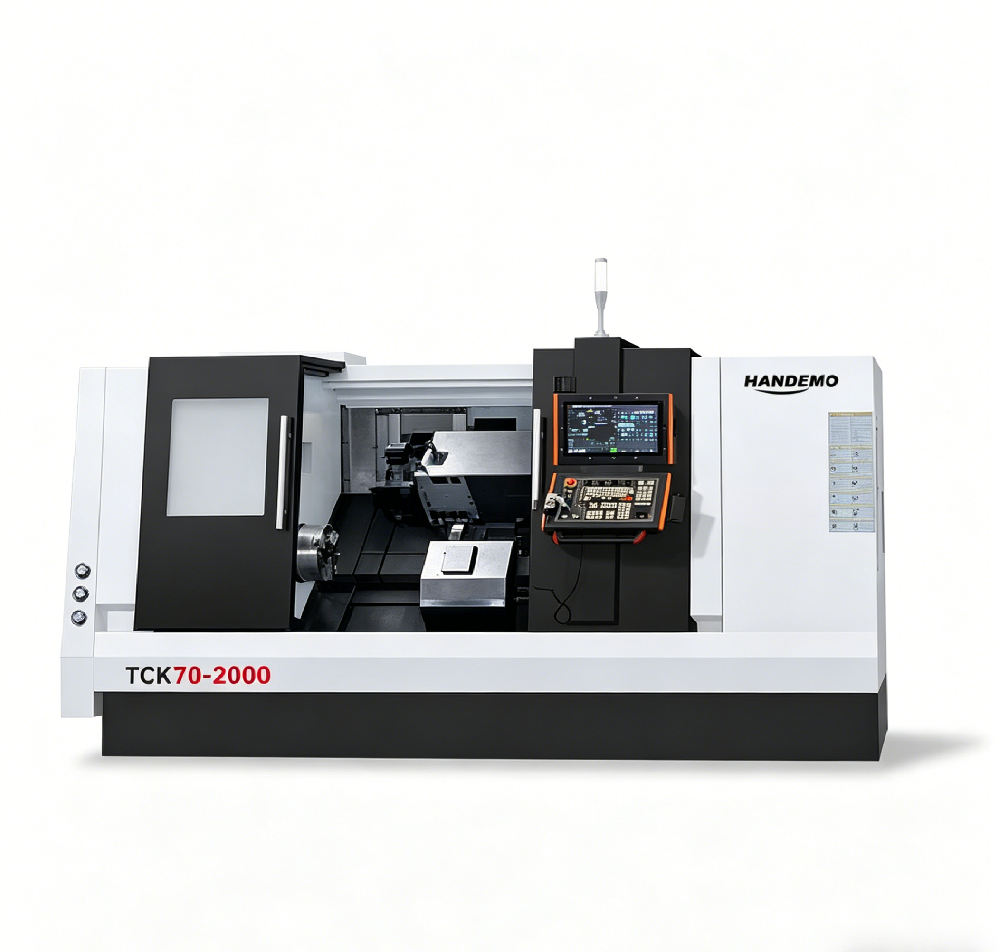
TCK70 General-Purpose High-Efficiency Model
View Details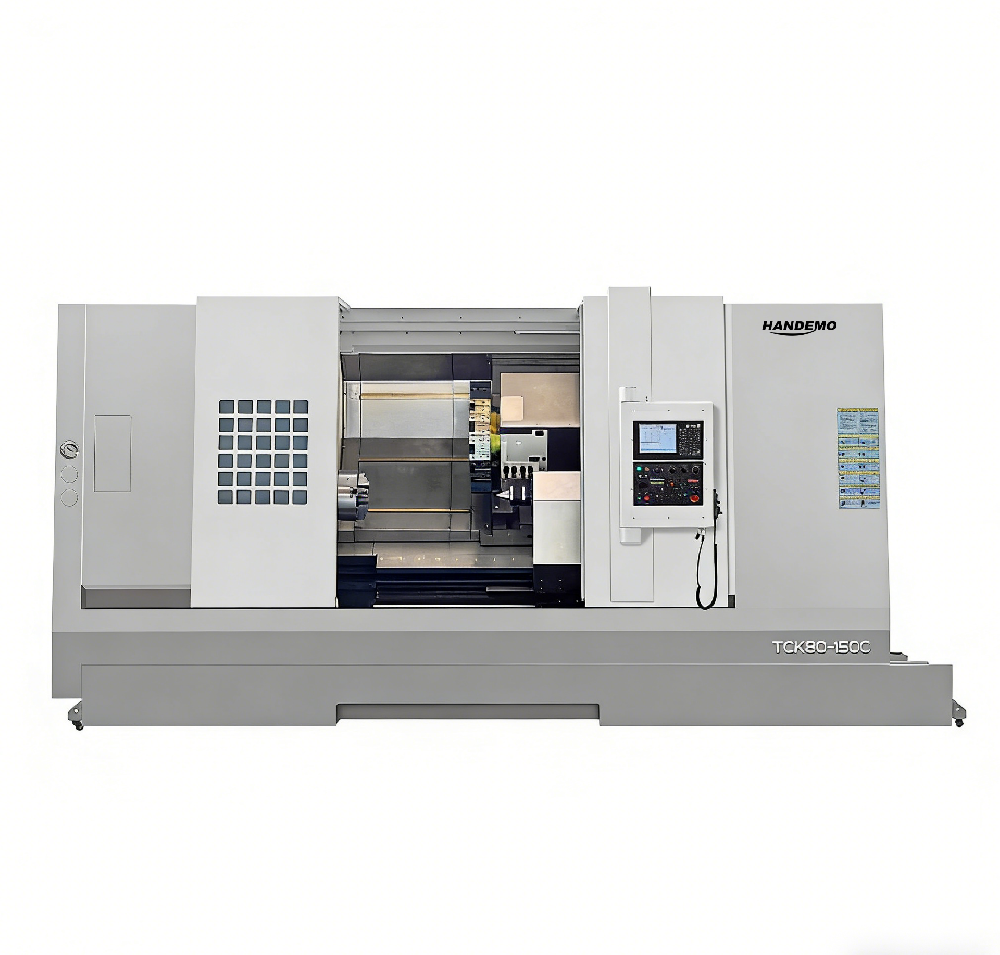
TCK80B-1500 Heavy-Duty Industrial Model
View Details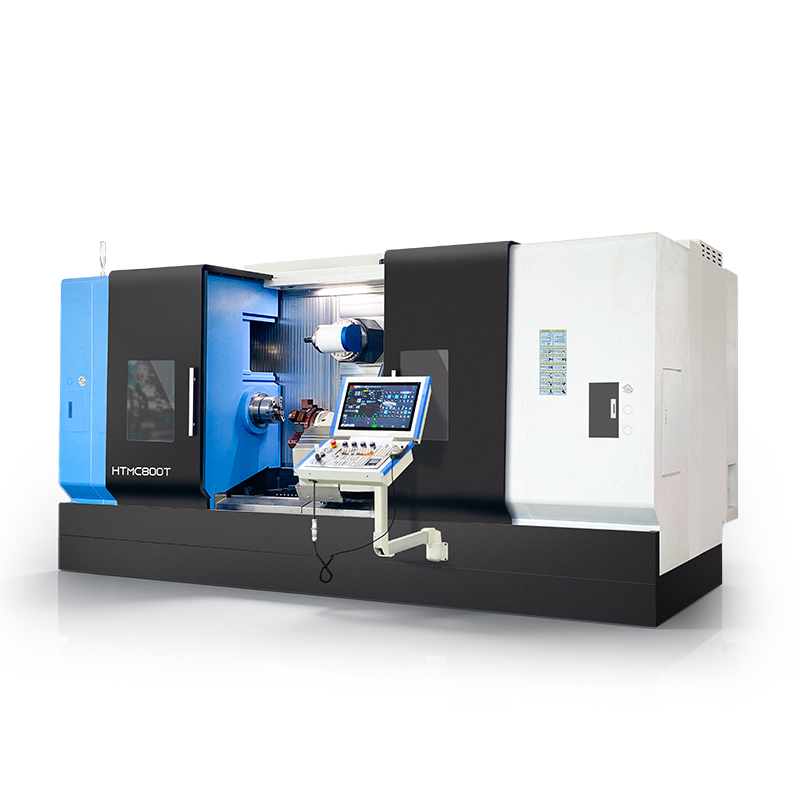
HTMC800T Mill-Turn Machines
View Details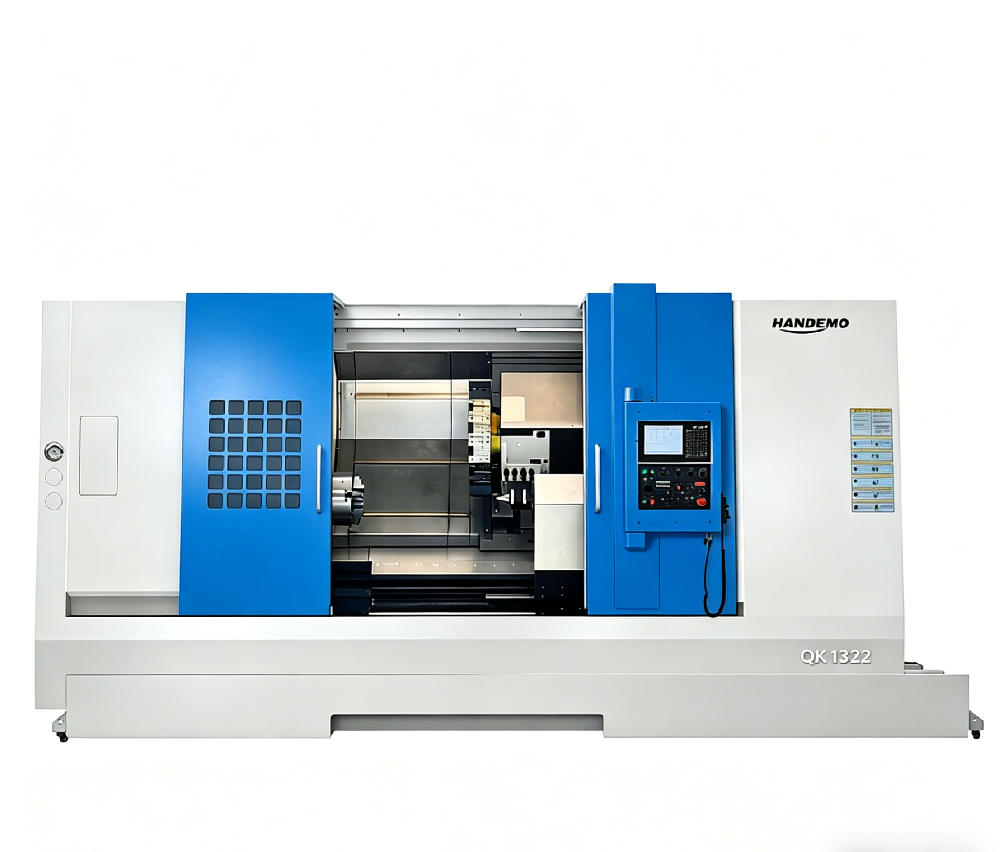
QK1322 CNC Mill-Turn Machine
View Details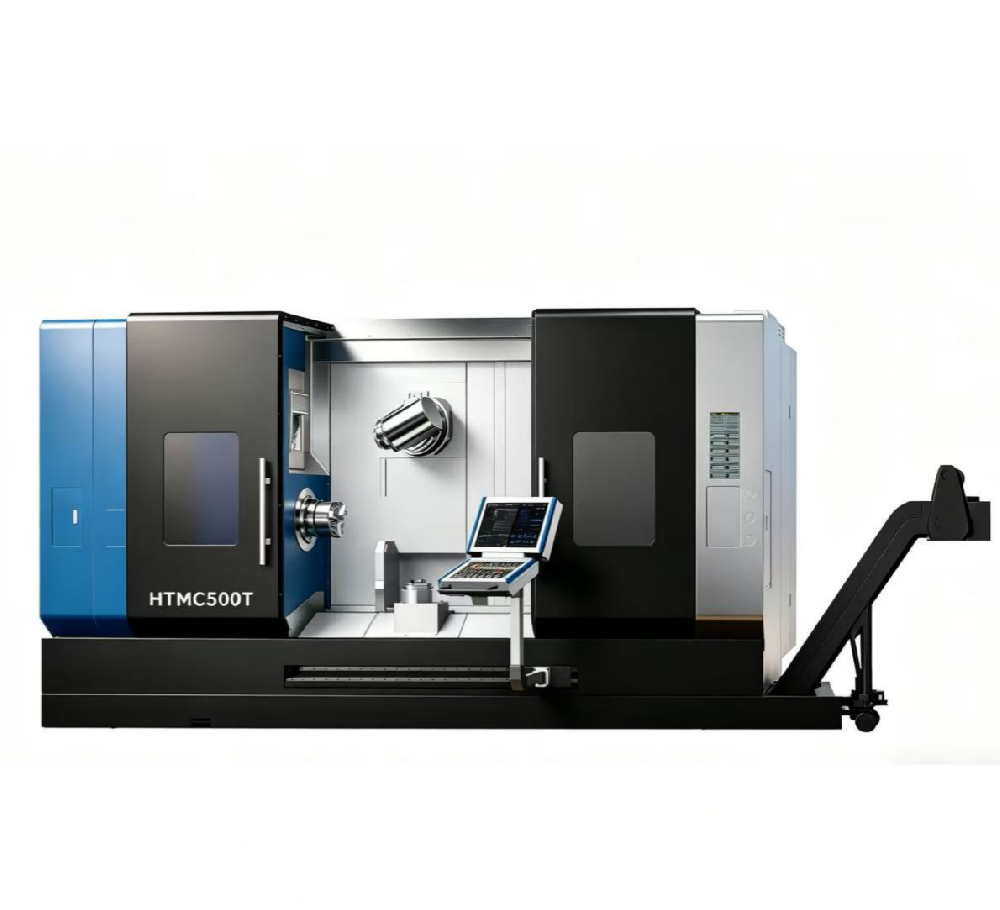
HTMC500T CNC Mill-Turn Machine
View Details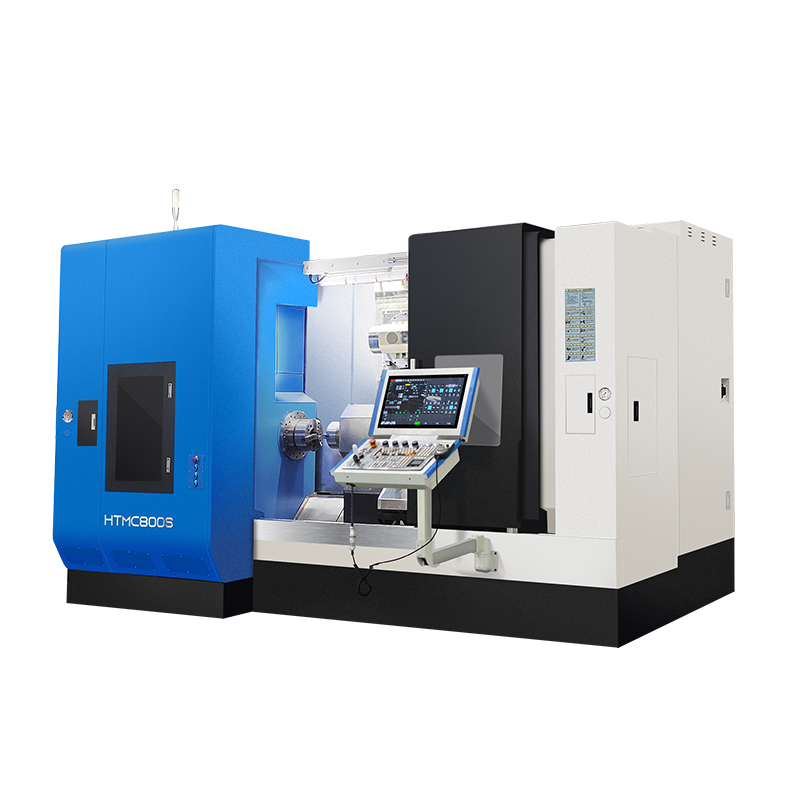
HTMC800S CNC Mill-Turn Machine
View Details
TCK2100SYY CNC Mill-Turn Machine
View Details
TCK80Y CNC Mill-Turn Machine
View Details
TCK600SD CNC Mill-Turn Machine
View Details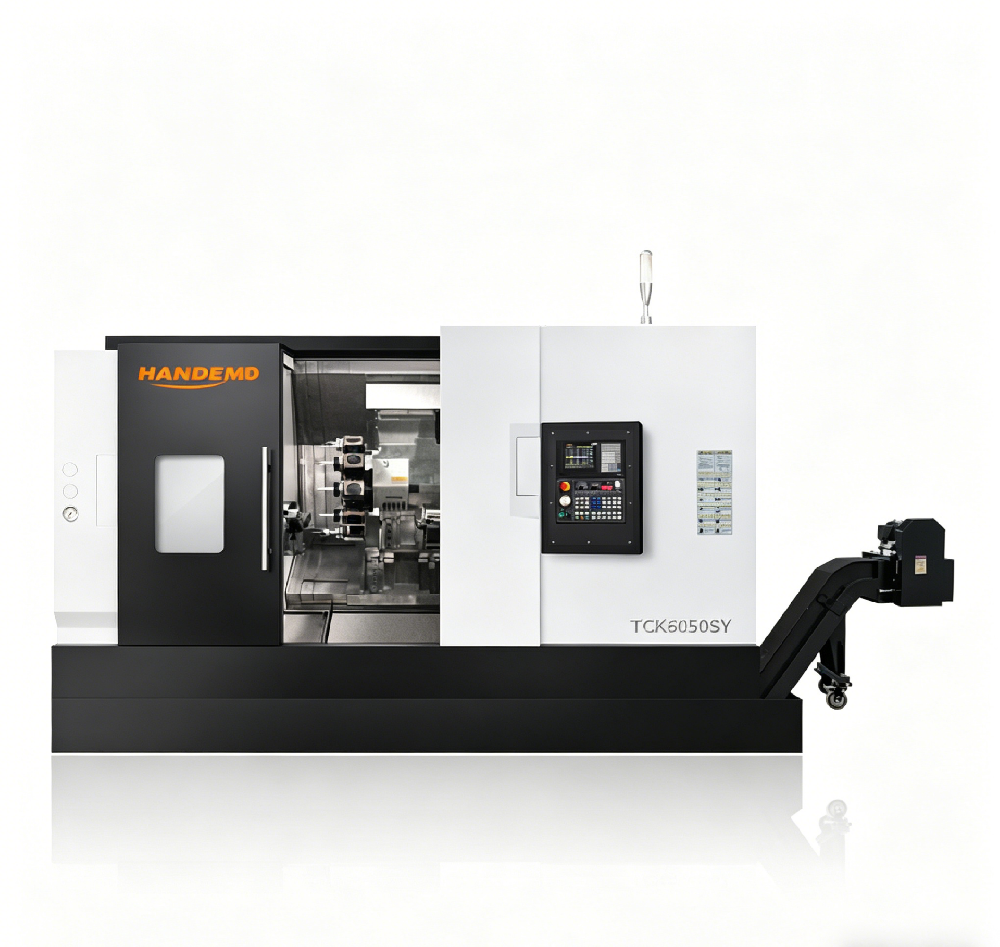
TCK6050SY CNC Mill-Turn Machine
View Details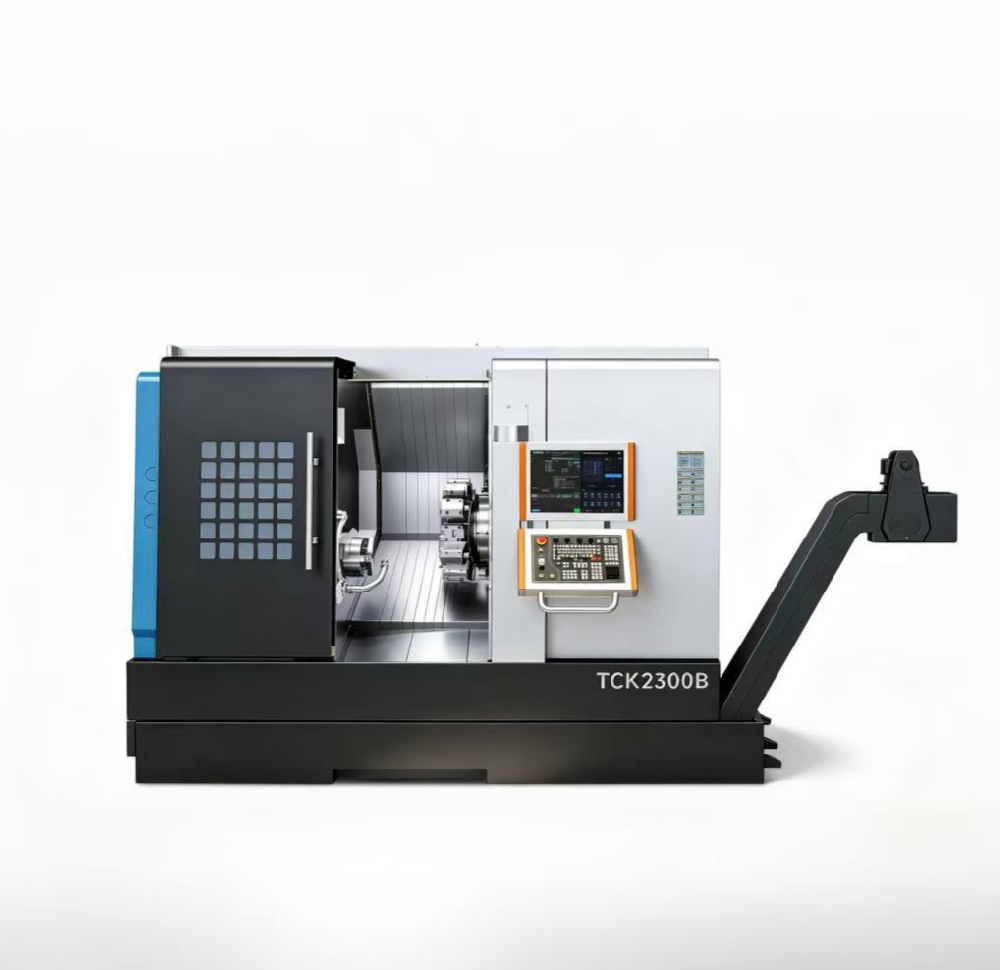
TCK2300B CNC Mill-Turn Machine
View Details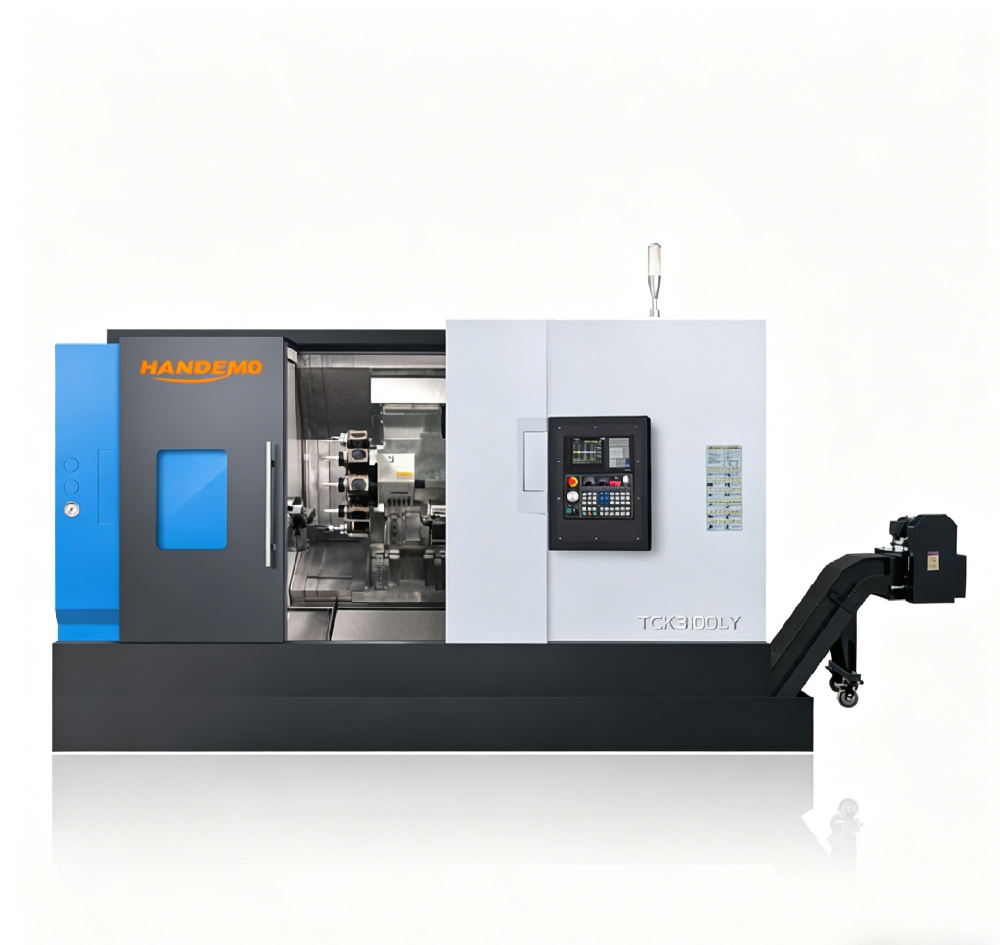
TCK3100LY CNC Mill-Turn Machine
View Details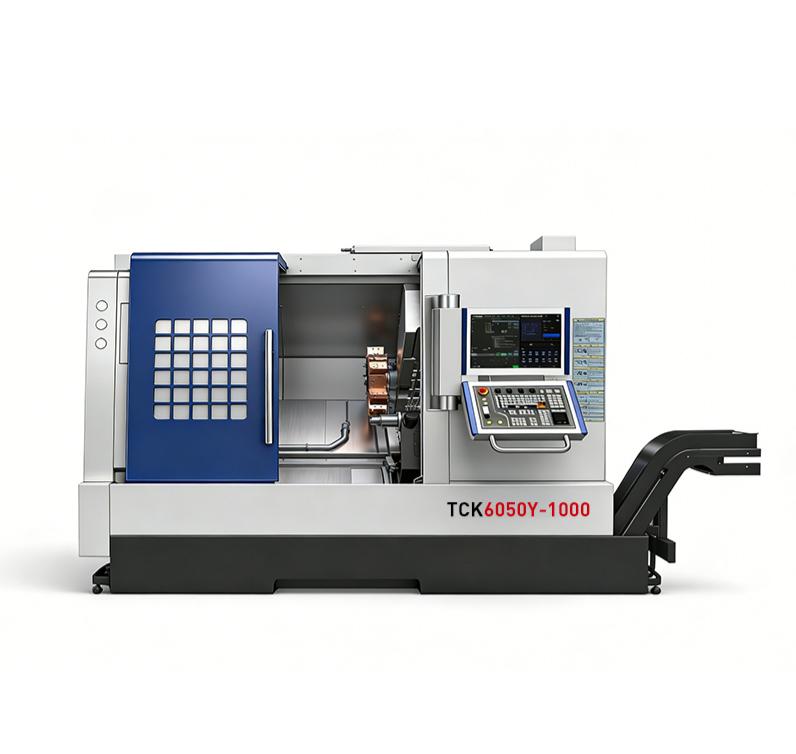
TCK6050Y CNC Mill-Turn Machine
View Details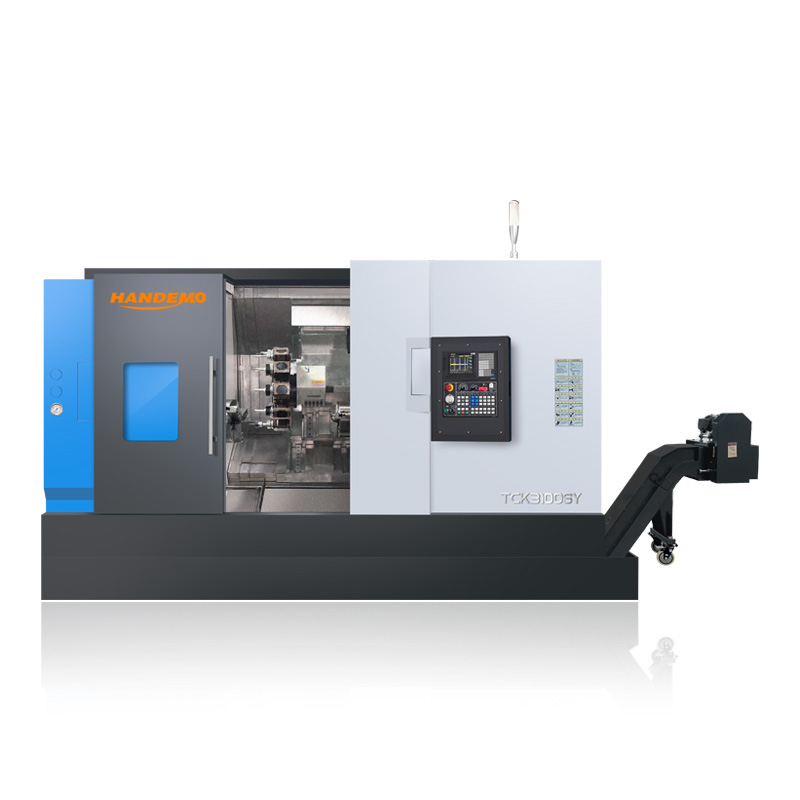
3100SY CNC Mill-Turn Machine
View Details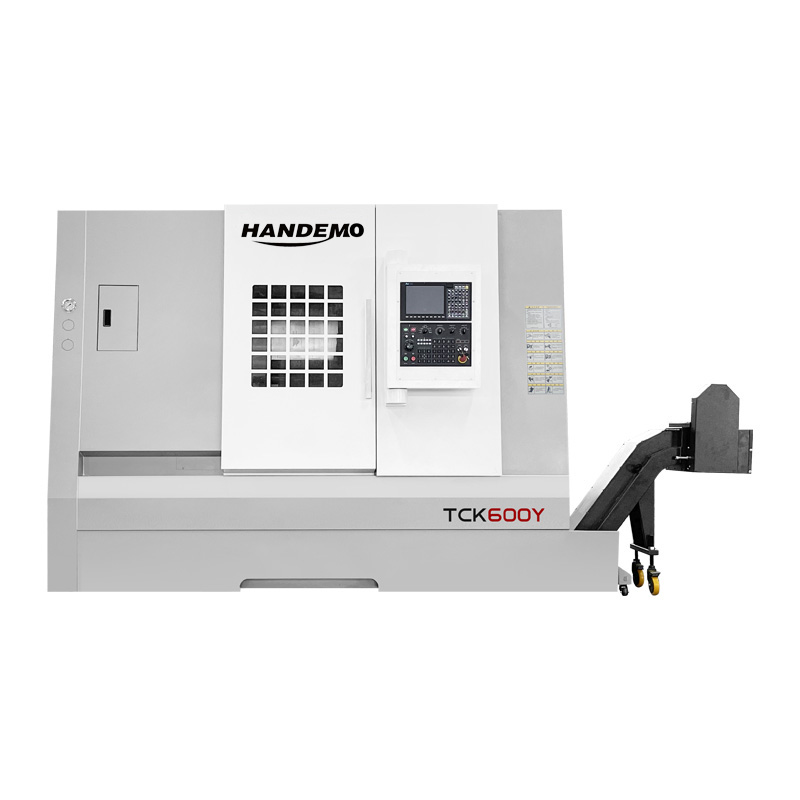
TCK600Y / TCK600SY CNC Mill-Turn Machines
View Details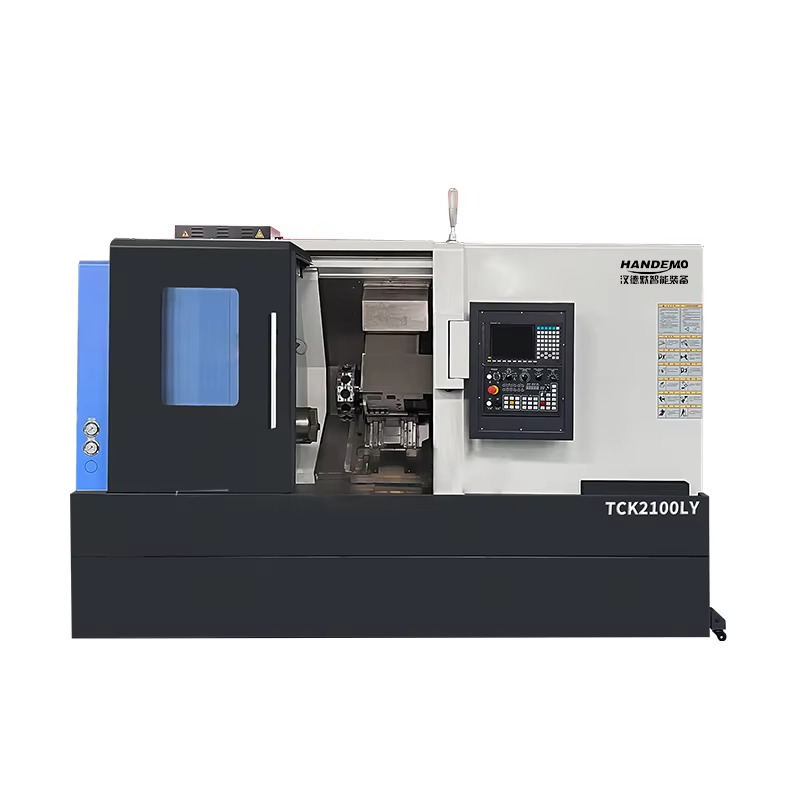
2100LY CNC Mill-Turn Machine
View Details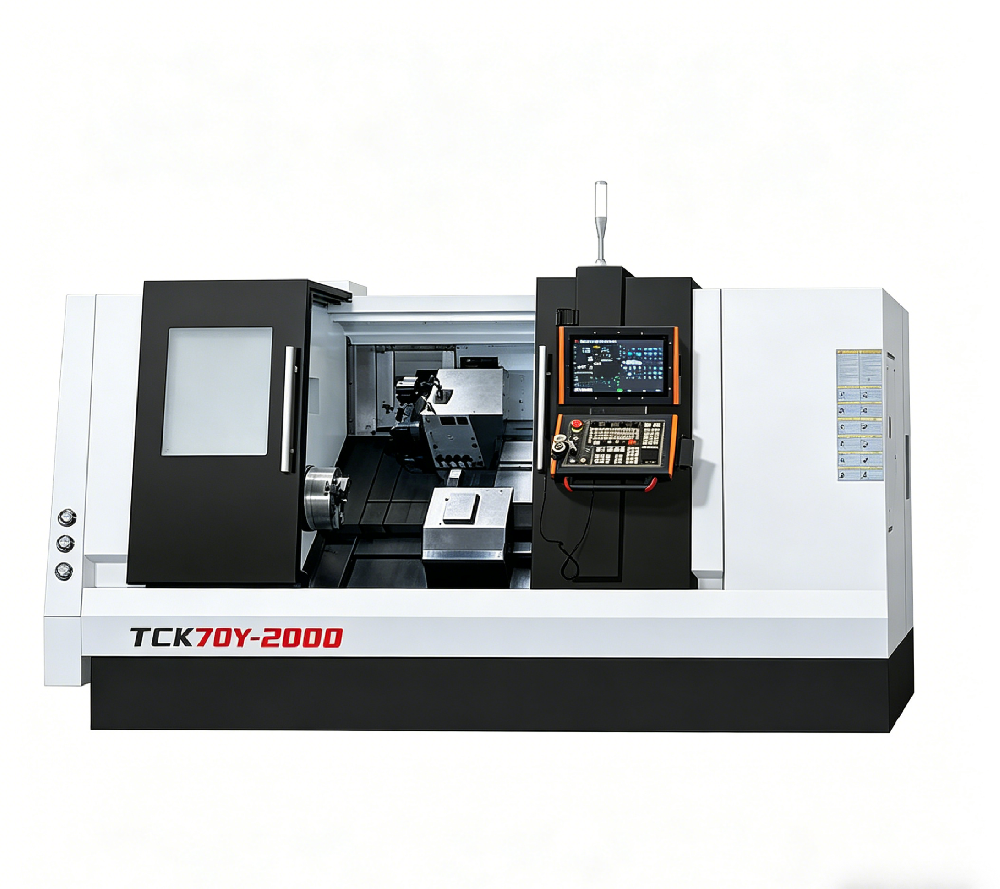
70Y CNC Mill-Turn Machines
View Details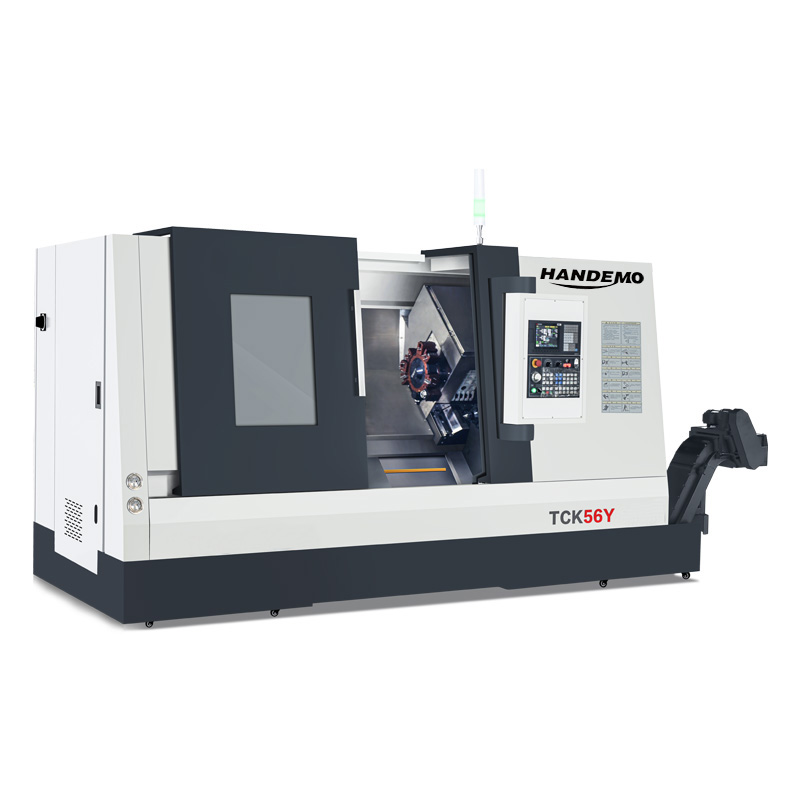
TCK56Y CNC Mill-Turn Machine
View Details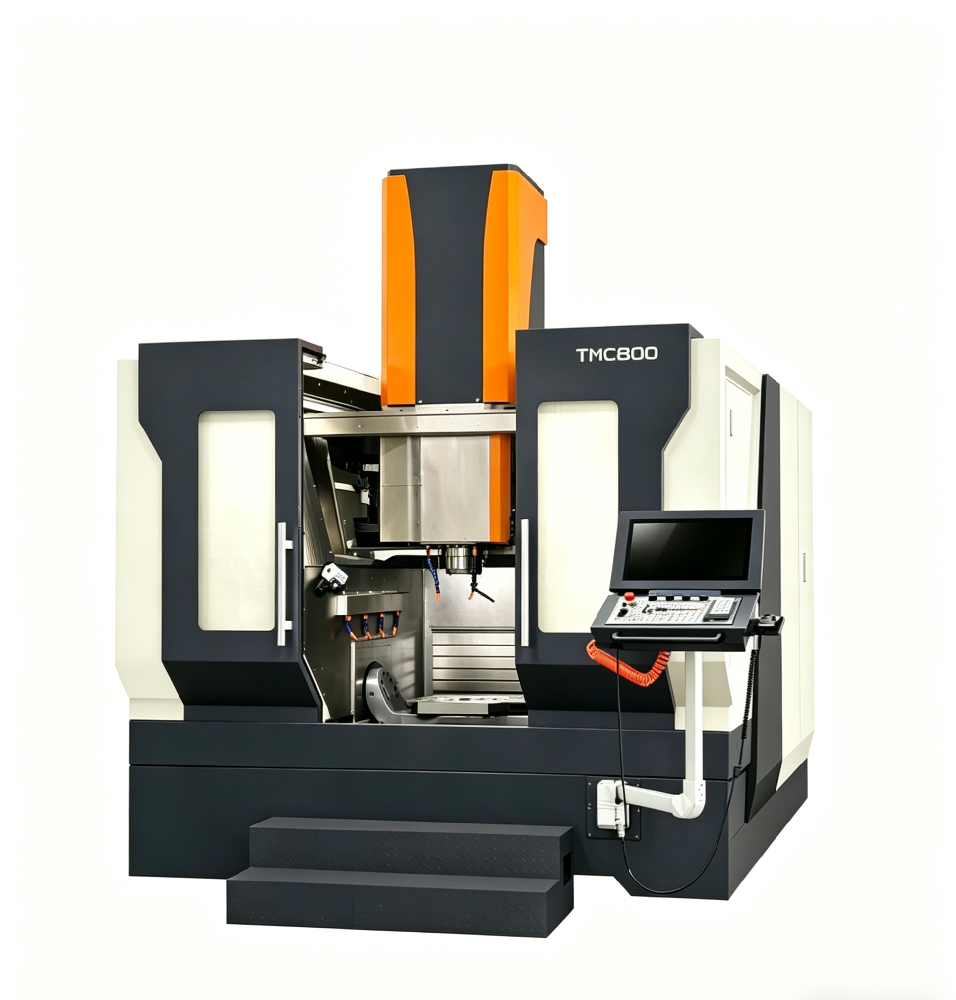
TMC800 High-Speed 5-Axis Machining Center
View Details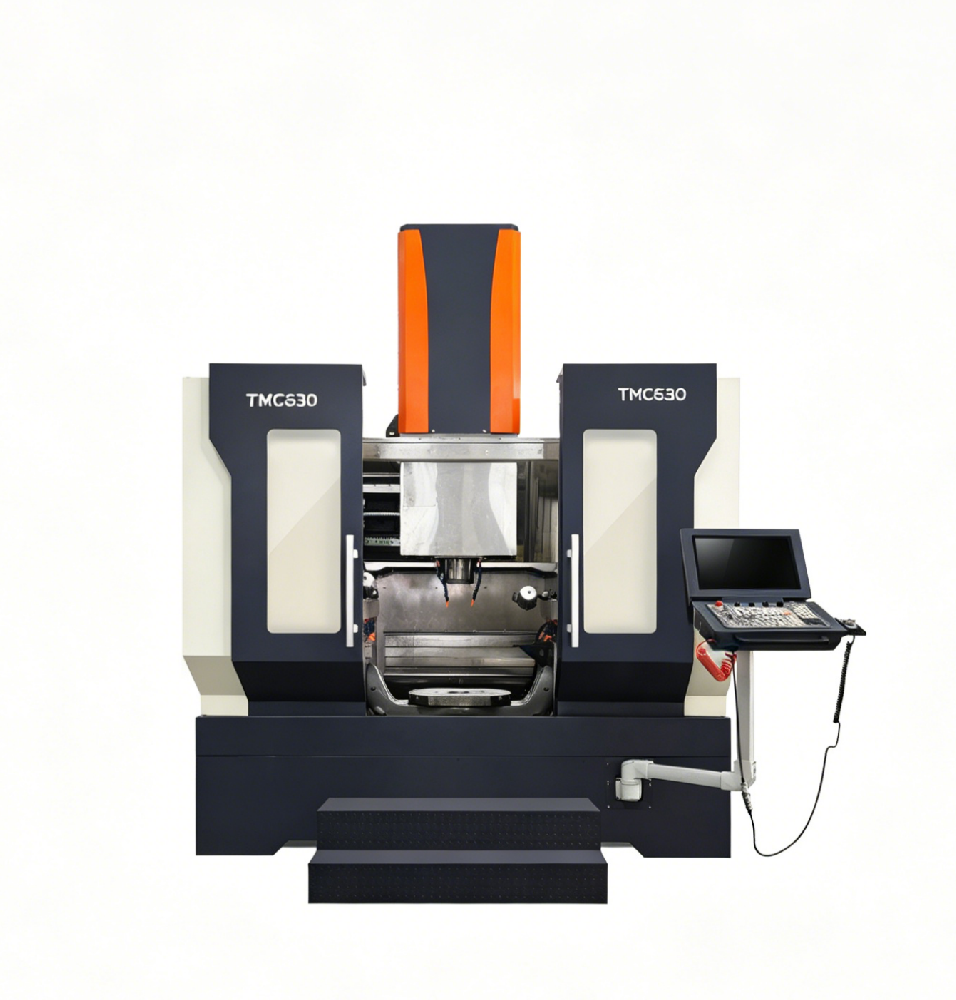
TMC630 High-Speed 5-Axis Machining Center
View Details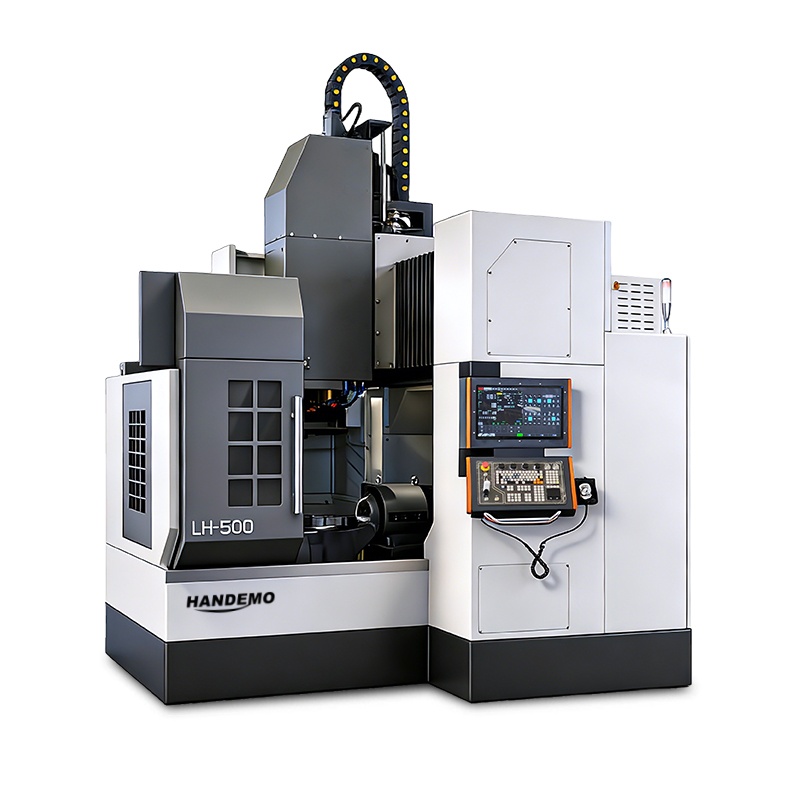
LH500 Gantry 5-Axis Machining Center
View Details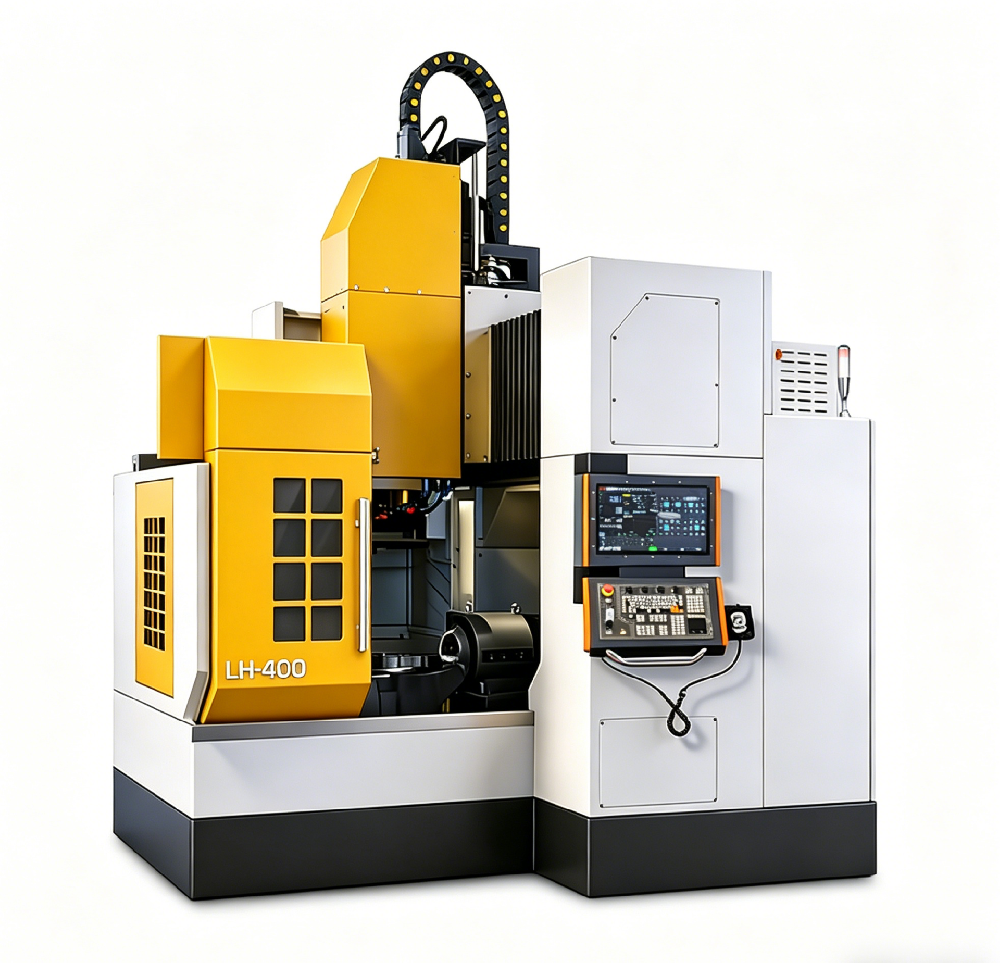
LH400 Gantry 5-Axis Machining Center
View Details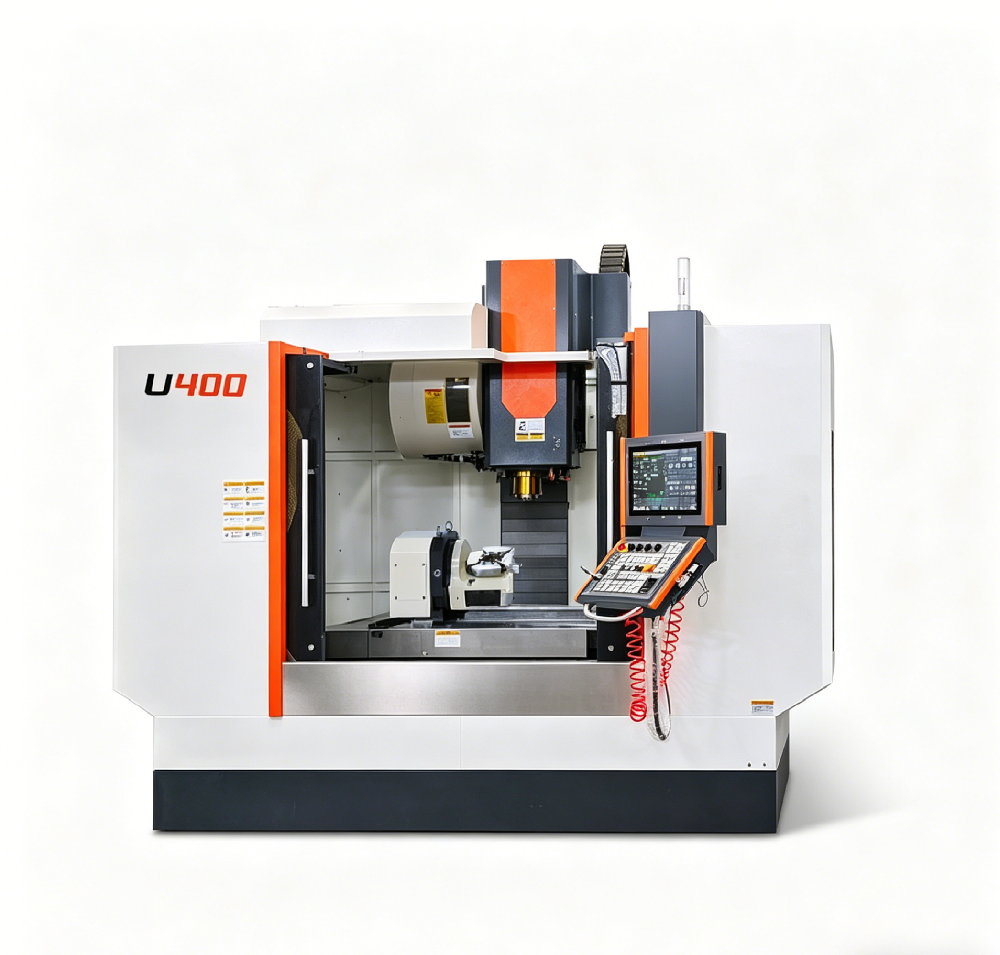
U400 Compact 5-Axis Machining Center
View Details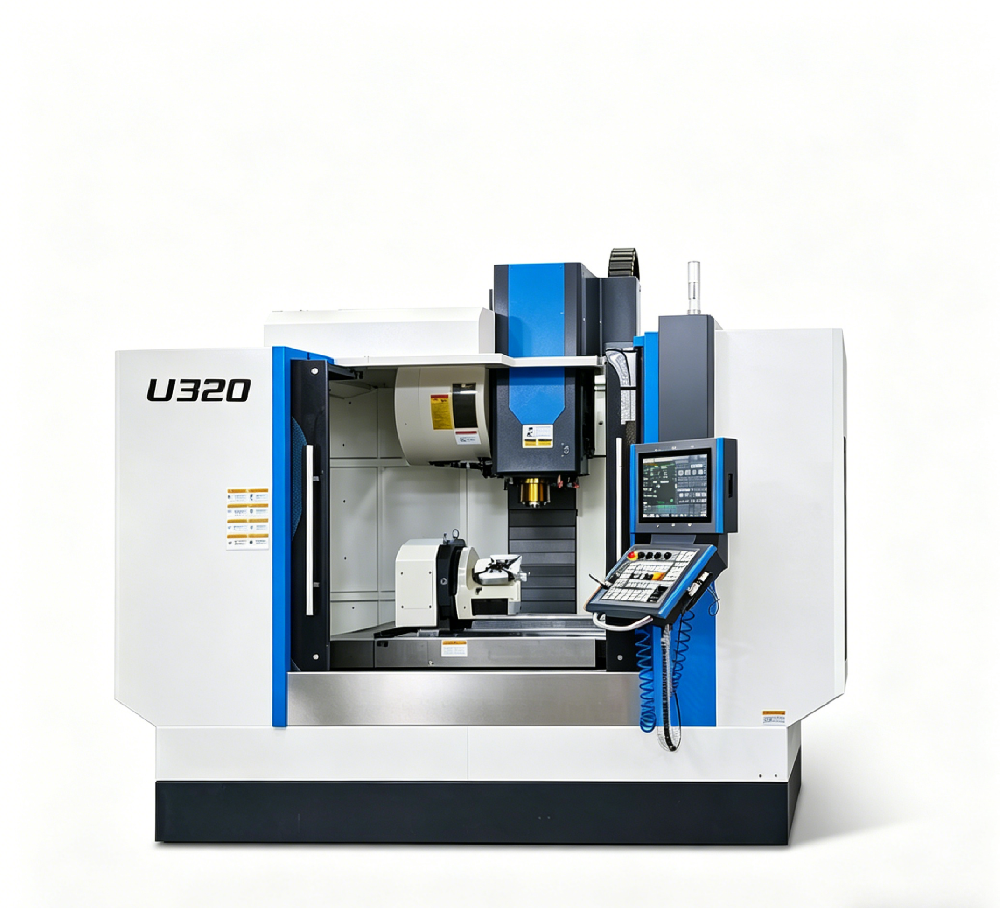
U320 Compact 5-Axis Machining Center
View Details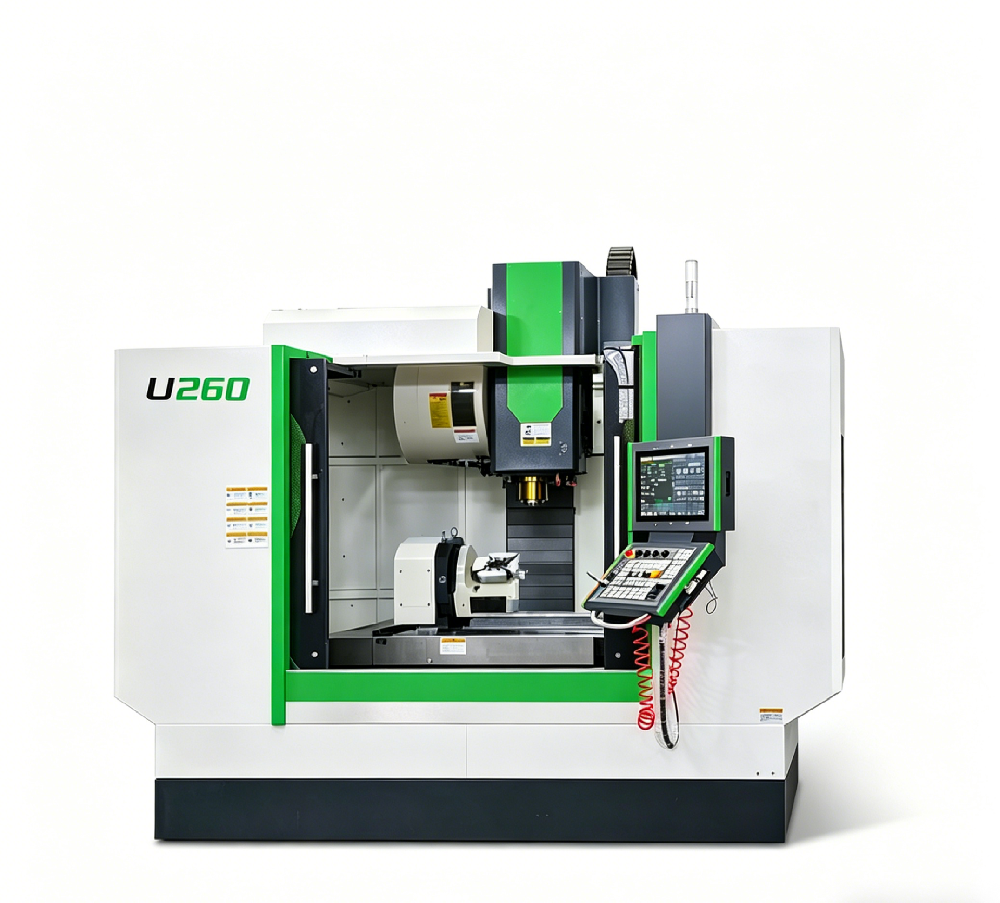
U260 Compact 5-Axis Machining Center
View DetailsStart From the Part, Not From the Machine Type
Most buyers arrive here already holding a machine type in mind — a VMC, a lathe, a mill-turn — because that is the word they used when they started looking. The type is the last thing to settle, not the first. What settles it is the part: how big the envelope is, how many faces need cutting, how tight the tolerance is, and how many pieces per month leave the door.
This page is the index to that decision. Sixty-three machines are listed across five families and twenty sub-ranges. Each sub-range exists because a different part shape or batch size made it necessary, and the fastest route through this catalogue is to find the sub-range whose description matches the part on your bench — then compare the two or three models inside it.
Every machine named on this page links to its own specification page. If you want to skip the reading and go straight to a comparison, send the drawing and the annual quantity and we will return one architecture, two models and a price.
Three Part Families, Three Routes Through This Catalogue
Route One: Round Parts Turned On A Single Axis
Shafts, pins, bushings, sleeves, flanges, fittings. The work arrives as bar or as a forging and leaves round. The slant bed lathe range covers this, split three ways by how hard the part is to hold: general-purpose models for mixed batches, heavy-duty models for large diameter, and high-precision models where roundness and finish are the acceptance criteria rather than the target.
If the round part also needs cross holes, flats or milled pockets, do not buy a lathe and a second machine — that is the point at which the mill-turn range starts to pay for itself.
Route Two: Box-Shaped Parts Cut On Several Faces
Housings, valve bodies, gearbox cases, machine frames, pump bodies. These need boring, facing and milling on faces that point in different directions, and the question is whether the part stays put while the tool reaches it. The horizontal machining center range is built around that question: chip falls away from the cut, and a tombstone or a rotary table brings the next face round without re-fixturing.
Not every box part needs a horizontal spindle. Flat plates and shallow brackets are cheaper on a vertical machining center, and the VMC versus HMC comparison sets out the dividing line by part weight and face count rather than by preference.
Route Three: Contoured Parts Where The Angle Itself Matters
Impellers, mould cavities, angled ports, aerospace brackets, medical housings. Here the tool has to approach the surface from an angle that no three-axis arrangement can reach, and the cost of the machine is justified by the operations it removes rather than by the metal it removes. The 5-axis range splits into compact models for small parts, high-speed models for die and mould work, and gantry models for large, tall parts that will not fit a bridge structure.
The Twenty Sub-Ranges, and How Many Machines Sit in Each
Every sub-range below is a real category page with its own machines, not a filter. The machine count is the number of distinct models currently listed. Two sub-ranges hold a single machine and that is deliberate — they answer one specific job each, and padding them with near-identical models would only make the choice harder.
| Sub-range | Machines | The part it is bought for |
|---|---|---|
| General-Purpose Slant Bed Lathes | 8 | Shafts, pins and bushings in mixed batches, where changeover time costs more than peak rigidity. |
| Heavy-Duty Slant Bed Lathes | 2 | Large-diameter forgings and castings that need more swing and a stiffer bed. |
| High-Precision Slant Bed Lathes | 5 | Work held to tight roundness and surface finish, bought for repeatability rather than for size. |
| General-Purpose Vertical Machining Centers | 3 | The standard three-axis job: plates, brackets, covers and small housings. |
| Heavy-Duty Vertical Machining Centers | 5 | Large plates and frames needing a bigger table and longer X travel. |
| High-Speed Mold Machining Centers | 3 | Cavities and cores where the surface finish has to come off the tool, not off a polisher. |
| Z-Rail Heavy-Duty Vertical Machining Centers | 2 | Tall, heavy work on a box-way Z axis where rigidity under load is the constraint. |
| Compact Horizontal Boring and Milling | 2 | Small cube parts that still need a horizontal spindle and a boring quill. |
| High-Speed T-Type Horizontal Machining Centers | 3 | Aluminium and cast iron on a T layout, where chip-to-chip time sets the cycle. |
| Deep-Hole Boring and Milling | 3 | Bores deeper than a vertical machine reaches without a special boring tool. |
| Deep-Hole T-Type Horizontal Machining Centers | 2 | Deep bores combined with multi-face work in a single setup. |
| Multi-Station Horizontal Machining Centers | 2 | Volume parts where a second station keeps the spindle cutting through load and unload. |
| Power-Turret Y-Axis Mill-Turn Centers | 5 | Cross holes, radial holes and flats on a turned part, without a second operation. |
| Y-Axis Turning and Milling Combination | 3 | Substantial off-axis milling, not just the occasional hole. |
| Dual-Spindle Mill-Turn Machines | 4 | Bar-fed parts machined on both ends without a manual flip. |
| 5-Axis Mill-Turn Machines | 3 | Angled ports and contoured features a Y axis cannot reach. |
| Large-Bore Pipe Threading Lathes | 1 | Pipe and tubular work fed through a large bore, threaded at one end. |
| Compact 5-Axis Machining Centers | 3 | Small complex parts where a full-size 5-axis machine would be oversized. |
| High-Speed 5-Axis Machining Centers | 2 | Die and mould work needing simultaneous motion at spindle speed. |
| Heavy-Duty Gantry 5-Axis Machining Centers | 2 | Large and tall parts that will not pass under a bridge structure. |
What Each Specification Actually Decides
Four numbers carry most of the decision, and each one rules out a different class of part. Reading them in the wrong order is how buyers end up with a machine that is oversized on one axis and short on another.
Travel Sets The Envelope, And It Is Rarely The Published Maximum
X, Y and Z travel define the largest cube the tool can reach, but the usable part is smaller than the cube. Fixture height, tool length and the clearance needed to retract all eat into it. Compare travel against the part plus its fixture, not against the part alone.
Table Or Pallet Size Sets The Weight And The Clamp Count
A table that fits the part but not the fixture is the most common specification error. Workholding for a machined casting often needs more footprint than the casting itself, and on a horizontal machine the pallet size also sets how many faces you can reach before re-clamping.
Spindle Taper Sets The Material Removal Rate, Not The Accuracy
BT40 and BT50 mount different tool sizes and tolerate different cutting loads. The BT40 versus BT50 comparison sets out which cuts each taper will hold without chatter. Accuracy comes from the machine structure and the control, not from the taper.
Turret Or Tool Magazine Stations Set The Changeover Cost
More stations means fewer manual tool swaps across a family of parts, which matters on high-mix work and barely matters on a single long cycle. Count the tools the complete part needs, including roughing, finishing and any probing, then add two for the next job.
Five-Axis, Mill-Turn, Or Plain Three-Axis
These three are often quoted against each other for the same part, and the choice is not about which is better. Three-axis is the right answer whenever the part can be reached from one direction with two setups — it is cheaper to buy, cheaper to tool and cheaper to program. Five-axis earns its price when the alternative is a stack of fixtures, and mill-turn earns its price when the alternative is a second operation on a lathe.
The test is simple: count the setups on the current routing. One setup on three-axis stays three-axis. Two or three setups with awkward angles moves toward five-axis. A turned part that leaves the lathe for a mill moves toward mill-turn. If the answer is still unclear, the solutions section groups machines by the part rather than by the machine type, and the valve and hydraulic parts page is a worked example of how that grouping is applied.
How To Read A Quotation Against This Catalogue
A price on its own says nothing. Ask for the quotation to name the sub-range, the model, the control, the tooling package and the commissioning scope, because those five lines are where two quotes for the same model diverge. A quote that omits the tooling package is not a cheaper quote, it is a shorter one.
Three items are worth confirming in writing before an order is placed: the machine's actual delivery date including sea freight, whether the post-processor for your CAM system is included, and who performs the on-site commissioning. Each of those has a cost that shows up after the invoice rather than on it.
Frequently Asked Questions
How many machine models does Handemo build?
Sixty-three models are listed across the twenty sub-ranges on this page, in five families: vertical machining centers, horizontal machining centers, slant bed lathes, mill-turn machines and 5-axis machining centers.
Which machine should I look at first if I only know the part drawing?
Decide from the part shape. Round parts go to the lathe or mill-turn ranges, box parts to the horizontal or vertical machining center ranges, and contoured parts to the 5-axis range. The three routes above follow exactly that split.
Can I compare two sub-ranges directly?
Yes, and it is often the right move. The boundary between two sub-ranges is usually one part feature, such as a bore depth or a second face, and each sub-range page states what it was built to handle so the overlap is visible.
Do you quote against a drawing?
Yes. Send the drawing, the material, the tolerance on the critical features and the monthly quantity, and the reply names one architecture and two models rather than a list of everything we build.
Where To Go Next
Send the part and the volume through the drawing upload page, or contact us directly with the specification you already have. If you are still comparing machine types, the machine comparisons section holds the head-to-head guides, and the automation section covers what changes when the machine has to be loaded without an operator.