
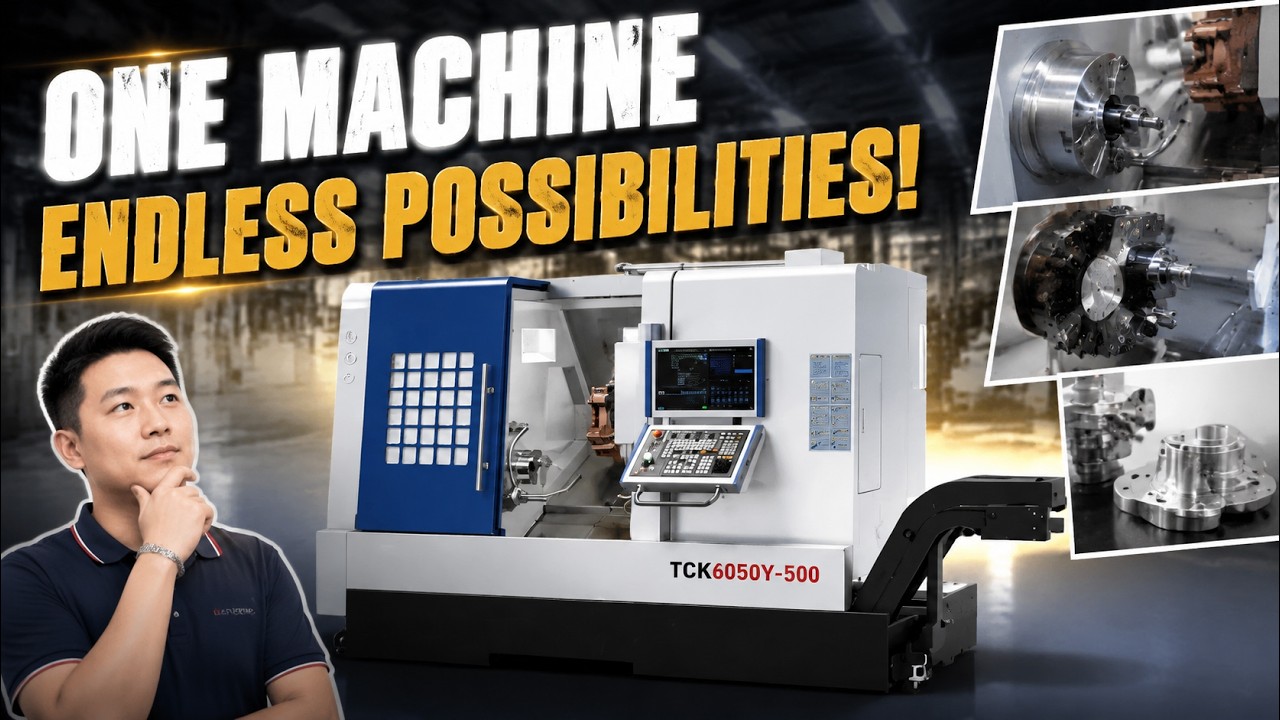
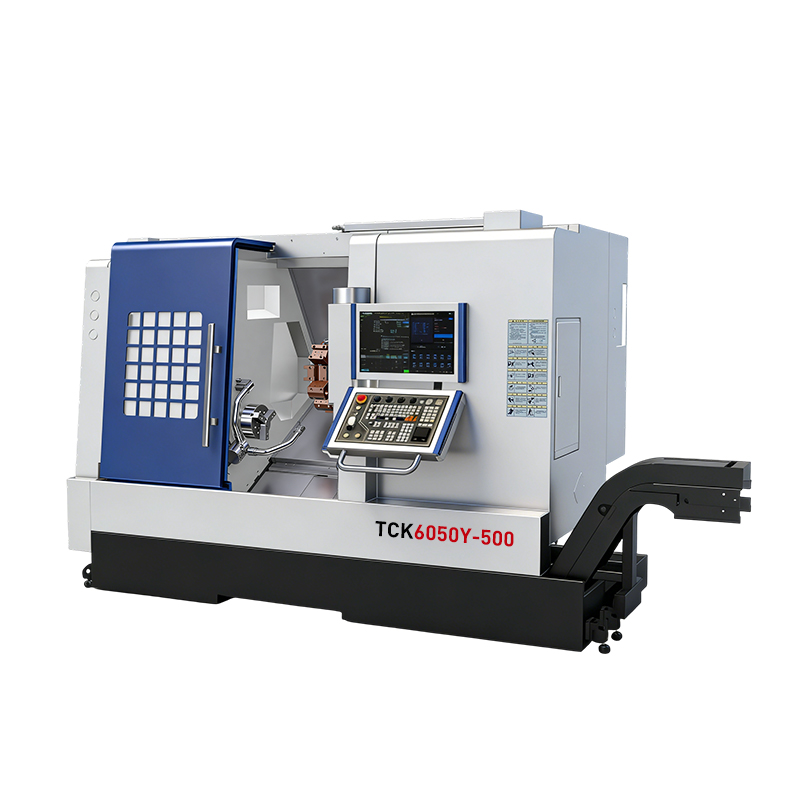
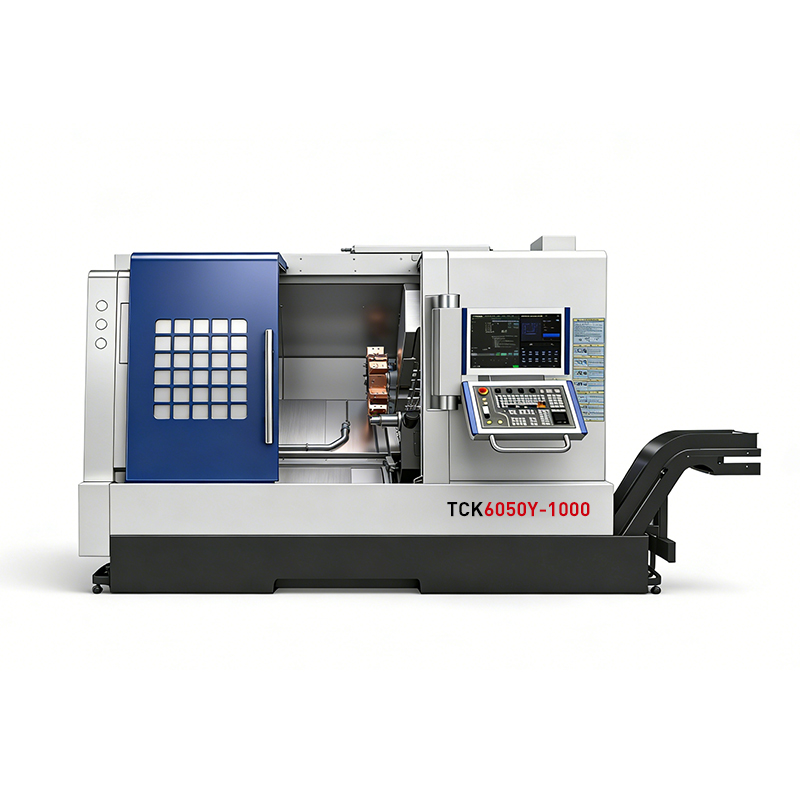
TCK6050Y CNC Mill-Turn Machine
CNC Mill-Turn Machines / Power-Turret Y-Axis Mill-Turn Centers
*Max. swing over bed 560 mm, max turning length 980 mm, max turning diameter 410 mm, swing over cross slide 400 mm, standard turning diameter 300 mm
*Spindle nose type A2-6, spindle bore 65 mm, max bar capacity 50 mm
*X-axis travel 280 mm, Z-axis travel 1130 mm, Y-axis travel ±50 mm, X/Z rapid traverse 15/15 m/min
*Tailstock travel 900 mm, tailstock quill stroke 100 mm
Technical Specifications
Product Details Parameters
Key Features
Y-Axis Live Tooling on a Power Turret
A plus-or-minus 50 mm Y-axis stroke on the power turret lets driven tools work off the centreline, so cross holes, flats and slots are cut without moving the part to a mill.
Two Bed Lengths: 500 mm and 980 mm Turning
The TCK6050Y-500 turns to 500 mm and the TCK6050Y-1500 reaches 980 mm. Both share the same 560 mm swing over bed, 410 mm maximum turning diameter and A2-6 spindle, so adding the longer bed does not mean relearning the machine.
65 mm Spindle Bore, 50 mm Bar Capacity
The A2-6 nose carries a 65 mm bore that passes 50 mm bar. That covers shaft work, connector bodies and valve parts that would otherwise be turned in two operations.
15 m/min Rapids on X and Z
X and Z rapid traverse at 15 m/min, with 280 mm of X travel and 630 or 1130 mm of Z travel. Fast positioning matters on parts that carry a lot of short features.
Primary Applications
This machine is aimed at turned parts that also need milled features:
- Hydraulic and pneumatic valve bodies with cross-drilled ports.
- Shafts and connectors with flats, keyways or cross holes.
- Automotive fittings and small transmission components.
- Instrument parts where alignment between turned and milled features has to hold.
Why Choose the TCK6050Y?
Use the TCK6050Y when a part leaves the lathe and still needs a second operation on a mill. Moving that work onto a Y-axis turret removes a setup, the fixture cost that goes with it, and the alignment error that creeps in between two machines. See how valve bodies are machined for a worked example, or compare the whole mill-turn range if your parts run larger.
Product Parameters
| Specifications | TCK6050Y-500 | TCK6050Y-1500 |
| Max. swing over bed(mm) | 560 | 560 |
| Max. turning length(mm) | 500 | 980 |
| Max. turning diameter(mm) | 410 | 410 |
| Max. swing over cross slide(mm) | 400 | 400 |
| Standard turning diameter(mm) | 300 | 300 |
| Spindle nose type / code | A2-6 | A2-6 |
| Spindle bore diameter(mm) | 65 | 65 |
| Max. bar capacity(mm) | 50 | 50 |
| X-axis rapid traverse(m/min) | 15 | 15 |
| Z-axis rapid traverse(m/min) | 15 | 15 |
| Y‑axis travel(mm) | ±50 | ±50 |
| X-axis travel(mm) | 280 | 280 |
| Z-axis travel(mm) | 630 | 1130 |
| Tailstock travel(mm) | 450 | 900 |
| Tailstock quill stroke(mm) | 100 | 100 |
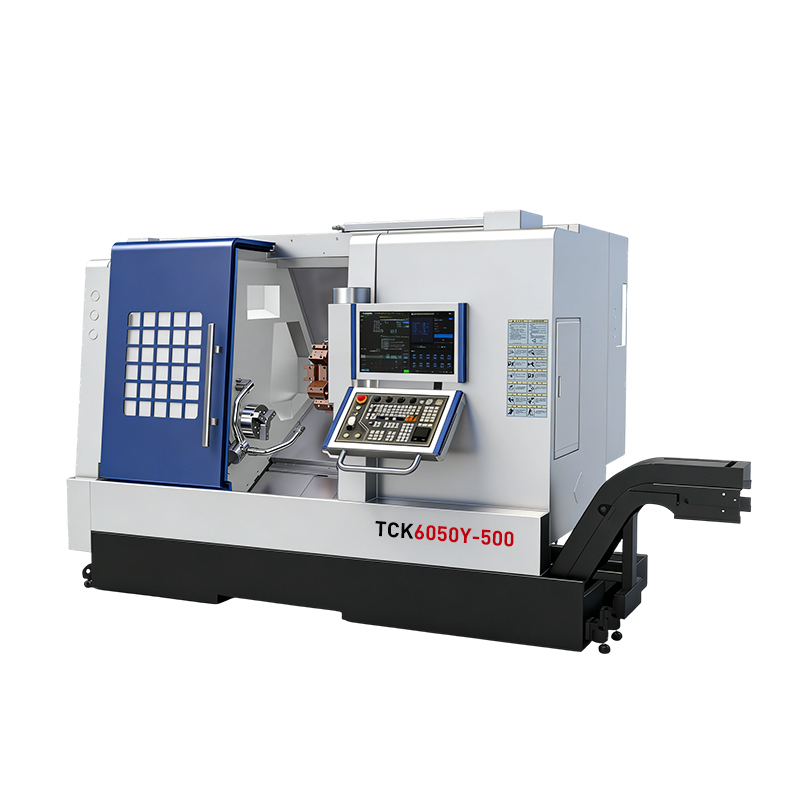
Bar Stock and Bar Feeding
The spindle takes up to 50 mm bar through a 65 mm bore. That 50 mm is the working capacity with the collet, liner and bar feeder connected — the bare bore is larger than what you can actually feed. Stock above 50 mm is chucked and run as a billet.
The 15 mm between bore and bar capacity is what the liner and collet take up. If your stock sits close to 50 mm, send the tolerance on the bar itself: cold-drawn and hot-rolled stock of the same nominal size do not both pass a standard liner, and that difference shows up as feed stoppages rather than as a machining problem.
Bar Feeder, Magazine or Robot?
All three interfaces can be specified. A bar feeder suits round, hexagonal or square stock up to 50 mm running continuously and is the usual choice for parts turned from bar. A gantry or robot loader suits billets, castings and parts that need two operations or a flip. The choice changes the footprint and the foundation, so it has to be fixed before the machine is built.
With a 8-inch chuck the machine handles bar work and chuck work on the same spindle. Bar work is limited by the 50 mm feed capacity; chuck work is limited by the swing and the maximum cutting diameter in the parameter table above.
Bar Work, Billet Work and Where the Limit Is
Cutting length from bar in one setup is up to 500 mm, measured from the chuck face to the tool tip. Beyond that the bar leaves the spindle unsupported and the part needs a steady rest or a second operation. When you ask for a quotation, state the finished length and the raw length per part: together they set the remnant, and the remnant is what decides whether a bar feeder pays for itself on your batch size.
A practical rule for bar work: the remnant left in the feeder plus the part length has to divide into the bar length you can buy without leaving an offcut you cannot use. On short parts the remnant dominates the material cost, and that is a question about the feeder, not about the lathe.
Related Technical Guides
- CNC Mill-Turn vs CNC Lathe: How to Choose
- Eccentric Shaft Machining: Offset Setup — Machining an eccentric shaft means turning two axes that do not share a centreline.
- Case Study: Turning an Eccentric Shaft — Why an automotive supplier's eccentric shaft drifted after fifty parts, and how one-clamp Y-axis turning removed the fixture from the accuracy chain.
- CNC Machining Agricultural Machinery Parts — A practical look at how farm machinery parts are turned and milled: PTO shafts, linkage pins, hubs and housings, and the setups that keep a batch running true.
Get a Quote for Your Application
Need a CNC machine matched to your production line? Send us your part drawings and batch size, and our engineers will recommend the model, tooling and fixture setup that fits.
Contact Handemo CNC at sales1@handemocnc.com or WhatsApp +86 135 6320 3038. You can also send an enquiry here.
FAQs
Frequently Asked Questions
What is the minimum order quantity for this machine?
We accept orders from 1 unit. Each machine is manufactured to order with full quality inspection, and lead time depends on the model and customization requirements. Contact our sales team for current lead times.
Can the machine be customized for my application?
Yes. Handemo offers customization including spindle options, CNC control systems (Fanuc, Siemens, GSK or others), automation integration, 4th/5th axis configurations, chip conveyors and special tooling. Tell us your workpiece requirements and we will propose the best configuration.
Do you provide installation and training?
Yes. We provide on-site installation and commissioning, operator training, and technical documentation. Remote video support is also available for troubleshooting and optimization after delivery.
What is your warranty policy?
Standard warranty covers the machine tool for 12 months from installation, including spare parts support. Extended warranty and preventive maintenance programs are available on request.
How do you ship the machine and how long does delivery take?
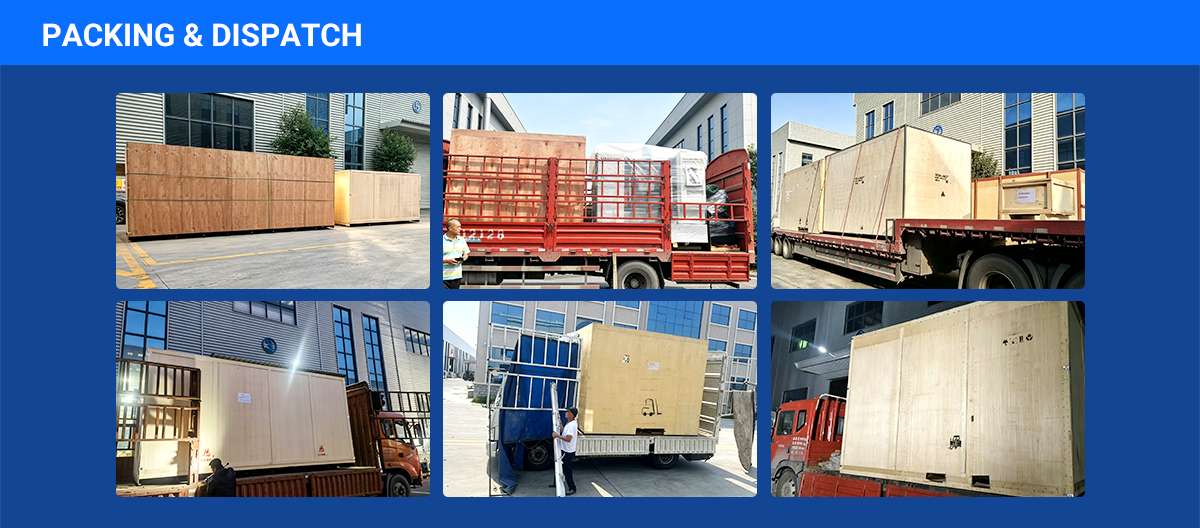
We export worldwide by container or break-bulk shipping with professional packing. Delivery time depends on the destination country and the model ordered. Our export team manages the full logistics process including customs documentation.
Can I visit the Handemo factory before ordering?
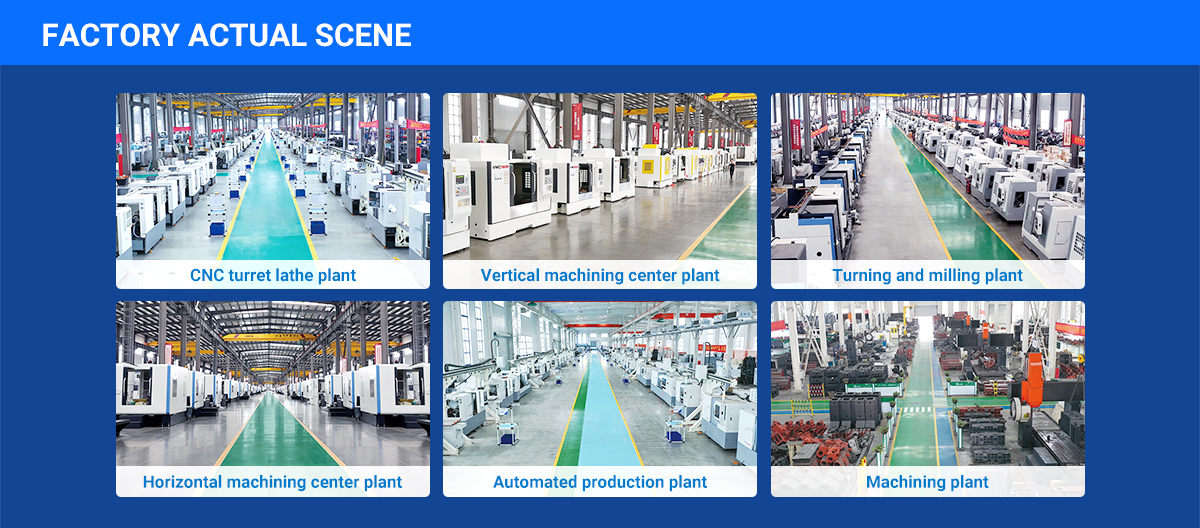
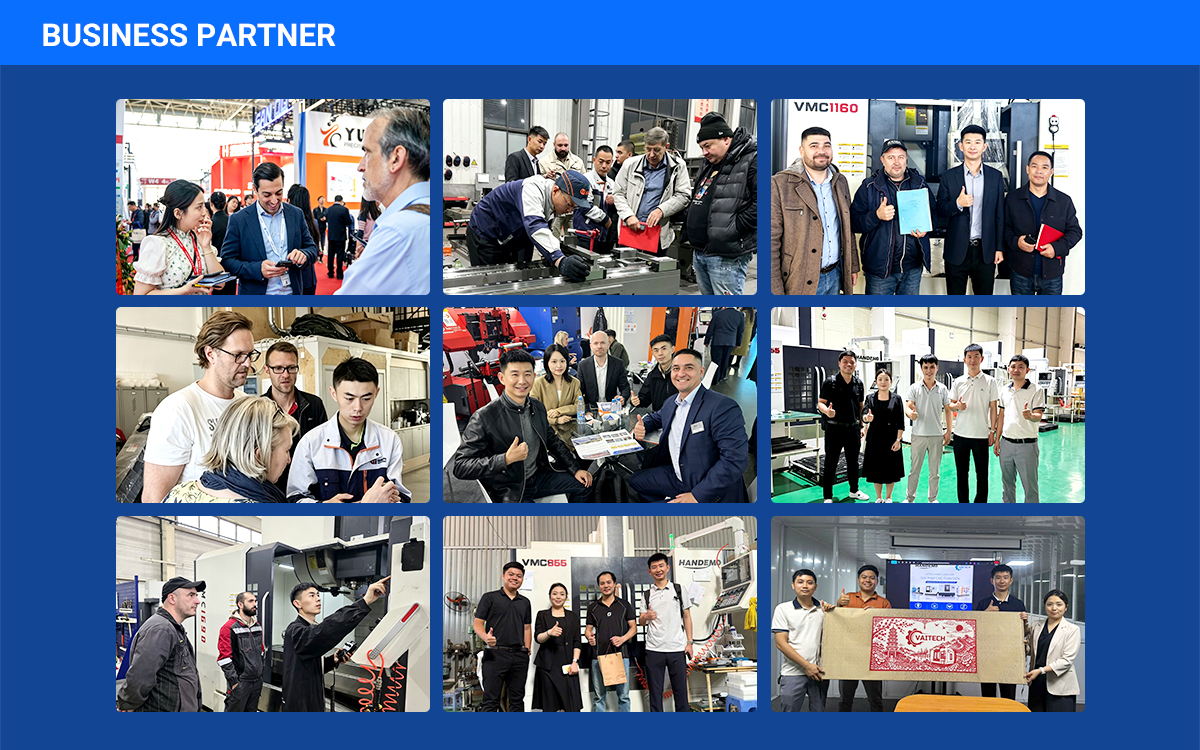
Certainly. Customers are welcome to visit our factory in Shandong, China for machine inspection, cutting tests and face-to-face discussion. We regularly host international customers from more than 150 countries.
Recommended Products
Related Products
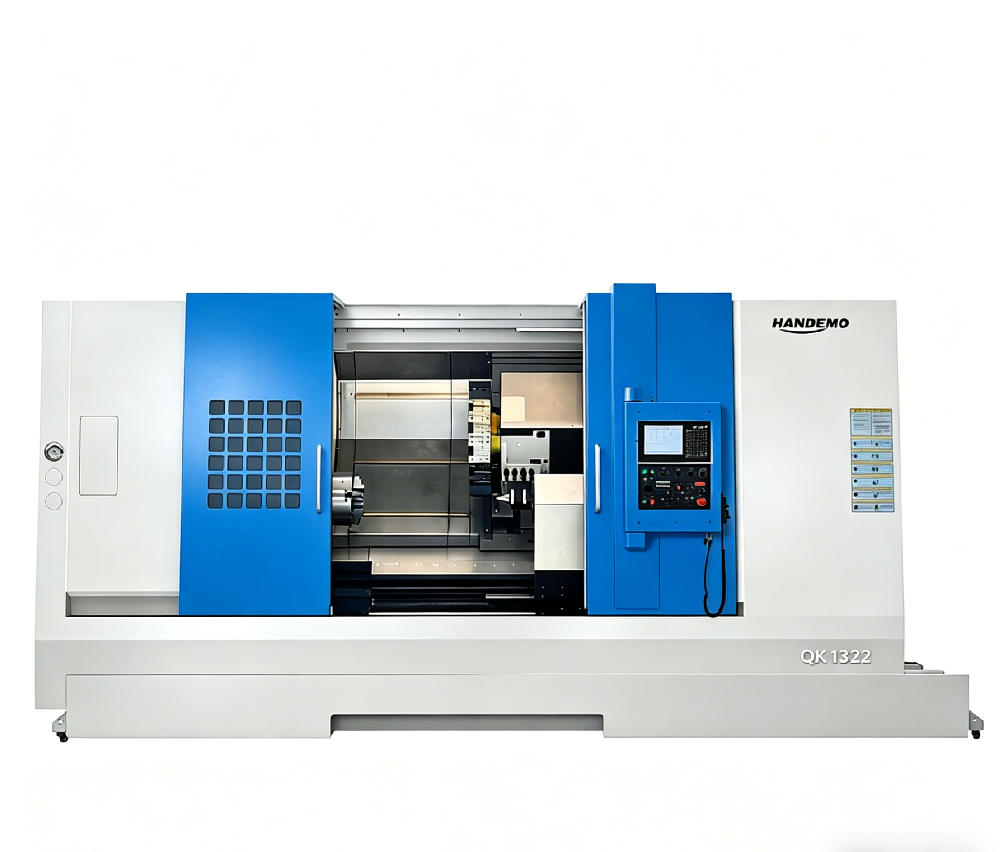
QK1322 CNC Mill-Turn Machine
View Details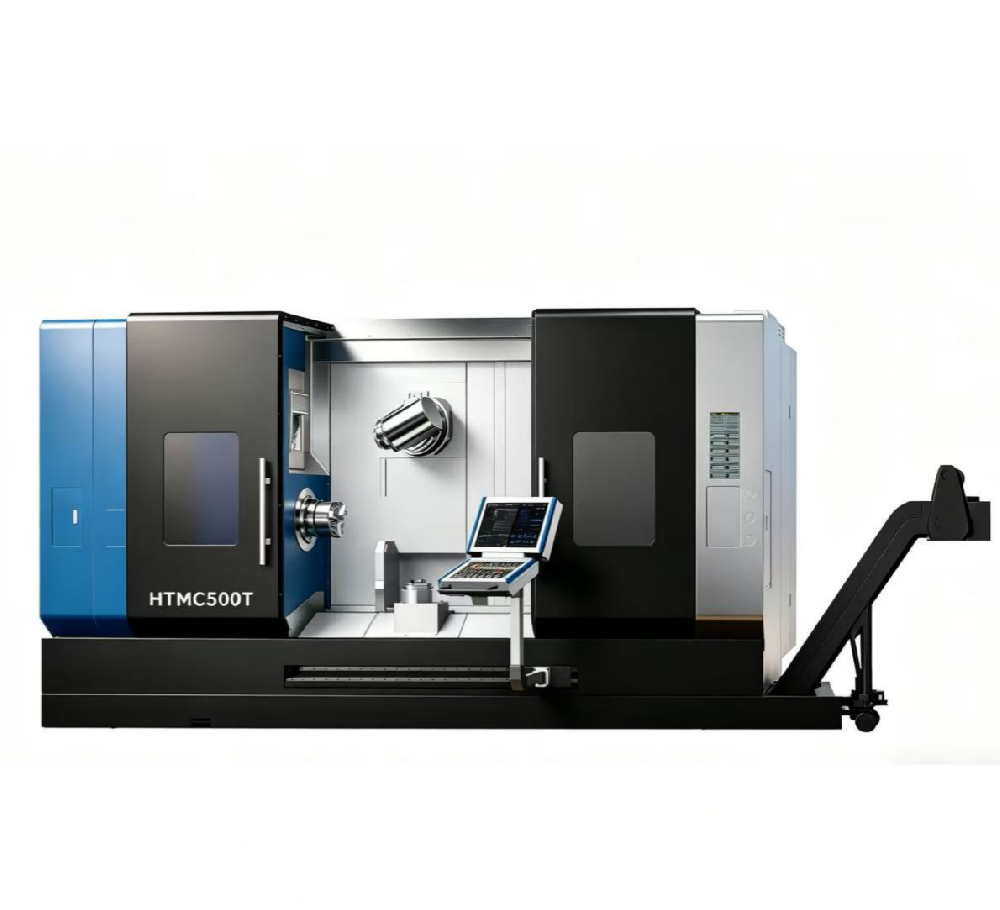
HTMC500T CNC Mill-Turn Machine
View Details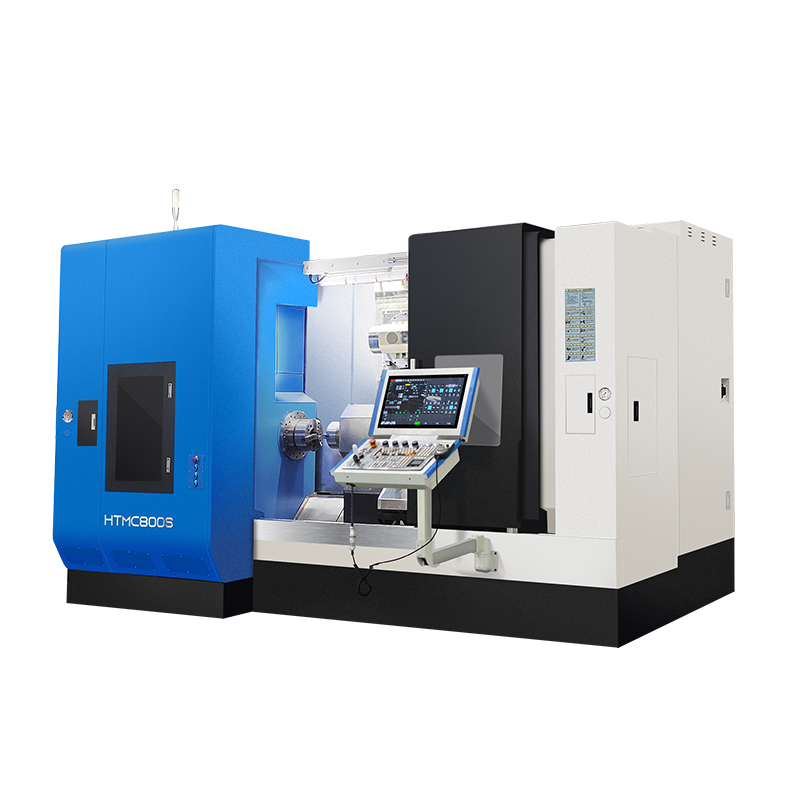
HTMC800S CNC Mill-Turn Machine
View Details
TCK2100SYY CNC Mill-Turn Machine
View Details
TCK80Y CNC Mill-Turn Machine
View Details
TCK600SD CNC Mill-Turn Machine
View Details
TCK6050SY CNC Mill-Turn Machine
View Details
TCK2300B CNC Mill-Turn Machine
View Details
TCK3100LY CNC Mill-Turn Machine
View Details
3100SY CNC Mill-Turn Machine
View Details
TCK600Y / TCK600SY CNC Mill-Turn Machines
View Details
2100LY CNC Mill-Turn Machine
View Details
70Y CNC Mill-Turn Machines
View Details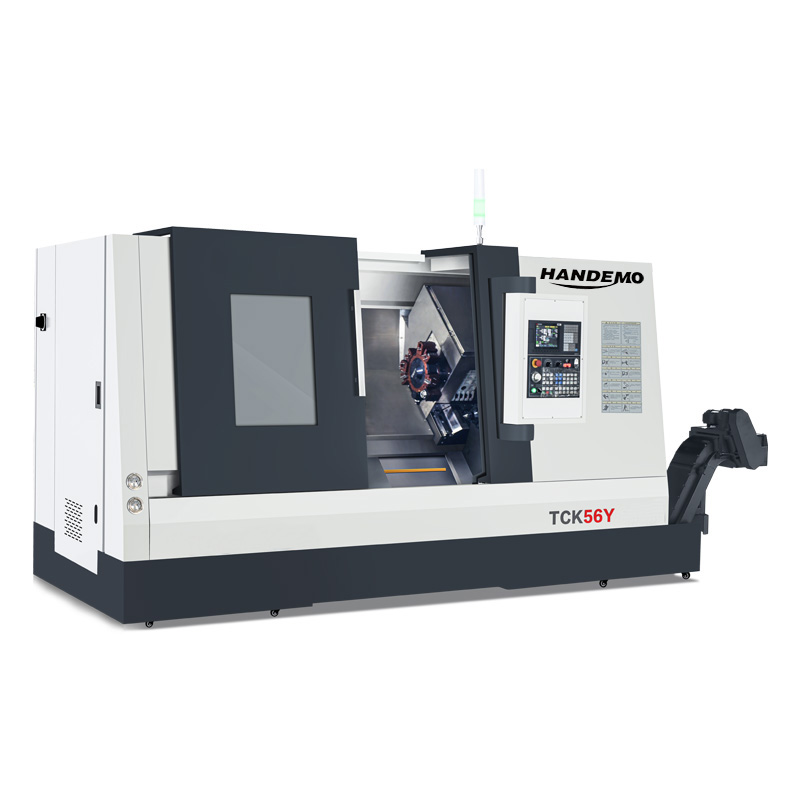
TCK56Y CNC Mill-Turn Machine
View Details
Contact Us
Get In Touch With Handemo
We are ready to provide you with professional solutions and reliable CNC machines.
Phone+86 135 6320 3038
AddressShandong, China
Business HoursMonday - Saturday: 08:00 - 17:30 (GMT+8)