CNC Machining for Agricultural Machinery Parts
Agricultural machinery does not get the glamour of aerospace or the volume of automotive, but the parts have a habit of being awkward. They are large and light at the same time, they arrive as forgings or castings with the sand still on them, and they finish their lives outdoors in dust and mud. This article walks through what actually gets turned and milled in the agricultural supply chain, and the setups that decide whether a batch runs smoothly.
It belongs to our application guides series, where each article takes one industry and follows the parts from blank to finished, with the machines that suit them.
The parts that come through the door
An agricultural job shop sees a fairly consistent mix. Drive and PTO shafts, which are turned over their length with splines or a keyseat at the coupling end. Pins, pivots and bushings for lift arms, three-point linkages and steering. Hubs and wheel spindles. Bearing housings and disc hubs for implements and trailers. Hitch and drawbar parts. Then the brackets, plates and reinforcement pieces that hold the whole assembly together.
What these parts share is a low cosmetic standard and a high functional one. Nobody polishes a three-point linkage, but a pin that binds in the field stops the machine in the middle of a working window nobody can afford to lose.
Materials that come through the door
The bulk of the turning work is medium carbon steel such as C45 or 1045, and the higher-stress pins and spindles move up to 40Cr or 4140. Case-hardening grades like 20CrMnTi appear where a shaft needs a hard skin and a tough core. Ductile iron and cast steel cover the housings and the larger brackets. Stainless shows up on sprayer and fertilizer equipment, where the part is in contact with a corrosive solution every day.
The condition of the blank matters as much as the grade. A hot forging arrives with scale and a skin that will eat a carbide insert if the first pass is too aggressive, and a casting can carry a hard spot exactly where the first bore wants to start. The turning sequence is planned around that reality, not around a clean bar.
Turning the shaft family
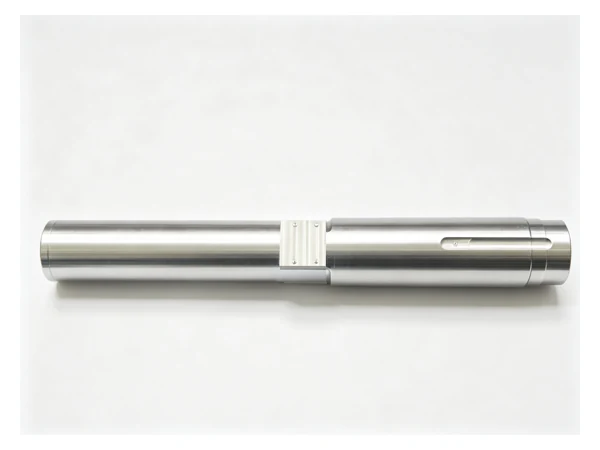
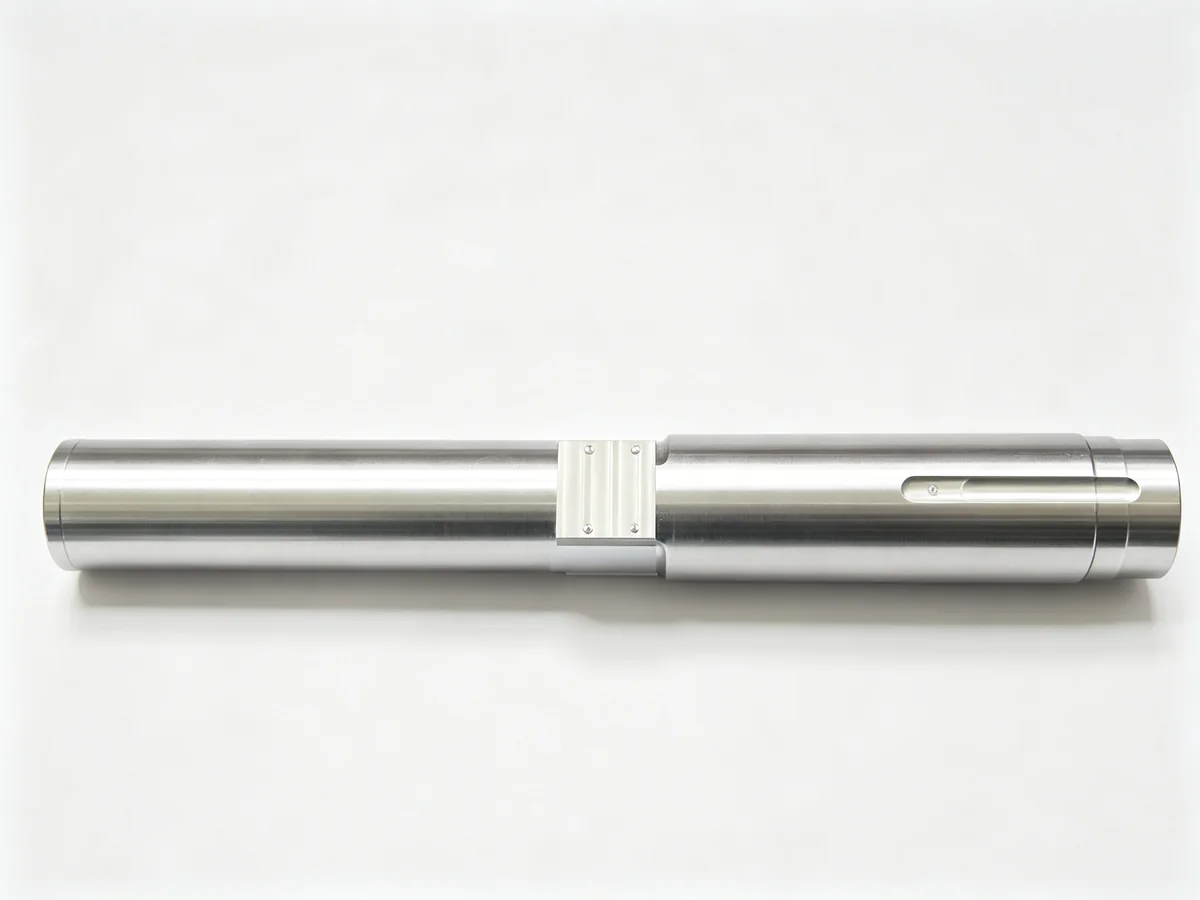
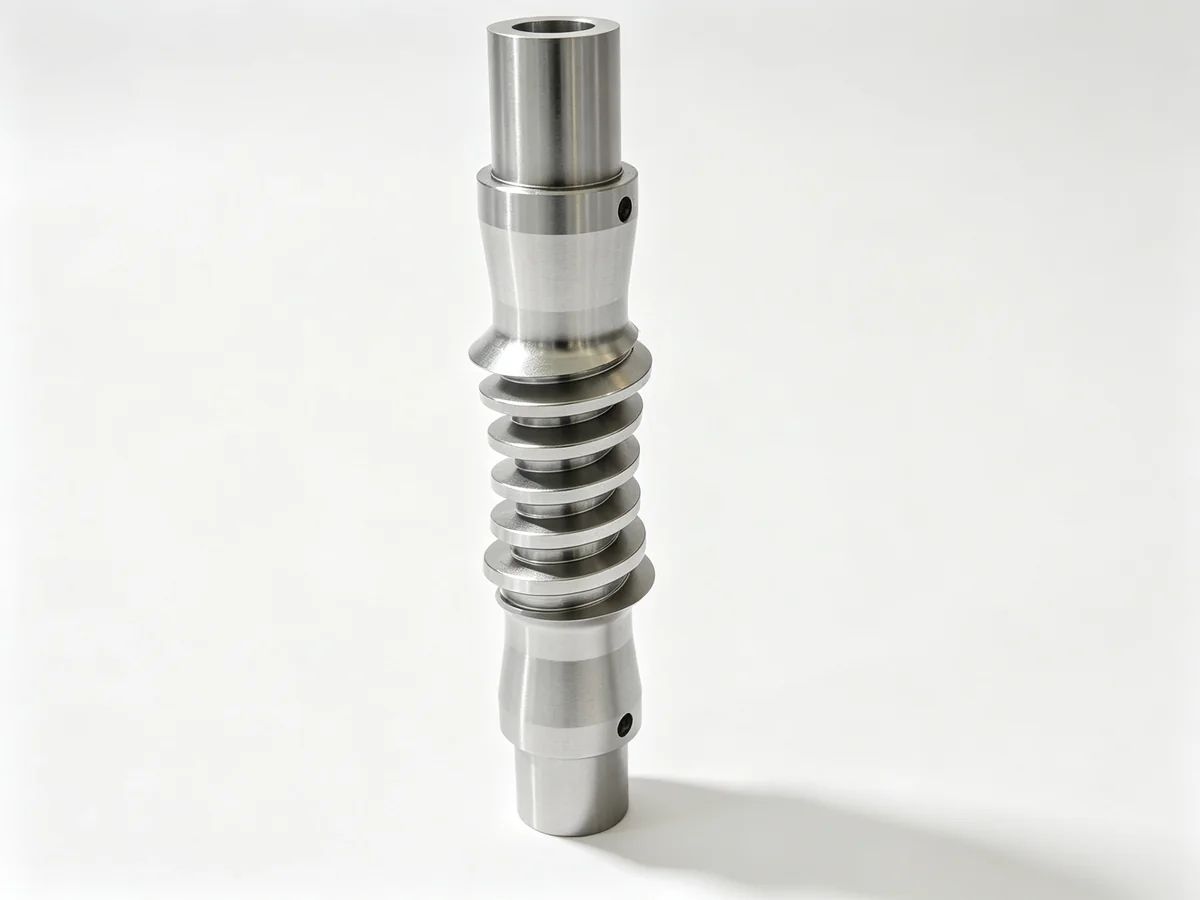
Shafts are the heart of agricultural machining. The standard approach is to turn between centres or with a tailstock supporting the free end, because a PTO shaft is long relative to its diameter and will deflect away from the tool without support. The journals, the shoulder faces and the bearing seat go in one clamp wherever the drawing allows it, so the runout between them is set once.
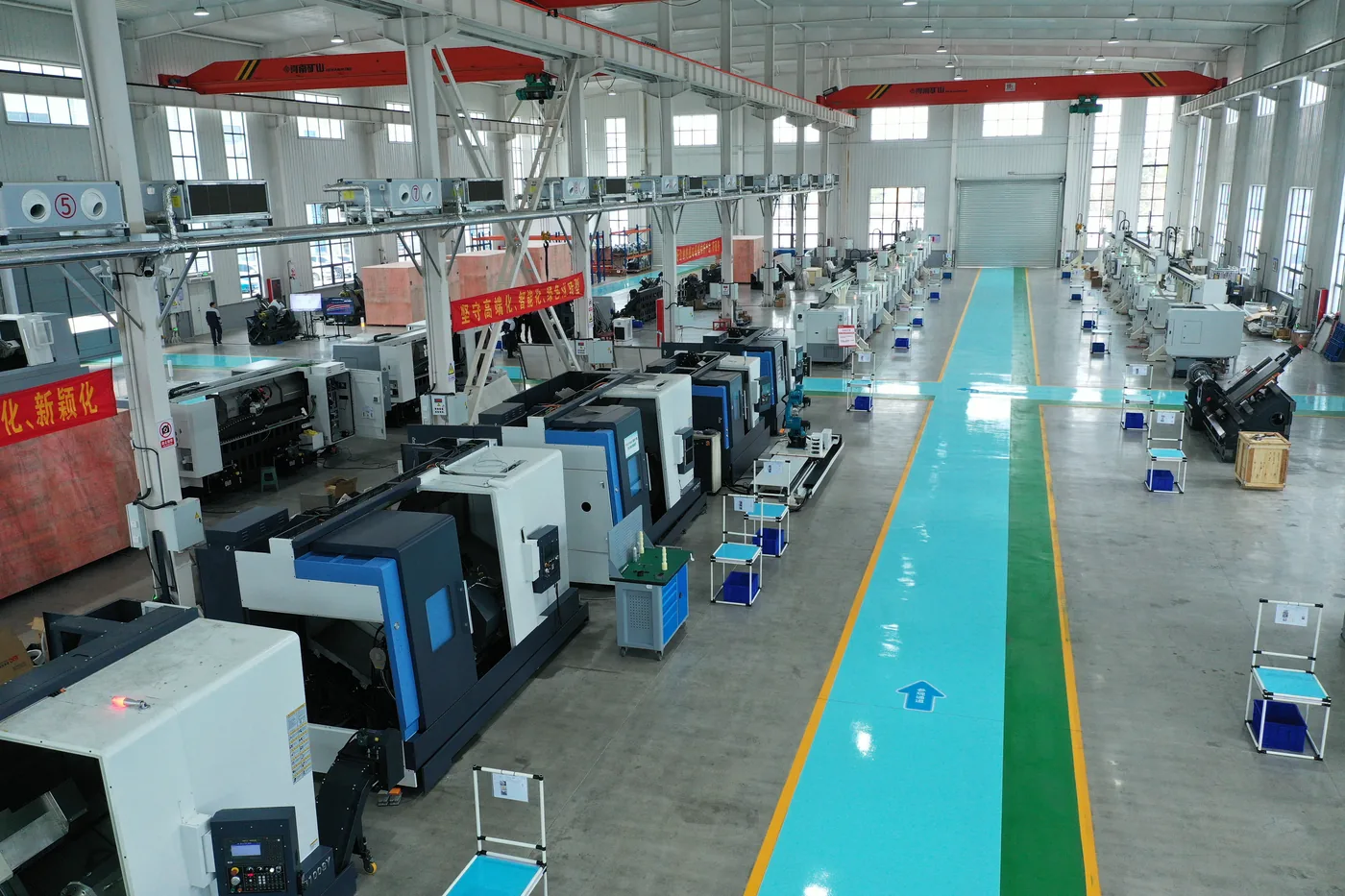
For this kind of work a slant bed lathe with a tailstock, such as the TCK50, handles the medium shaft sizes without drama, including the boring, grooving and threading cycles that turn up on hitch pins and adjusters. When the shaft has features at both ends, a mill-turn machine takes the second end without the operator turning the part around and losing the datum.
Milling and boring the housing family
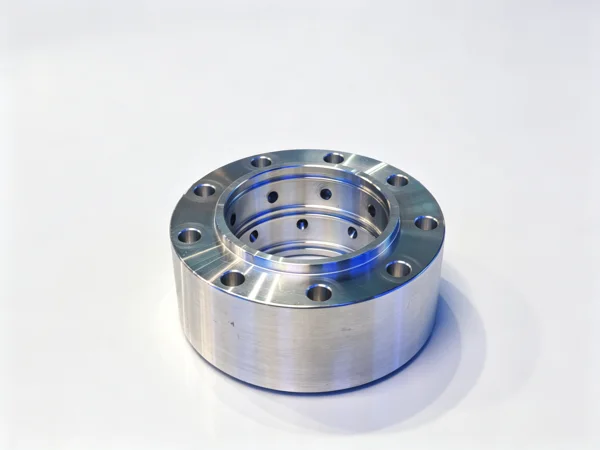
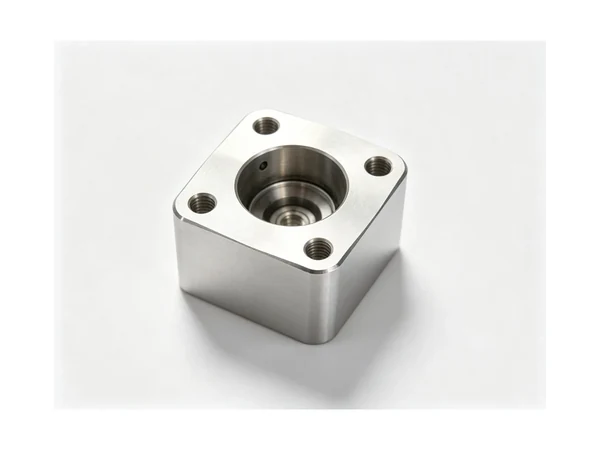
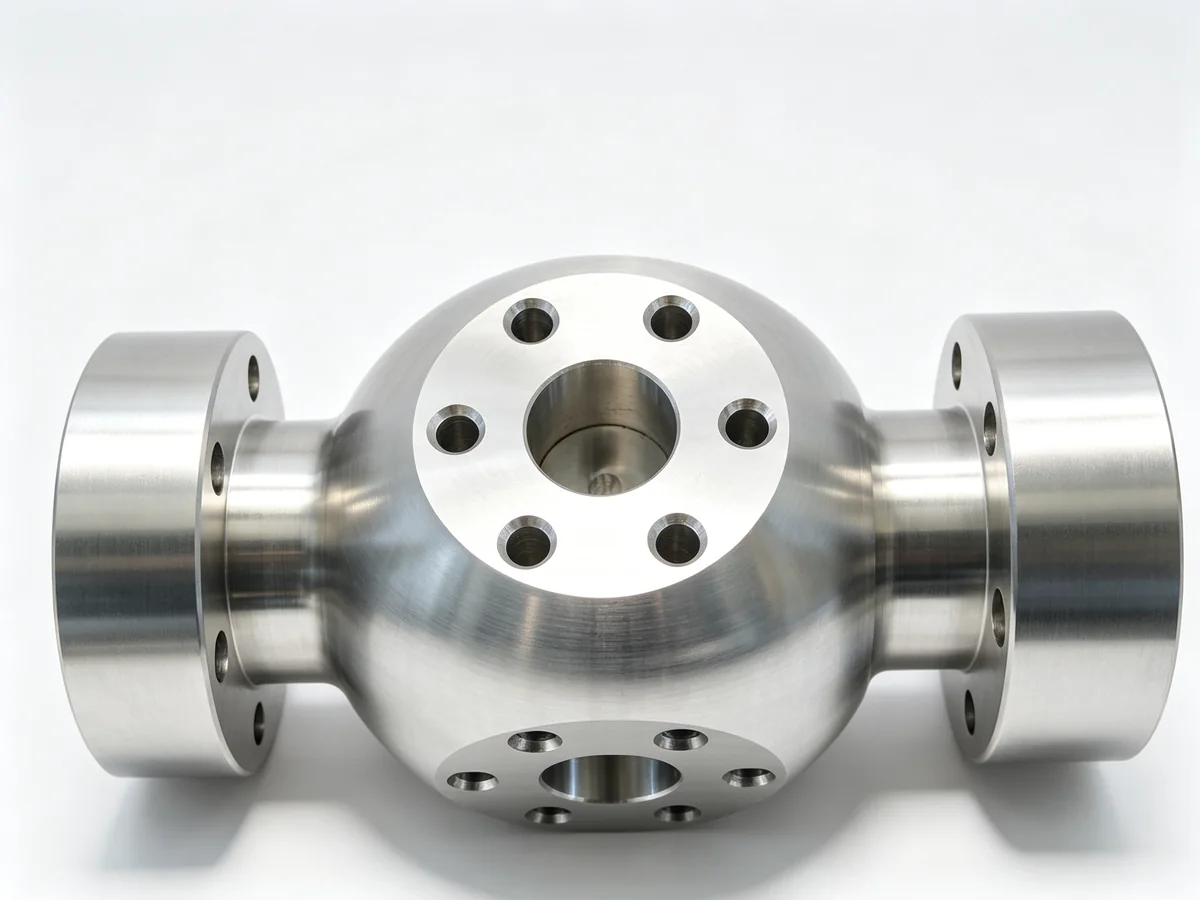
The housings are where agricultural work becomes genuinely dimensional. A disc hub or a bearing housing usually carries a bore, a flange pattern and a face that has to agree with all of them, and the features often sit at right angles to each other. Held as a one-off on a vertical machine, each face needs its own clamp and the relationship between them depends on how carefully the operator re-dials the part.
A vertical machining center with a rotary table covers most implement housings, and a four-axis VMC855 will machine the flange pattern and the bore of a medium hub in one setup. When the part is a box or a gearbox-style housing with bores on several faces, a horizontal machine earns its keep because the table indexes while the part stays clamped, and the chips fall clear of the cut instead of being re-cut.
Gripping parts that are not clean
Agricultural parts are harder to hold than they look. A rough forging is not round, so three jaws on the raw skin will produce a part that runs out. A casting with a hard spot will push the tool away and leave a taper in the first bore. A sheet-metal bracket will ring and flex unless it is supported underneath.
- Turn the first side on the raw blank, then grip on the finished bore or a machined step for the second operation, so the jaws have something true to hold.
- Pre-machine soft jaws to the part diameter for anything produced in a batch, and keep clamp pressure consistent from the first part to the last.
- Support thin brackets and rims from underneath, and reduce the feed where an interrupted cut crosses a hole or a slot.
- Take the scale off with a light first pass before committing to a heavier cut, rather than pushing the tool straight into the skin.
- Program chip exits deliberately on deep bores, because a packed bore on a dirty casting is the fastest way to scrap a part.
Batch discipline and what a buyer should ask for
Agricultural parts are bought in batches, and the risk is drift. The second half of a run has to match the first, which means the clamp pressure, the tool offsets and the datum stay recorded rather than remembered. When the part pairs with something, such as a pin running in a bushing or a shaft running in a bearing seat, the fit and the runout are what the field will judge, and those are the numbers a supplier should be able to show on an inspection record for every batch.
We keep machine accuracy figures out of our published material for export control reasons, so this article stays with the process. If you need the specifics for a particular part, send the drawing and we will quote from there.
FAQ
Can you machine a forged or cast blank that is still rough?
Yes. The first operation is planned to take the scale and the skin without damaging the insert, and the part is then gripped on a machined surface for the operations that matter.
Do you handle splines and keyseats on shafts?
Both. Keyseats and index features are cut on a machining center, and splines are milled on a four-axis machine for small and medium batches. At high volume a dedicated process is cheaper per piece and we will say so.
What do you need to quote an agricultural part?
The drawing, the material and any heat-treatment callout, the batch size, and the mating part if a fit or a centre distance matters. A photo of the blank condition helps more than people expect.
Do you machine stainless parts for sprayers and fertilizer equipment?
Yes. 304 and 316 are common on those jobs, and the tooling and coolant are selected for the grade rather than the part shape alone.
Contact Handemo CNC | Email: sales1@handemocnc.com | WhatsApp: +86 135 6320 3038