CNC Machining Construction Machinery Parts
Construction machinery parts have a habit of looking coarser than they are. A bucket link or a track frame bracket is a chunky steel or iron piece, and it is easy to treat it as rough work. But a pin bore that is out of line by a few hundredths will not take a pin, an arm that does not match its mating part will not assemble on the line, and a machine that is down in the field waiting for a spare link is losing money by the hour. This guide covers how the structural and bearing parts of construction and heavy equipment are machined: the shapes, the materials, the setups, the machines and the checks that keep a batch assembling.
What Counts as a Construction Machinery Part
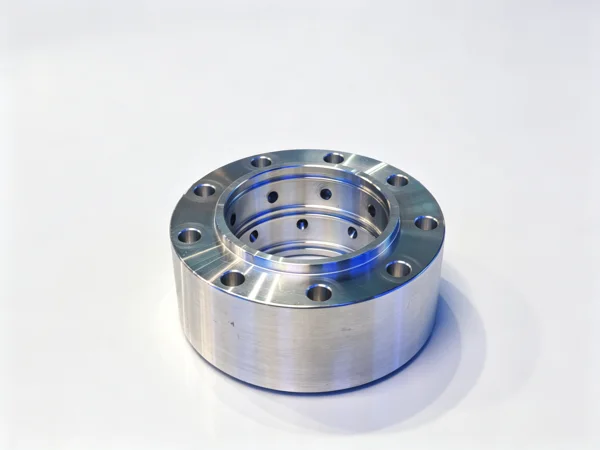
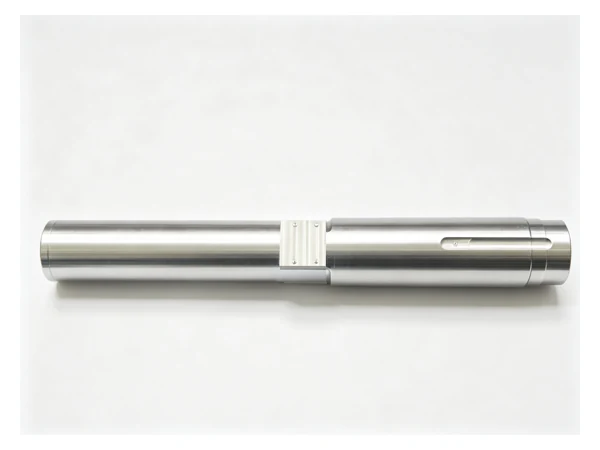
The family is broad, but the work falls into a few groups. There are the pin-and-bushing parts: bucket links, arm and boom pivot brackets, tilt and linkage arms, quick-coupler plates. There are the frame and housing parts: track frame sections, axle housings, swing gearbox housings, brake housings, drive cases. There are the attachment parts: blade and bucket components, teeth and adapters, cutting edges with their bolt patterns. And there are the hydraulic parts: cylinder barrels, rods, heads and caps, which are the parts that carry the pressure.
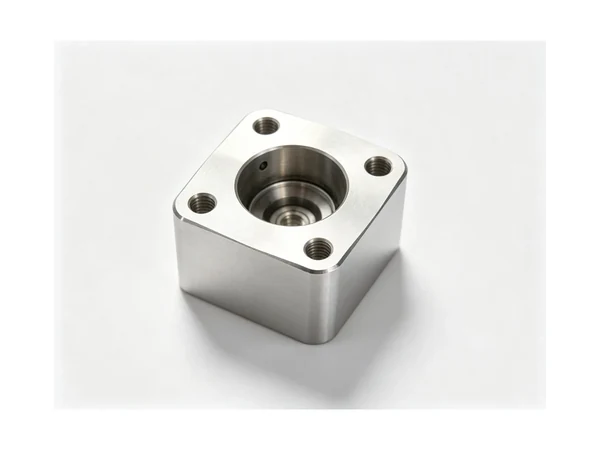
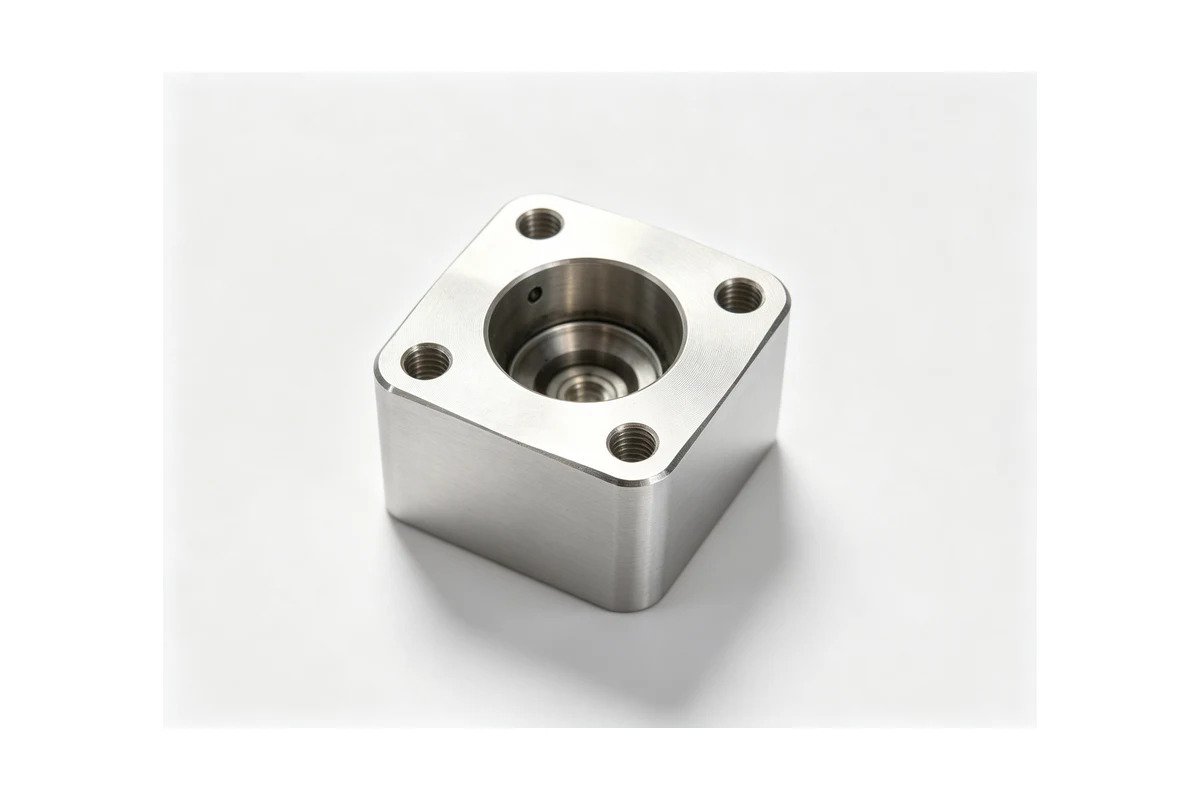
What these shapes share is that the surfaces that matter are the bores and the mounting faces, and those are widely separated on a part that is heavy and awkward to hold. A bucket link may be a metre long with a bore at each end. A swing housing is a shell with a large bore and a bolted flange. A cylinder head is a disc with a bore, a seal groove and a bolt circle. Machining is often a smaller share of the route than setting up and handling, which is what makes the planning worth doing.
Materials
Welded steel fabrication dominates the structural parts. Plates in S355, Q345, A36 and similar grades are cut, formed and welded, and the machining is the finishing of the weldment rather than the making of it. The consequence is weld distortion: a fabricated link arrives spring, with the pin bores pulled out of line, so the bores have to be established from a machined reference rather than from the fabricated outline.
Castings appear where the shape repeats and the volume justifies a pattern - ductile iron swing housings, steel or iron axle housings, cast adapters. Steel bar and forgings are used for pins, bushings and heavily loaded small parts where a casting would not carry the load. Aluminium turns up on cab structures and some housings, where the weight matters more than the strength.
Two habits follow. A weldment has to have its stress dealt with before the finishing cuts, which for a heavy fabrication means cutting after the welding has cooled and, where the drawing calls for it, after stress relief. A casting arrives with skin that has to come off before anything is measured from it. In both cases, rough and finish are separate operations with the part left to settle in between.
Machines for This Work
The structural parts are mostly a boring and facing job on a large part, and that is the territory of a heavy-duty vertical machine. The high-precision heavy-duty machining center range is built for it: a wide, heavy base to carry the weight without the machine leaning into the cut, and enough travel to reach a bore at one end of the part and a face at the other in the same setup. Smaller links, brackets and plates run on the standard models, including the VMC1160 for parts that fit a 1200 mm class table.
Where a part has bores on more than one axis, or the same part is made in a batch, a horizontal machine does the work with a fixture and an indexing pallet instead of a re-clamp. The HMC630-DT handles the mid-size housings and brackets in this family, and the multi-station models take the work when the volume justifies them. The hydraulic parts are turning work: cylinder barrels and rods run on the TCK6350B heavy-duty slant bed lathe, where a long part and a heavy wall need the rigidity.
Datum and Sequence for a Link or Bracket
On a fabricated link the datum cannot be the fabricated outline, because the weld pull and the plate tolerance put it somewhere different on every part. The datum has to be a machined surface. In practice this means machining the mounting face or the end face first, using it to establish the reference, and then boring the pin holes from that reference so the hole-to-hole relationship is set by the machine rather than by how the plates happened to land.
The sequence that works runs: face the reference and the mounting surfaces, establish the datum, rough the bores and leave an allowance, let the part settle, then finish the bores and the faces. Where two bores have to be parallel and on a common axis, they are cut in one setup with the part indexed or with an extended boring arrangement, rather than being bored in two setups and re-referenced.
Holding Heavy, Awkward Parts
The difficulty with these parts is not the cutting force. It is that a long fabrication held only at one end will deflect, and a thin-walled housing clamped hard enough to be safe will close its bore. We support the part under its stiffest sections, clamp on machined surfaces rather than on raw weld, and keep the clamp pressure as low as the job allows. Where a bore is large and the wall is thin, the part is held on a face plate or on a fixture that supports the bore while it is cut, the same way a thin ring is machined.
Temperature and settling matter as much on this work as on any precision part. A fabricated link that has just been welded and cooled in a cold shop will move as it warms, and a housing that has just been roughed will move as the cut releases. The finishing cuts are taken with the part settled and as close to free as the setup permits.
Checks That Keep a Batch Assembling
A construction machinery part is checked against the thing it has to fit. The pin bores are checked for size, for roundness and for alignment with each other. The mounting faces are checked for flatness and for squareness to the bores. The hole patterns are checked with a gauge or against the mating part, because on a fabricated link the bolt pattern and the bore have to agree even though they are cut from different references.
The check that catches the most problems on a batch is a trial fit of the mating pin, bushing or bracket. That is the test that shows whether the bores and the faces are working together, which is the thing no single dimension on the drawing describes. On field-facing parts, that check matters more than the individual numbers, because the part that does not fit is the part that stops a machine.
Frequently Asked Questions
Can you machine welded fabrications as well as castings?
Yes, and they are a large part of this work. A welded link or bracket is machined from a machined reference rather than from the fabricated outline, because the welding pulls the part and the plate tolerance moves the surfaces. Where the drawing calls for it, the part is stress-relieved before the finishing cuts.
How do you hold a long, heavy part without it deflecting?
Support it under the stiff sections, clamp on machined surfaces rather than on raw weld or casting skin, and keep the clamp pressure as low as the job allows. Where the part is flexible, it is held on a face plate or in a fixture that supports the bore while it is cut. The sequence also matters: rough, settle, then finish, so the part is not finished while it is still moving.
What material are construction machinery parts usually made from?
Structural parts are welded steel plate in grades such as S355, Q345 and A36. Housings are ductile iron or cast steel. Pins, bushings and small heavily loaded parts are steel bar or forgings. Aluminium is used where weight matters more than strength, such as cab structures and some housings.
Do you machine hydraulic cylinder parts for construction equipment?
Yes. Cylinder barrels, piston rods, heads and caps are turned on a heavy slant bed lathe, where the bore and the outside diameter come off the same axis in one setup. The hydraulic parts carry pressure, so the sequence is planned around keeping the bore, the seal grooves and the mounting faces on one reference.
Get a Machining Plan for Your Parts
Send us the drawing - the pin bores and their alignment, the mounting faces, the material and whether the part is a weldment or a casting, and the batch size - and Handemo will recommend the right machining center, horizontal machine or lathe and the process sequence to go with it. Contact Handemo CNC | Email: sales1@handemocnc.com | WhatsApp: +86 135 6320 3038
Related reading: Application Guides covers the other industries we machine for, CNC Machining Steering Knuckles deals with the same bore-alignment problem on an automotive part, and VMC vs HMC explains when a bracket has enough sides to justify a horizontal machine.