
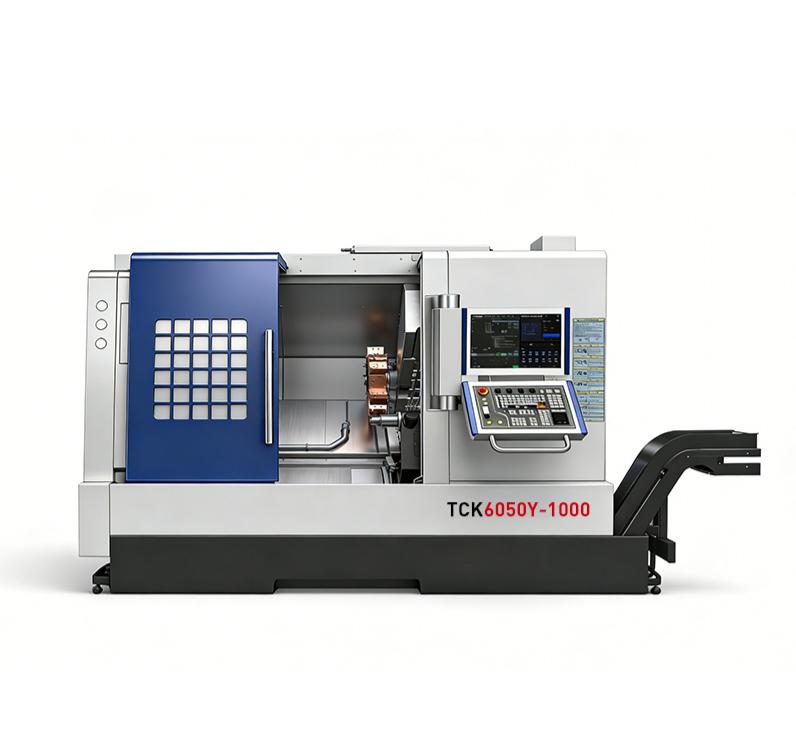
CNC Mill-Turn Machines
Product List
Download Catalog
CNC Mill-Turn Machines
Power-Turret Y-Axis Mill-Turn Centers
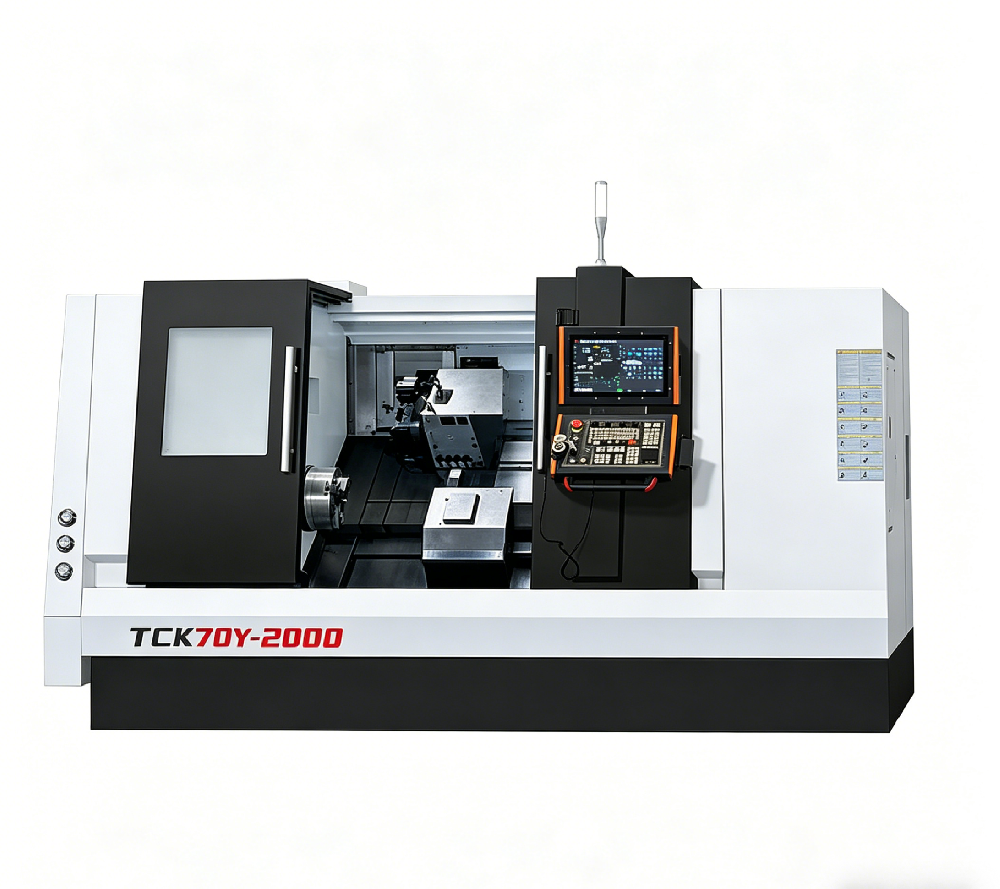
70Y CNC Mill-Turn Machines
View DetailsY-Axis CNC Turning and Milling Machines
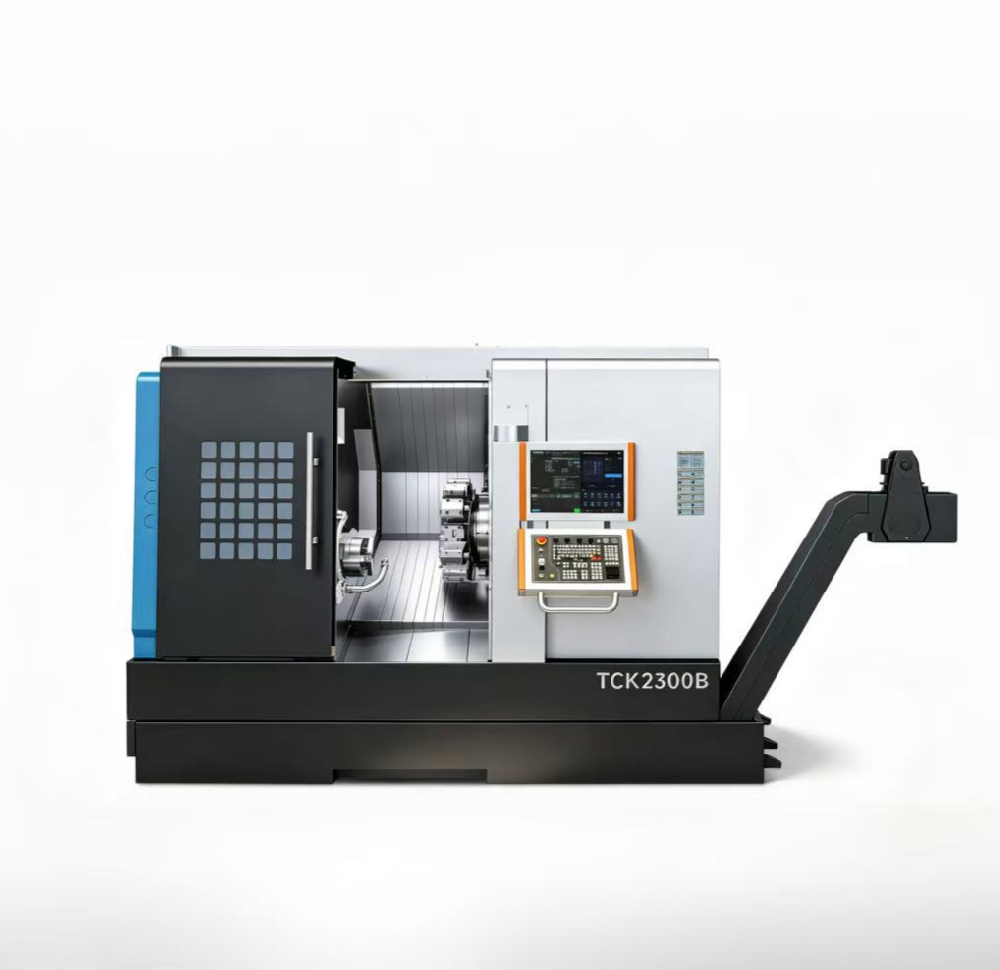
TCK2300B CNC Mill-Turn Machine
View Details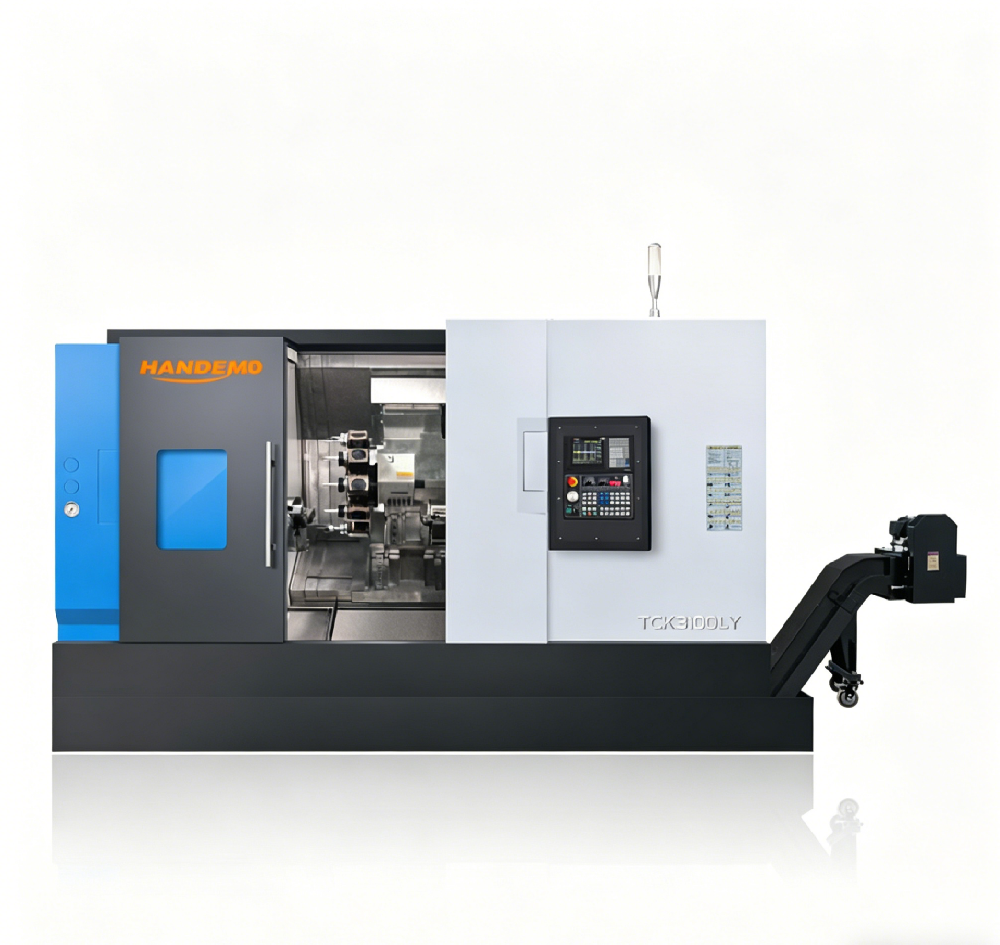
TCK3100LY CNC Mill-Turn Machine
View Details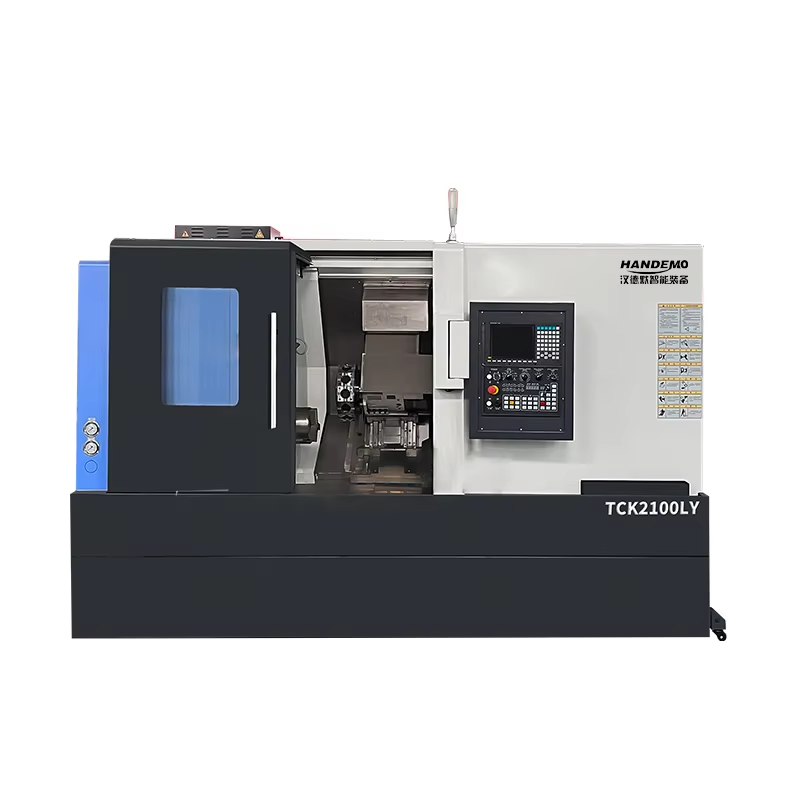
2100LY CNC Mill-Turn Machine
View DetailsDual-Spindle CNC Mill-Turn Machines
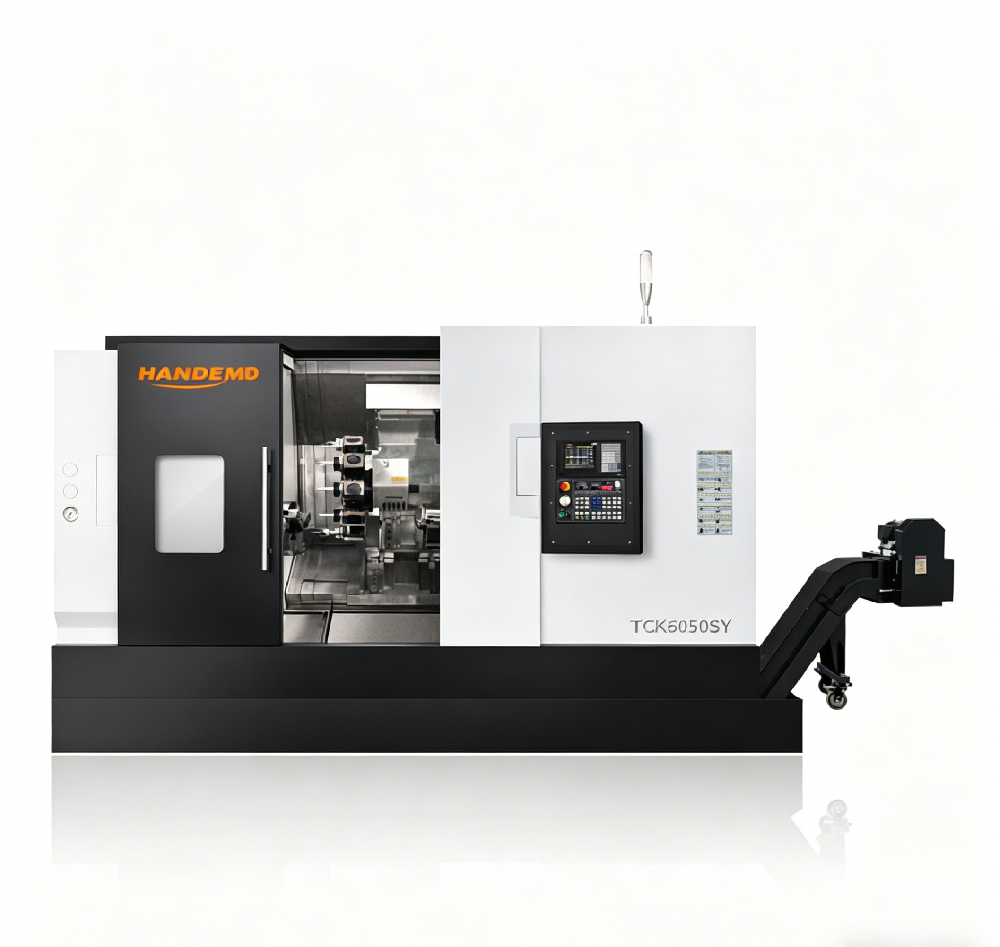
TCK6050SY CNC Mill-Turn Machine
View Details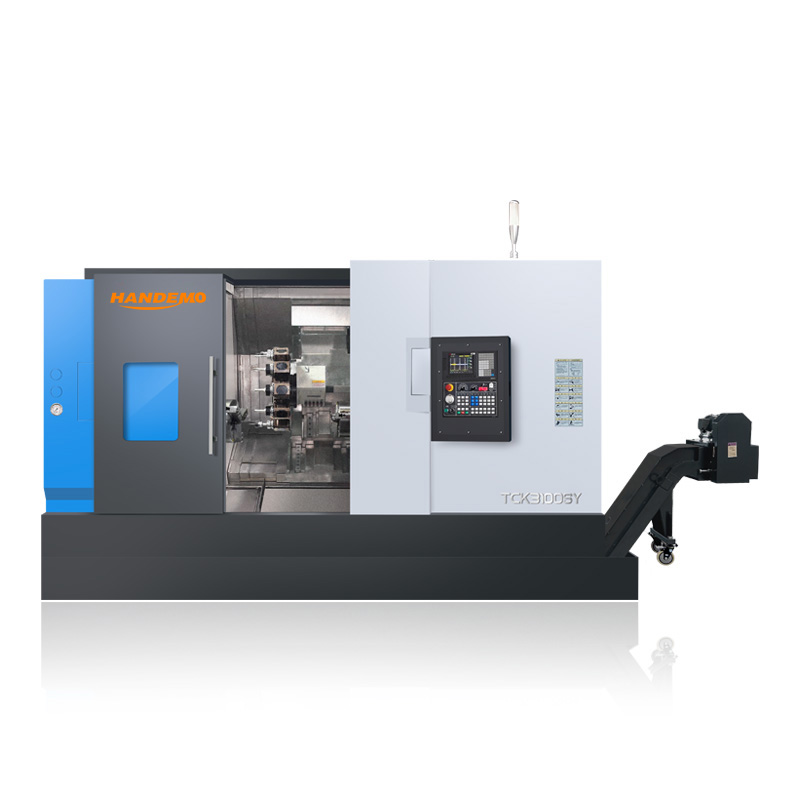
3100SY CNC Mill-Turn Machine
View Details5-Axis CNC Mill-Turn Machines
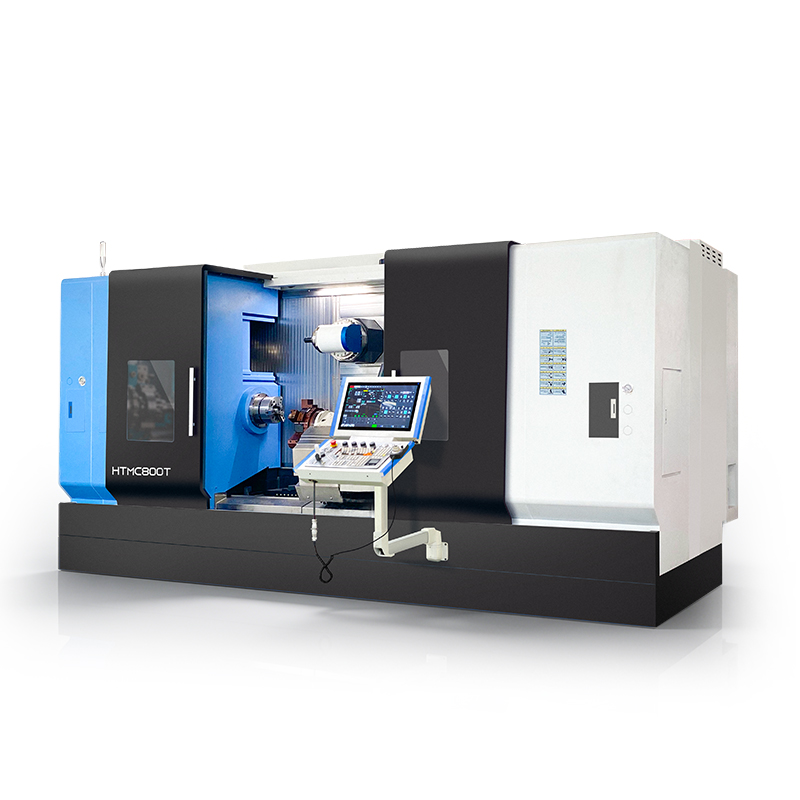
HTMC800T Mill-Turn Machines
View Details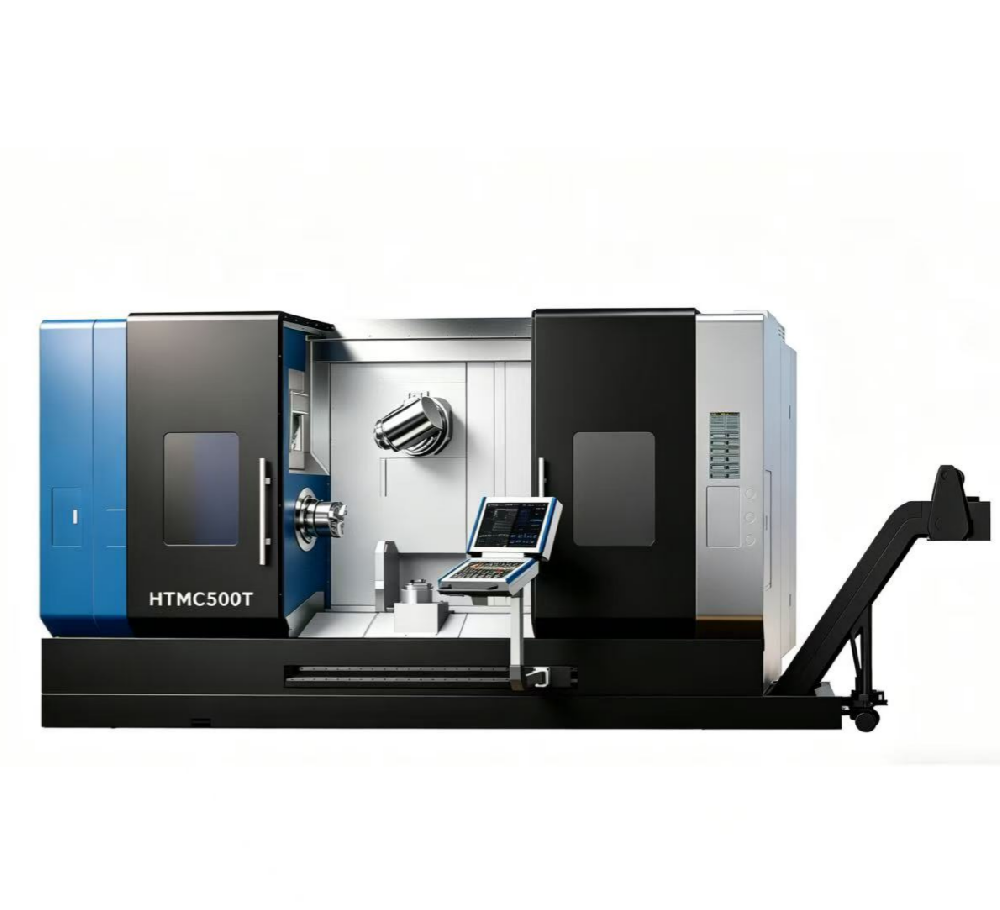
HTMC500T CNC Mill-Turn Machine
View Details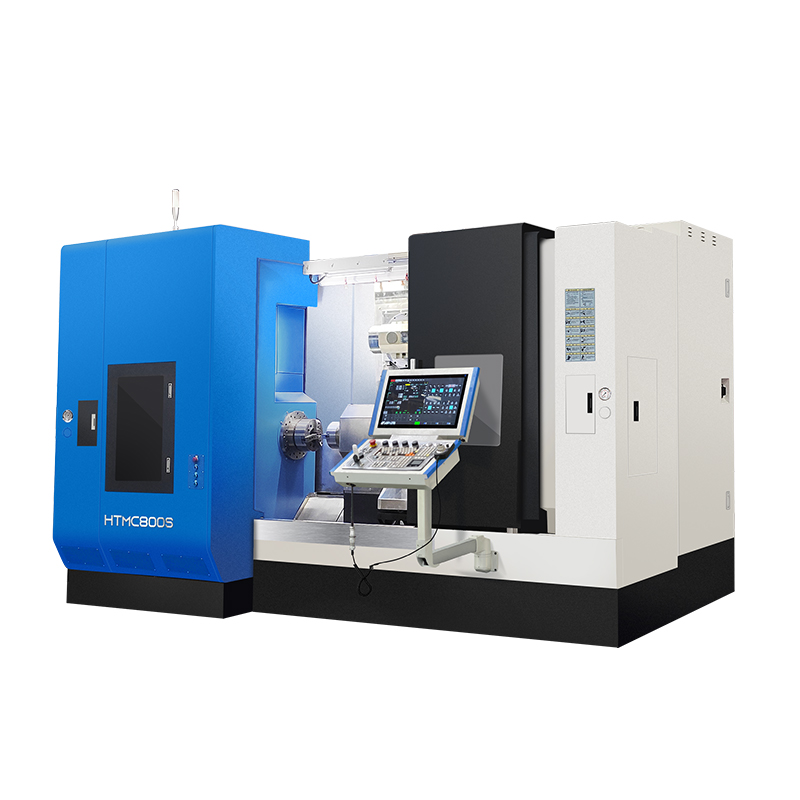
HTMC800S CNC Mill-Turn Machine
View DetailsLarge-Bore CNC Pipe Threading Lathes
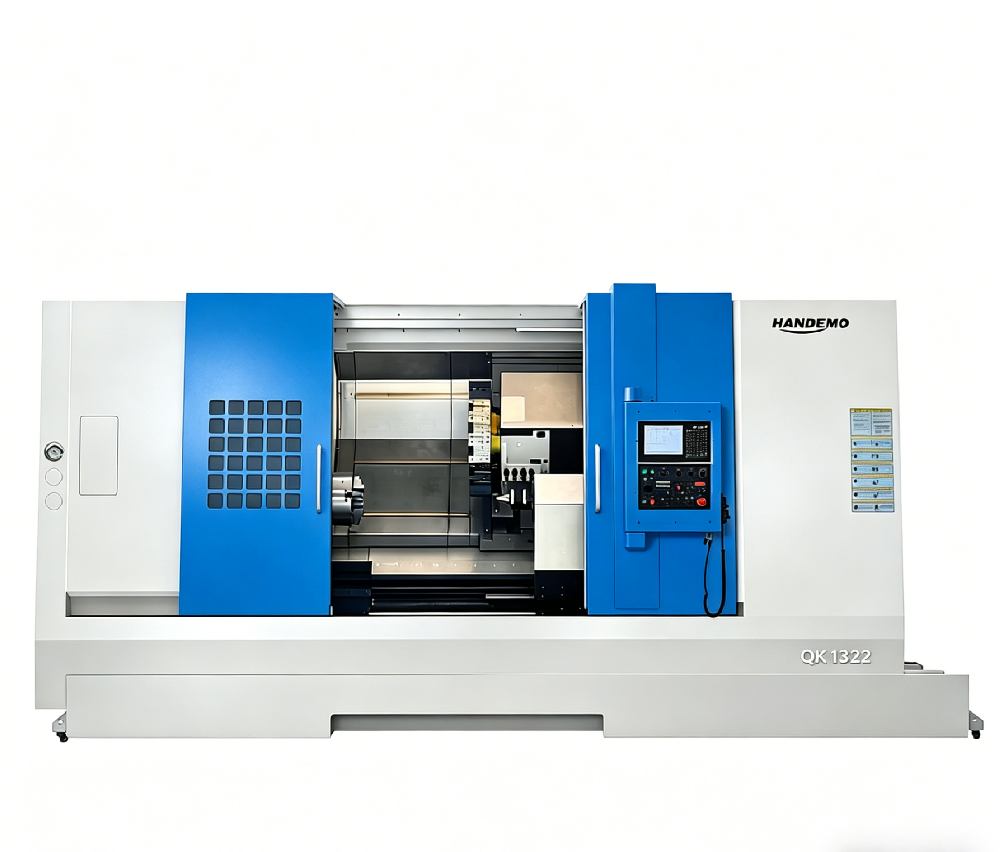
QK1322 CNC Mill-Turn Machine
View DetailsComplete Turning and Milling in Fewer Setups
CNC mill-turn machines combine turning with powered-tool milling, drilling and related operations so complex parts can be completed with fewer transfers. Reducing refixturing can shorten lead time, improve feature-to-feature consistency and simplify work-in-process control.
Handemo offers power-turret Y-axis centers, Y-axis turning and milling combinations, dual-spindle machines, 5-axis mill-turn machines and a large-bore pipe threading model. Buyers can first choose the right machine architecture, then compare individual specifications.
How to Select a Mill-Turn Machine
Start with the complete part drawing and process plan. Important inputs include bar or blank size, part length, turning diameter, off-center features, milling angles, back-working requirements, tolerance, surface finish, tooling, batch size and automation plans.
Send Handemo your drawing, material and production target. Our team can help identify which architecture and model should be evaluated before quotation.
Frequently Asked Questions
When does mill-turn machining make sense?
It is most valuable when a part requires both turning and significant milling or drilling, especially when multiple setups create alignment, handling or lead-time problems.
Do I need a Y axis or a 5-axis machine?
The answer depends on feature position and tool orientation. Cross holes and flats may suit a Y-axis machine, while multi-angle surfaces can require a more capable 5-axis configuration.
Mill-Turn Machine Architecture Comparison
Choose the architecture first, then the model. This table summarizes the five Handemo mill-turn platforms.
| Architecture | Key Capability | Typical Models | Best For |
|---|---|---|---|
| Power-Turret Y-Axis | Turn + off-center milling with Y axis | 70Y, TCK6050Y | shafts, connectors, valve components |
| Y-Axis Turning & Milling | Live-tool milling on turning platform | 2100LY, TCK3100LY, TCK2300B | predictions shafts, fittings, couplings |
| Dual-Spindle | Front + back machining in one flow | 3100SY, TCK6050SY | bar-fed parts, bushings, connectors |
| 5-Axis Mill-Turn | Multi-angle milling + turning | HTMC800S, HTMC500T, HTMC800T | complex multi-angle parts, aerospace |
| Large-Bore Pipe Threading | Spindle capacity for long tubes & threads | QK1322 | oil-gas pipe, drill collars, long tubular parts |
How to Select a Mill-Turn Architecture
Start with the part features. If you mainly turn and need occasional off-center holes, a Y-axis or power-turret machine fits. If parts need both ends done in one flow, dual-spindle. For features at several angles, a 5-axis mill-turn. Long threaded pipe needs a large-bore machine. Match the architecture to your real part mix, not the largest single job.
Get a Mill-Turn Recommendation
Send us the complete part drawing, material and production target, and Handemo will recommend the right mill-turn architecture and configuration.