Marine and Shipyard CNC Machining: Fit-Up Before Tolerance
The first marine job most shops get is a small one: a set of deck fittings, a pump housing, a few bearing housings for a harbour tug. It arrives with a drawing that looks ordinary, and it is quoted like any other fabrication job. Three weeks later the same customer sends photographs of a base plate that will not sit down, and a question that is not about machining at all. Why did the holes move?
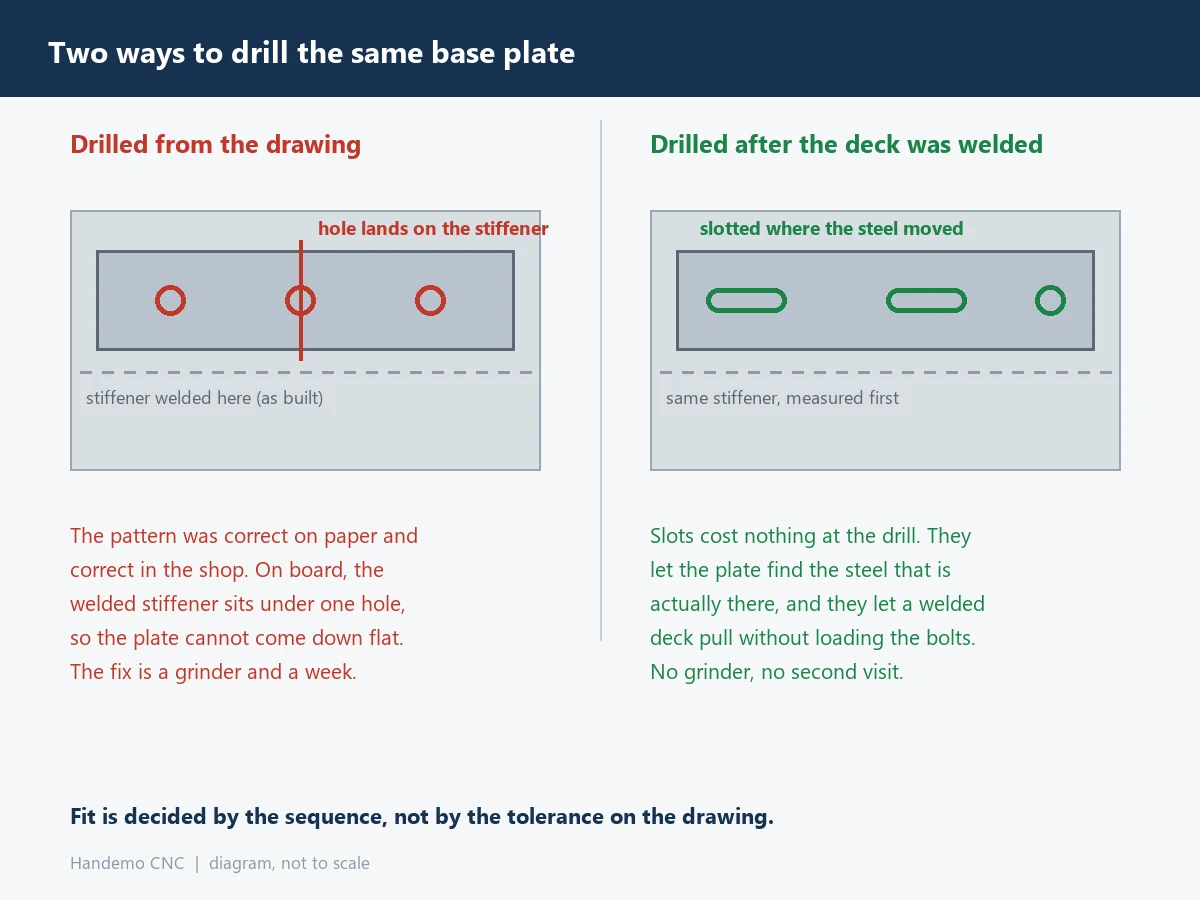
They did not move. The steel moved, and the holes were drilled before it did. That single sequence mistake is behind more rework in marine work than any choice of cutting tool, and it is the reason this guide is organised around fit-up rather than around spindle speeds. Ships are not built to a single datum the way a gearbox is. A hull is welded plate by welded plate, and every bracket that bolts to it inherits whatever the welder left behind.
This is one of our application guides, written from jobs that come through our own shop and from what customers send back after installation. It covers the part families that repeat in marine and shipyard work, the materials that make them awkward, why the weld is the datum and not the drawing, and where a vertical machining centre, a boring mill or a lathe actually earns its place. If you machine hydraulic blocks or automotive housings, the clamping sections will read differently; the material section will not.
What Shipyards Actually Order From A Machine Shop
The parts are rarely exotic. They repeat, and they repeat in families, which is what makes the work worth quoting properly.
Deck and hull hardware
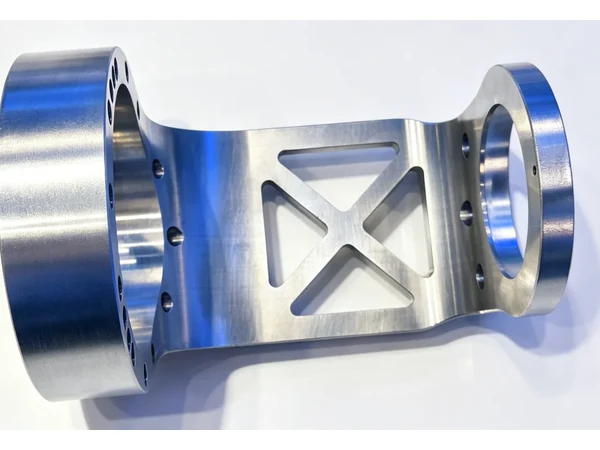
Bollards, cleats, fairleads, hatch hinges, lashing eyes, mooring brackets, stanchion bases. Mostly mild steel or 316L stainless, often hot-dip galvanised after machining. These parts are simple in shape and brutal in service: they are loaded by a rope or a chain in a direction the drawing did not anticipate, and they are inspected by a classification society rather than by the customer's own quality team.
Winch and windlass components
Drums, drum flanges, brake discs, shaft ends, bearing housings, gearbox adaptor plates. This is lathe work with a milling operation on the end of it, and the drum flange is where the runout shows up. A drum that runs out will wear its wire rope unevenly, and the complaint arrives a year later as short rope life rather than as a machining defect.
Sea water and cooling system parts
Pump casings, impellers, wear rings, strainer bodies, valve bodies, pipe flanges. Materials here are 316L, duplex 2205, super duplex, or a copper alloy such as bronze or cupronickel. Nothing about the shape is difficult. The material is what makes it a different job from the same part in carbon steel.
Shafting and stern gear
Shaft brackets, stern tube bearing housings, rudder stock components, coupling flanges. Large diameters, long bores, and a fit that has to line up with a bearing pressed in somewhere else. This is where horizontal boring work and large swing lathes come in, and where the setup decision is worth more than the cycle time.
Structural and machinery seatings
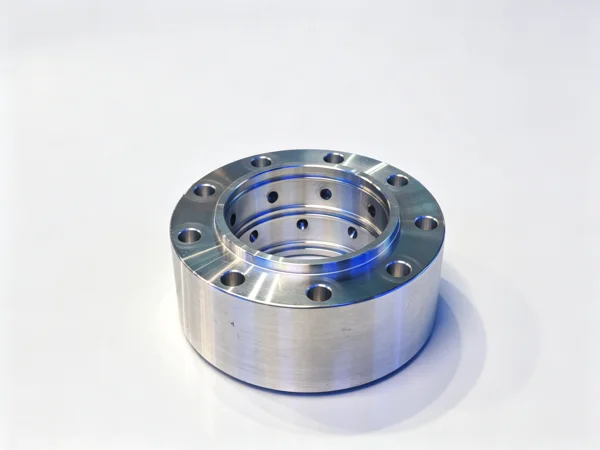
Engine seatings, generator base frames, pump base plates, welded foundations, machinery raft frames. These are weldments first and machined parts second, and they are the source of most of the fit-up complaints described above.
The Weld Is The Datum, Not The Drawing
In a gearbox, the casting is stress-relieved before it is machined, and the machining establishes the datum. In a welded marine fabrication, the welding establishes the datum, and it does so while the part is still moving. A base plate welded to a deck with eight stiffeners underneath will pull as each run cools. The plate that was flat on the bench has a hollow in the middle and a rise at two corners by the time the last pass is chipped.
There are two honest ways to deal with that, and they lead to different drawings.
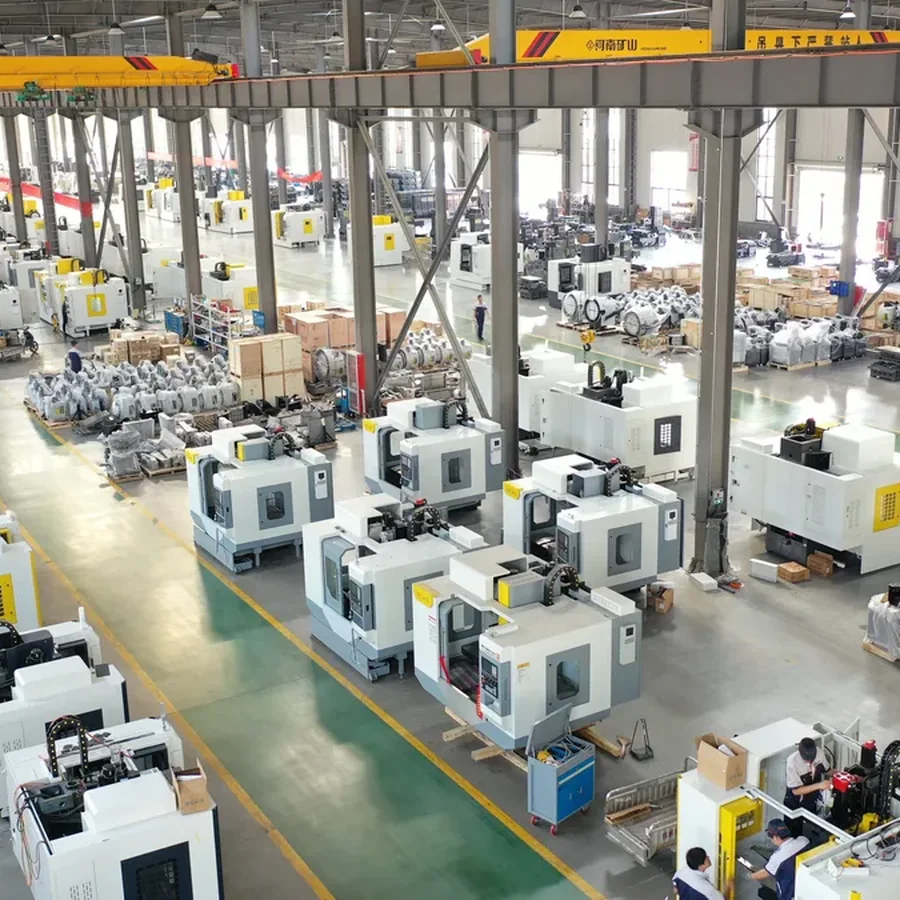
The first is to machine the weldment after stress relief and after the welding is finished — everything, including the faces that bolt to the hull. This is the correct answer whenever the schedule allows it, because every cut is then taken from metal that has already stopped moving. It also means the shop needs a machine large enough to take the whole frame, which is a different purchasing conversation from buying a machine for individual brackets.
The second is to machine the small parts first and let the assembly take up the difference with slots, shims and oversize holes. That is not a compromise if it is designed in. It is a compromise when it is discovered on board by a fitter with a die grinder.
What a drawing can carry that a weldment cannot
A hole position on a weldment is a wish unless the part was machined after welding. What a drawing can legitimately specify is a hole position relative to a machined face, with the bolt hole slotted in the direction the steel is expected to move. Two of the three bolts round and one slotted is a normal marine detail. Three round holes on a welded deck plate is a rework order waiting for a shipyard.
Materials That Change The Job
Marine work is where a shop meets alloys it does not otherwise see, and the differences are practical rather than academic.
316L and duplex stainless
Austenitic stainless work-hardens under the cut and holds heat. Duplex 2205 is stronger and less forgiving: it is sensitive to heat input, and a heavy interrupted cut that smears the surface can leave a layer that behaves differently from the metal underneath. Both want a rigid setup and a cut that stays under the work-hardened skin rather than rubbing along it. If your shop already machines stainless steel shafts, the same rules carry over; the difference is that marine parts are often large and thin-walled, so rigidity is harder to buy.
Bronze and copper alloys
Pump impellers, wear rings, stern tube bushes and valve parts are frequently bronze. Bronze cuts freely and deflects easily, which is a bad combination: the tool is not fighting the metal, so the setup is what determines the result. A thin bronze bush held in a three-jaw chuck will come out oval no matter how light the finishing pass.
Hot-dip galvanising after machining
Galvanising adds a layer to every surface it touches, including the inside of every hole. A bolt hole that is a close fit before galvanising is not a close fit after, and a tapped hole needs to be cut oversize or protected. This is a drawing-and-process conversation, not a machining one, and it belongs in the quote rather than in the complaint.
Castings with a history
Marine castings are often old patterns, repaired castings, or replacements for a part that has been in service for twenty years. A replacement pump casing cast from a worn pattern will not match the drawing at the flange, and the shop that measures the casting before it cuts is the shop that ships on time.
Matching The Machine To The Part
Four machine types cover almost all of it, and the split is decided by which face has to be true to which.
| Part family | Usual machine | What decides the setup |
|---|---|---|
| Deck fittings, brackets, lashing eyes | Vertical machining centre with a fixture plate | Batch size. Ten identical parts want a plate with ten stations, not ten setups. |
| Winch drums, flanges, brake discs | Slant bed lathe, or a turn-mill for the bolt circle | Whether the bolt holes can be drilled in the same grip as the bore. |
| Pump casings, valve bodies, bearing housings | Horizontal machining centre or a boring mill | How many faces need to be true to the bore, and whether a pallet can be indexed instead of re-clamped. |
| Engine seatings, raft frames, base plates | Gantry or a large travelling-column machine | The frame has to fit on the table after welding, which sets the machine size before any cutting decision. |
| Shaft brackets, stern tube housings | Horizontal borer, or a large swing lathe | Bore-to-face squareness on a part that is too big to indicate comfortably. |
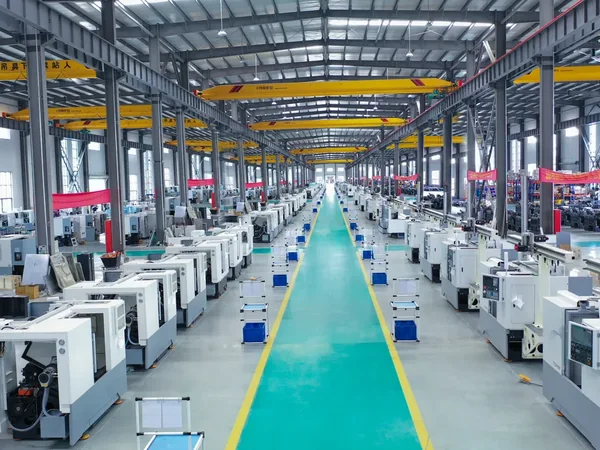
For deck hardware and smaller brackets, a VMC1890 with a dedicated fixture plate is the usual answer: the travels let a batch of ten stations sit on the table at once, and the operator reloads while the next plate cuts. For winch drums and flange work, a heavy-duty slant bed such as the TCK80B-1500 handles the diameter and the bore length without the part hanging out of the chuck. Where the part needs a bore and a face true to each other on four sides, the setup count argument in HMC vs VMC for multi-face parts applies directly, and the pallet sizes in HMC pallet size: 630 vs 800 vs 1,000 mm decide whether the casing fits at all.
Where Marine Jobs Go Wrong In The Shop
Five failures repeat often enough to be worth naming.
Quoting the part and not the batch. One stainless bollard is a fixture problem. Twenty is a fixture investment that pays back on the second one. The shops that lose money on marine work usually quote the drawing and discover the batch size at delivery.
Machining before stress relief. Covered above, and it is still the most common. If the weldment is going to be stress-relieved, the relief happens before the first cut, not after the roughing pass.
Holding a thin bronze or stainless shell in a three-jaw chuck. The chuck is round. The part becomes round while it is held and oval when it is released. A bored soft jaw, a expanding mandrel or a faceplate with clamps is the fix, and it costs an hour of setup to save a rejected part.
Ignoring the galvanising allowance. Threads and close-fit holes have to be cut for the coating. The customer discovers it at assembly, and by then the parts are at the galvaniser.
Treating the classification survey as paperwork. Marine parts are often inspected against a witness point: material certificates, a dimensional record, sometimes a surface check. A shop that can produce a measurement record per part loses far fewer arguments than one that cannot.
Consistency Without Chasing Numbers
The marine customers we deal with rarely ask for the tightest tolerance on the drawing. They ask for the same fit on the tenth part as on the first, because the tenth part is being bolted to a hull built by someone else and the fitter has one adjustable spanner and no grinder. Consistency is the deliverable.
That puts the emphasis on the fixture, the tool life record and the in-process check rather than on the machine's specification sheet. A stable process on a rigid machine beats a tighter claim on a machine that has to be coaxed. It is also the reason we publish machining notes rather than tolerance tables: the number on a brochure does not survive contact with a welded deck plate.
One thing worth saying plainly, because it is asked on almost every marine enquiry: we build the machines, and we do not build ships. When a job is a weldment that will not fit, the answer is usually a sequence change in the fabrication, and we will say so rather than sell a larger machine. If you want a second opinion on which face to cut first, send the drawing. It is a shorter conversation than a rework claim. For a worked example of the same argument on a large casting, the pump casing machined in two setups on an HMC follows the same logic from the other direction.
Questions We Get Asked About Marine Machining
Can you machine duplex 2205 without special tooling?
Yes, with the right grade of carbide and a cut that gets under the worked surface instead of rubbing it. Duplex rewards rigidity more than it rewards exotic tooling, and it punishes a setup that flexes.
Do marine parts need to be machined after galvanising?
Only the fits. Galvanising is normally the last operation, and any surface that has to be a fit or a thread is either masked or cut oversize beforehand. Re-machining galvanised steel removes the protection and leaves bare metal in the most exposed place on the part.
What is the largest welded frame you can machine in one setup?
It depends on the machine, not on the part. The practical question is the table length and the height under the spindle, and both have to be settled before the frame is welded, because a frame welded to fit a table is cheaper than a table bought to fit a frame. Send the frame drawing and we will tell you which of our gantry and travelling-column sizes covers it.
How do you hold a thin bronze bush without squashing it?
Bore the jaws to the finished diameter, or turn it on a mandrel between centres. Either way the clamping force is spread over the full circumference instead of three points, and the part comes out round when it is released.
Is a horizontal borer always better for stern gear?
Better for the bore, not always better for the part. If the housing also needs a face and a bolt pattern, a horizontal machining centre with a pallet can do the lot without re-clamping. If the bore is long and the part is heavy, a borer with a facing head is the calmer choice. The deciding question is how many faces need to be true to the bore.
Can the same fixture run brackets and pump housings?
Rarely, and trying to force it costs more than two fixtures. A fixture plate with a grid of tapped and bored stations handles the bracket families; the housings want jaws or a tombstone. Two fixtures on one machine is normal practice.
Contact Handemo CNC | Email: sales1@handemocnc.com | WhatsApp: +86 135 6320 3038
Send a drawing through our drawing upload page if you want the setup questioned before the part is quoted. More guides like this one are filed under application guides.