CNC Machining Bushings, Sleeves and Ring Parts
A bushing is one of those parts that looks like a five-minute job and then eats a week. It is a cylinder with a bore, sometimes a flange, sometimes a step, and on the drawing it is two diameters and a length. In the shop it is a thin-walled ring that closes up when you clamp it, distorts when you release it, and comes back from inspection oval. This guide covers how bushings, sleeves and ring-type parts are actually turned: the materials, the holding, the sequence, the machines and the checks that keep a batch round.
What Counts as a Bushing, Sleeve or Ring Part
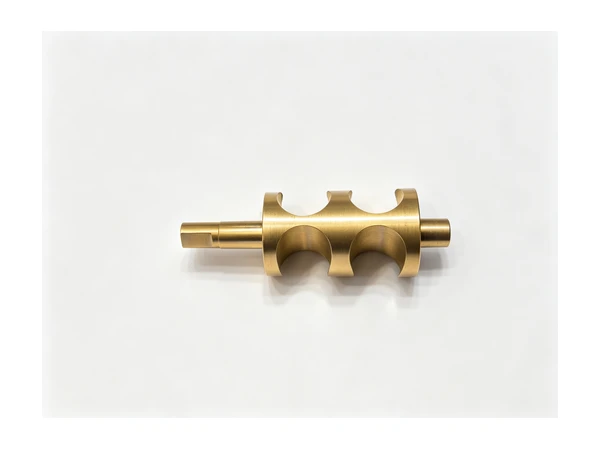
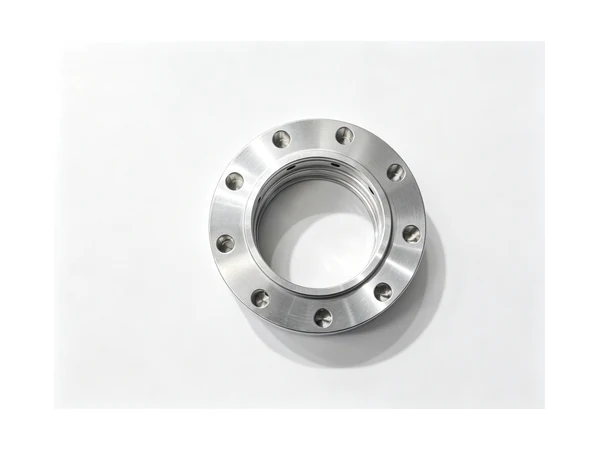
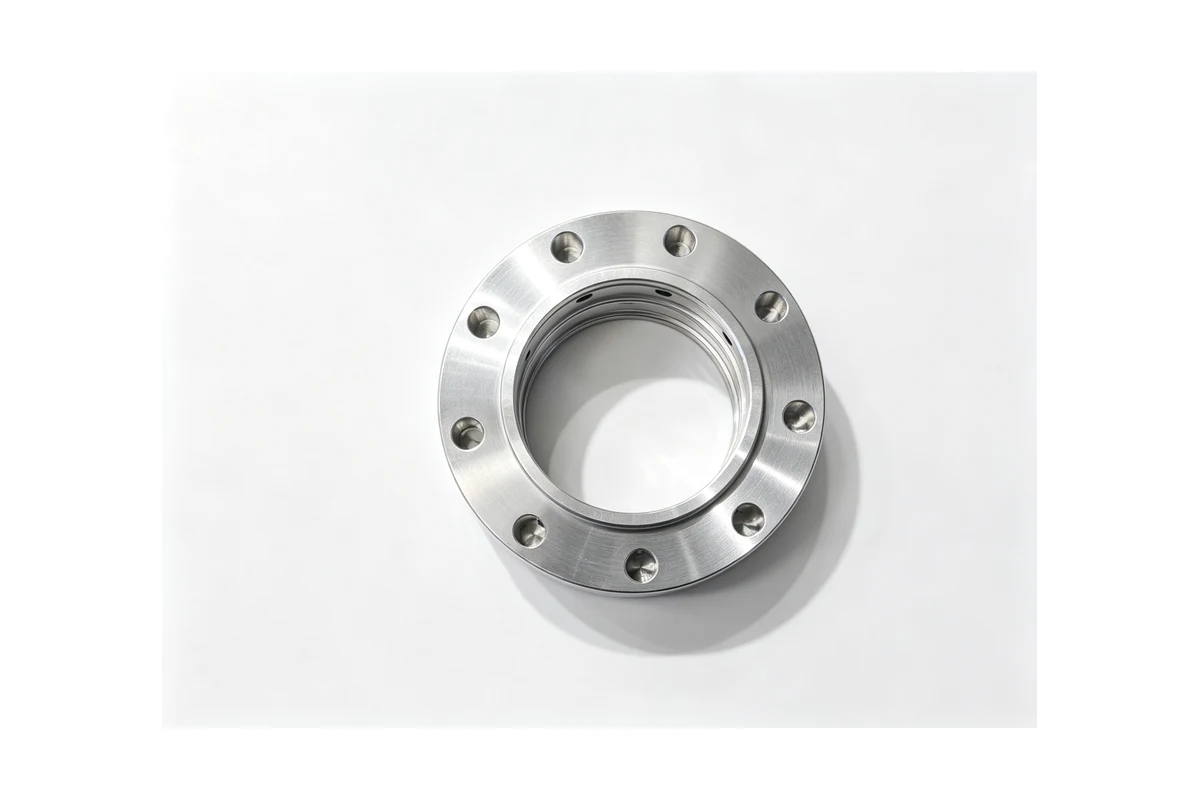
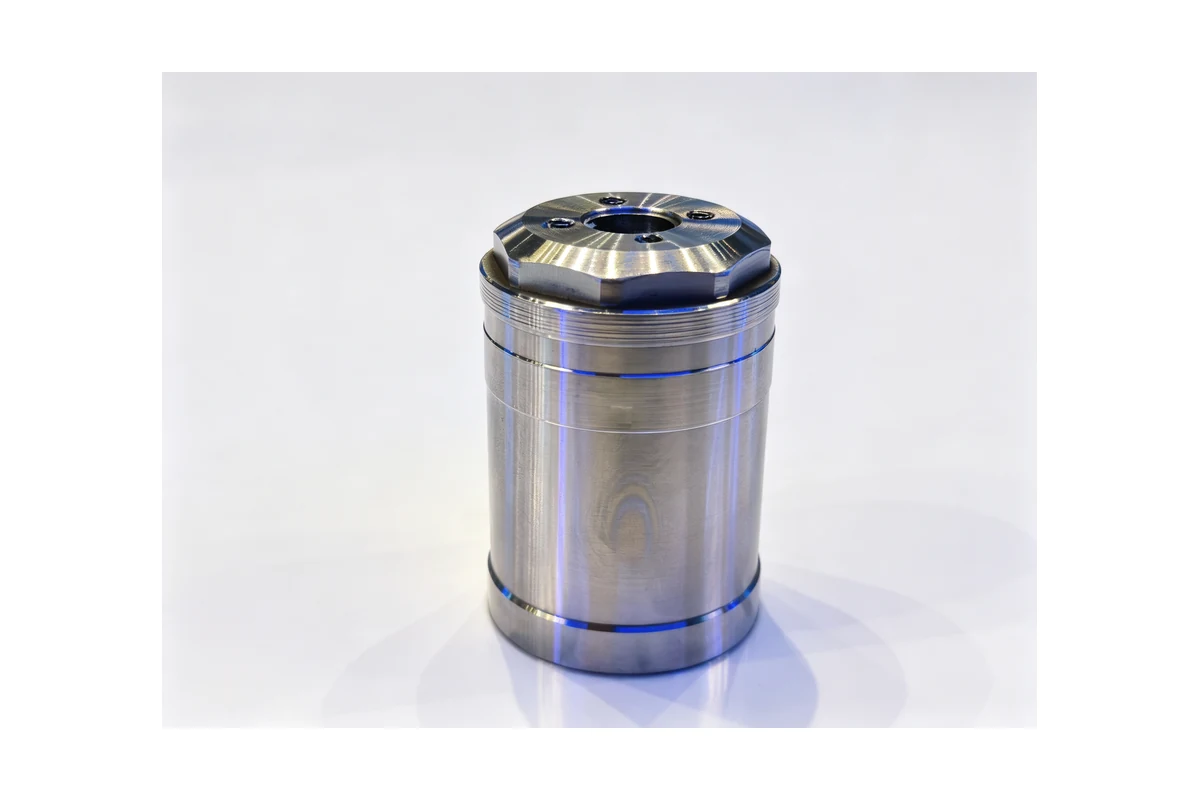
The family covers a wide spread of work. There are plain bearing bushes: bronze, brass or steel rings pressed into a housing to carry a shaft. There are guide sleeves and piston guide sleeves, where the bore guides a moving rod and the outside is a fit in the housing. There are expansion sleeves, clamping rings and taper sleeves that grip a shaft when a nut pulls them along a taper. There are distance sleeves and spacer rings, which set a length or a gap and are often the parts that keep an assembly in alignment. And there are hardened wear rings and seal carrier rings.
The shapes differ, but the machining problem is the same on all of them. The wall is thin relative to the diameter, so the part is weak in the direction the chuck squeezes it, and every force that holds it also deforms it. A 60 mm bushing with an 8 mm wall will move several times more under clamping than a solid shaft of the same size. That single fact drives the whole process.
Materials and What They Do to the Process
Bronze and brass bushes are the friendliest of the family. They turn freely, throw chips that clear themselves, and hold a bore well, which is why so many of them are finished in one pass. The catch is that they are soft, and a chuck that bites a bronze bush leaves a mark you cannot polish out. Soft jaws, bored in place, are not optional on this work.
Steel bushes are where the wall thickness starts to matter. Case-hardening grades such as 20CrMnTi turn as a soft ring and are hardened afterwards, which means the machining is done on a part that will move again in heat treatment and has to be held on size by leaving the grind allowance in the right place. Through-hardening grades such as 52100 and GCr15 arrive as bar or tube and are turned after hardening, where the cut is hard on the tool and the part is hard on itself. Free-cutting and medium-carbon steels such as 1045 turn cleanly and are the usual choice for spacer sleeves and rings that are not asked to carry a bearing load.
Cast iron bushes and sleeve liners hold their shape better than steel because the material is stiff and the chips are dust, but the skin of a casting has to come off before anything is measured from it. Stainless sleeves for pumps and food-grade equipment work-harden if the tool rubs instead of cutting, so the feed has to stay under the hard layer and the tool has to be sharp.
Machines for Bushing and Sleeve Work
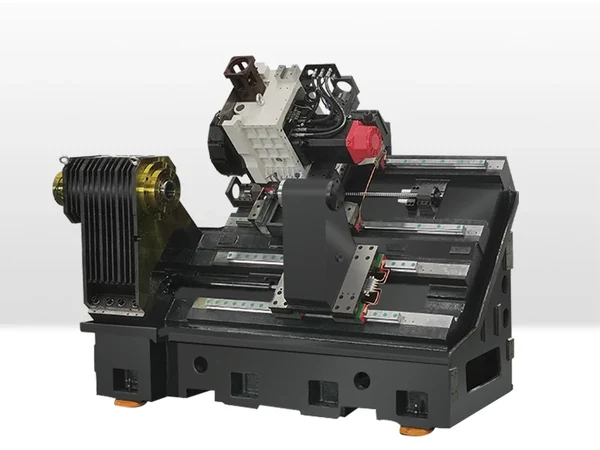
Most of this family is lathe work, and the lathe has to be chosen for the part, not for the shop. Short bushes, flanged bushes and rings are turned on a general-purpose slant bed such as the TCK50, where the part is small enough to hold comfortably and the cycle is set by the cut rather than by the handling. Long sleeves and thin-wall liners need the heavier, longer-bed machine: the TCK6350B has the bed and the spindle to hold a long tube without the part singing in the middle, and its through-bore lets a long sleeve be turned with the bar feeding through the spindle rather than hanging out of the chuck.
Where a sleeve has a flange, a bore and a set of holes on the flange, the turning is only part of the job, and a second operation on a mill is a re-clamp on a part that has already been thinned. That is the case for a mill-turn machine: the TCK6050SY turns both ends and cuts the flange holes in one setup, which matters most on a part whose roundness is decided by how many times it was gripped.
Bushes that are pressed into a housing and then finished are a different case again. If the bore is finished after the bush is pressed in, the pressing distortion is cut away and the machine only has to produce a round bore in a part that is already supported by its housing - which is why some of these parts are turned soft and finished in place.
Holding a Thin-Wall Ring
The single biggest cause of an oval bush is the chuck. Three jaws on a thin ring push it into a triangle, the tool cuts a round bore into a triangle-shaped part, and when the jaws release the part springs back to roughly round with a bore that is now lobed. The error is not random and it does not show up in the machine - it shows up at inspection, after the part is off the machine and cold.
The standard answers all work, and the best is to use several of them together. Bore the soft jaws in place so the gripping surface matches the part diameter exactly. Grip on the thickest section, never on a thin wall, and leave a flange or a step to butt against so the part cannot walk into the chuck. Keep the clamp pressure as low as the job allows. Where the part is very thin, turn it on a mandrel or an expanding arbor so the clamping force comes from inside the bore, or hold it in a pot fixture and cut the outside first. For rings that cannot take any clamping at all, the part is often turned from tube with a sacrificial web, which is cut away in the last operation.
The step from one clamping to two is where most of the trouble sits. Where the drawing allows, the bore and the outside are turned in one chucking from bar or tube, so the wall thickness is set by the tool rather than by two setups agreeing with each other. That is the single change that removes most of the ovality on this family.
Sequence, Heat Treatment and Finish
A through-hardened bush is turned soft, hardened, and then ground or hard-turned to size. That route means the turning leaves a controlled allowance, and the allowance has to be on the surface that will be finished, which on a bush is usually both the bore and the outside. Grinding is not always needed: on a hardened sleeve that is not a bearing surface, a hard-turning pass with a ceramic or CBN insert replaces the grinder and keeps the part on one machine.
A case-hardening bush is the opposite problem. The part is turned close to size and then carburised, and the case grows and moves. Where the case is thin, the part is sized to compensate; where the bore is the critical surface, the bore is finished after hardening and the outside is finished before it, because the outside is the reference the fixture holds on.
Soft bushes skip the heat treatment and go straight from turning to finishing, which is where they are quickest and where the tooling has to be at its best. A bronze bush finishes well with a sharp insert and a light finishing pass; a stainless sleeve needs the same and a feed that keeps the tool cutting rather than rubbing.
Checks That Keep a Batch Round
A bush is checked for the bore, the outside diameter, the wall thickness variation, the roundness of both, and the squareness of the faces to the bore. The check that catches the most scrap is roundness measured on the free part, not on the machine: a bore that is round in the chuck and oval in the box is a clamping problem, and the machine cannot tell you that. Measuring the bore before the part has cooled and settled gives the same false comfort as measuring it before the jaws are released.
Wall thickness variation is the practical proxy for roundness on a bore-critical bush, and it is quick to check with a micrometer across opposite walls. If the variation runs with the jaw positions, the clamping is wrong. If it runs with the tool path, the sequence is wrong. Sorting the two apart is most of the diagnosis on this family.
Why This Family Is Worth Taking Seriously
Bushings and sleeves are cheap parts with expensive consequences. A guide sleeve that is oval puts a rod off centre and wears the seal out in weeks. A spacer ring that is short by a few hundredths moves a bearing race and shows up as noise on a finished machine. A bronze bush that is out of round seizes onto its shaft the first time the assembly runs warm. None of that shows up at the machine, which is why the process on this family is set up around not deforming the part rather than around cutting it fast.
Frequently Asked Questions
How do you stop a thin-wall bushing going oval in the chuck?
Bore the soft jaws in place so they match the part, grip on the thickest section, keep the clamp pressure low, and finish the bore and the outside in one chucking wherever the drawing allows. For very thin parts, hold on a mandrel or an expanding arbor so the force comes from inside, or turn from tube and cut away a sacrificial web at the end.
Can bushings be turned complete, or do they always need grinding?
Bronze and free-cutting steel bushes are usually turned complete and used as they come off the lathe. Through-hardened bushes in bearing grades are turned soft and finished after hardening, either by grinding or by hard turning with a ceramic or CBN insert. The choice follows the bore the shaft has to run in, not the material alone.
What material are bushings and sleeves usually made from?
Plain bearing bushes are bronze, brass or bearing steel. Guide sleeves and wear rings are case-hardening steels such as 20CrMnTi or through-hardening grades such as GCr15 and 52100. Spacer rings and distance sleeves are usually medium-carbon or free-cutting steel. Pump and food-industry sleeves are stainless, where the feed has to stay under the work-hardened layer.
Is a mill-turn machine worth it for a part that is only turned?
No, if the part is only turned. It becomes worth it as soon as the part carries holes or slots on a flange or a face, because the alternative is a second operation that re-clamps a part that has already had its wall thinned. Sectioning the flange and the bore into one setup is what the mill-turn machine buys.
Send Us the Part and We Will Send the Process
If you have a bushing, sleeve or ring family that keeps going oval, or a new one you want to cost properly, send the drawing with the material, the wall thickness, whether the part is hardened before or after turning, and the batch size. Handemo will come back with the machine recommendation and the sequence that goes with it. Contact Handemo CNC | Email: sales1@handemocnc.com | WhatsApp: +86 135 6320 3038
Related reading: Machining Solutions covers the other part families we turn and mill, Case Study: Machining an Expansion Sleeve Without Grinding walks through the same holding problem on a hardened sleeve, and CNC Machining Bearing Housings deals with the housing these parts are pressed into.