Why Does a CNC Machine Start Losing Precision Even When...
You’ve been running the same job for months. Same material, same program, same operator. Then one day, the parts don’t pass inspection. Nothing obvious broke. No alarms. No crashes. Yet the dimensions are drifting.
It’s frustrating. And honestly? It’s more common than most people admit.
Here’s the thing about precision machining—it doesn’t usually fail dramatically. It creeps. Slowly at first. A micron here, a micron there. Then one day you’re chasing numbers instead of making chips.
What actually causes this?
It’s rarely one thing.
Spindle bearings wear down over time. Guideways lose lubrication. Thermal growth starts playing tricks on your geometry after long runs. And if your machine wasn’t rigid enough to begin with—well, that problem only gets worse.
I’ve watched shops spend weeks tweaking offsets and replacing tools, only to realize the machine itself was slowly drifting. It wasn’t the operator. It wasn’t the material. It was the machine quietly failing over thousands of hours.
Let me be blunt—some machines are built to pass acceptance tests, not to hold tolerance after 5,000 machining hours. They look good in the brochure. They might even cut a decent test part. But under real production pressure—heavy cuts, long shifts, warm coolant, and impatient customers—their weaknesses show up fast.
So what makes a machine stay accurate?
It comes down to three things:
The casting – Cheap iron cracks, shifts, and absorbs vibration poorly. Good iron, properly aged and stress-relieved, gives you a foundation that doesn’t move.
Not sure which model fits your workload? Our engineers answer technical questions every day, and you can reach us through the contact page with your part drawings.
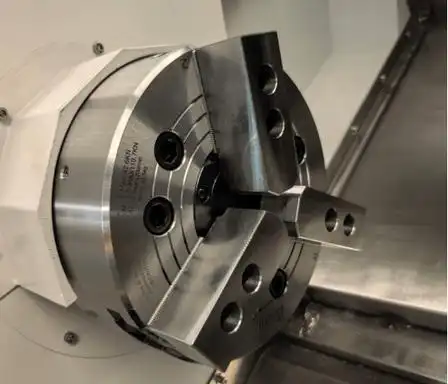
The spindle – Not just the bearings, but how they’re assembled. Preload, cooling, and runout matter. A lot.
The thinking behind it – Some builders chase low cost. Others build for the long haul.
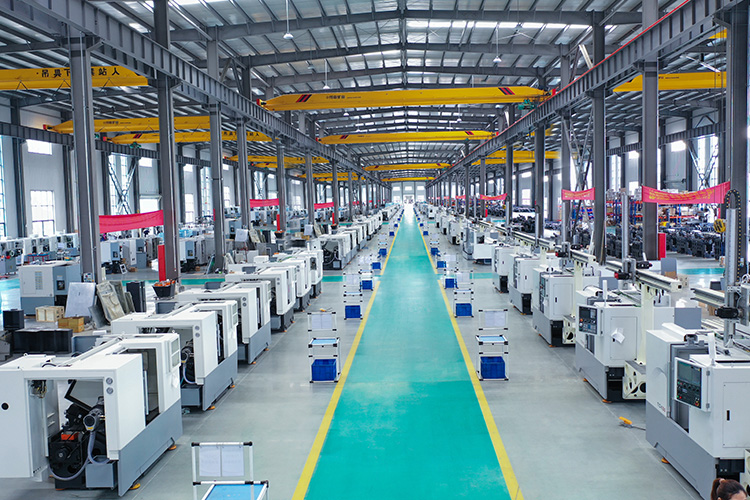
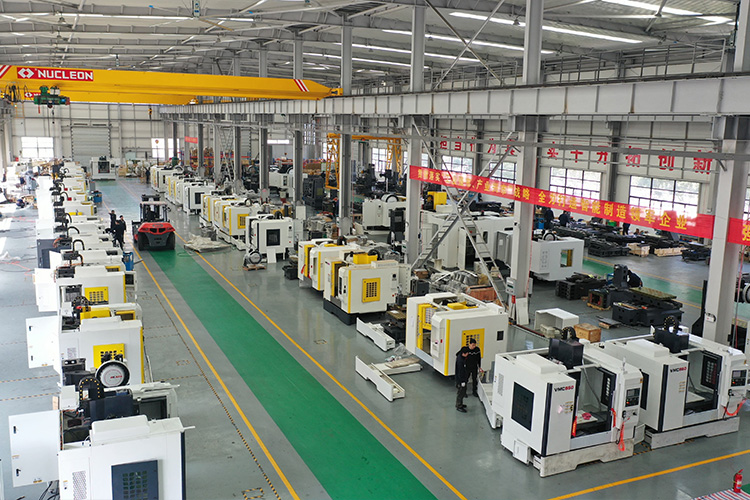
That’s where Handemo comes in. They’ve been building CNC machines for over 20 years—lathes, turn-mill centers, vertical and horizontal machining centers. They don’t just assemble parts; they pour their own castings, scrape their own guideways, and test every spindle before it ships. That’s the kind of attention that keeps a machine cutting true after years of two-shift production.
But here’s something people often miss: consistency isn’t just about iron and steel. It’s also about support. When your machine does need maintenance (and eventually it will), you want someone who answers the phone and actually has the part in stock. Handemo ships to over 150 countries. They keep spare parts ready. They offer real training, not just a PDF manual.
My honest take
If you’re shopping for a CNC lathe or machining center, don’t just compare spec sheets. Ask the sales engineer: “Show me what this machine looks like after 5,000 hours.” If they hesitate, you have your answer.
The cheapest machine can be the most expensive one you’ll ever buy. Production stops. Customers get angry. Your team loses confidence.
A reliable CNC machine may not be the flashiest—but it will keep your delivery dates on track and your shop profitable. That’s why we build Handemo machines to hold accuracy long after the honeymoon phase is over.
For manufacturers who care about consistent output, that’s where real value begins.
If you are evaluating a CNC machine for your shop, talk to our engineers first. Send us your workpiece drawings and production targets, and we will recommend the right model with a clear quotation. Email sales1@handemocnc.com or contact our team for a fast reply.
Applications Across Manufacturing Industries
Handemo CNC machines are used across a wide range of industries, from automotive parts and mold making to aerospace components and energy equipment. Whether you need a vertical machining center for precision milling, a slant bed lathe for high-volume turning, or a 5-axis turn-mill center for complex parts, the right machine can cut cycle times, reduce scrap, and improve consistency.
Typical applications include: engine blocks and transmission housings in the automotive sector, mold bases and electrode machining in tooling, valve bodies and pump components in hydraulics, and shafts, flanges, and housings in general machinery manufacturing.
Frequently Asked Questions
What is the MOQ for Handemo CNC machines?
MOQ is 1 unit for most standard models. For customized configurations, we can discuss based on your requirements.
Do you provide installation and training?
Yes, Handemo provides on-site installation, commissioning, and operator training for international customers, or remote guidance via video.
What is the warranty period?
Handemo provides a standard 12-month warranty on CNC machines, with extended options available. Spare parts are available worldwide.
Get a Quote for Your CNC Machine
Tell us about your workpiece and production requirements, and our engineers will recommend the right machine with a detailed quotation. Contact Handemo CNC or email sales1@handemocnc.com / WhatsApp +86 135 6320 3038.