CNC Machining Hydraulic Valve Bodies: Process and Machines
Set a hydraulic valve body in a vise and the first thing every shop notices is how many sides need work. Port faces on one side, a spool bore through the middle, cross-drilled passages meeting at odd angles, and gasket faces that have to stay clean. Move the block between machines and setups multiply. Leave one burr in a cross hole and it can travel straight into a customer's hydraulic circuit. This article covers how Handemo CNC machines hydraulic valve bodies: the materials we see, the machines we recommend, and the process points that keep a valve program repeatable.
The Part: Materials and Geometry
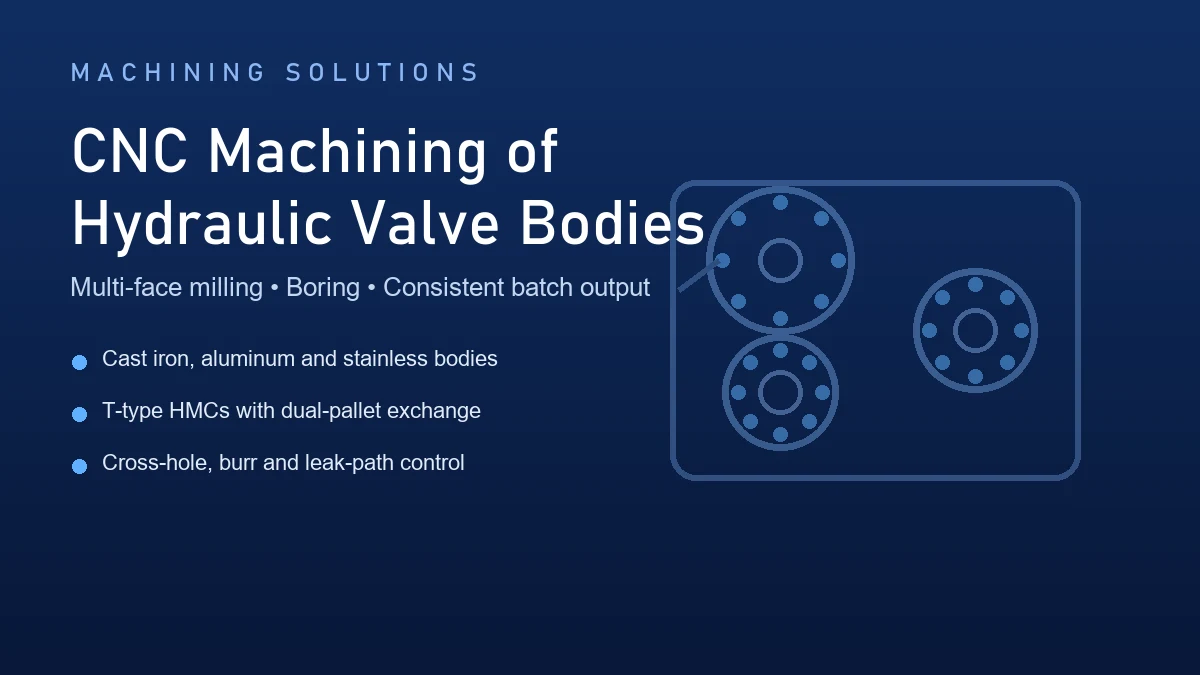
A hydraulic valve body is the block that carries a spool, a sleeve and the internal passages that direct oil. You find them in directional valves, relief valves, proportional valves and cartridge-valve manifolds. The common materials are gray or ductile cast iron for standard industrial valves, aluminum alloys where weight matters, and stainless grades such as 304 or 316 for food, marine and corrosive-service hydraulics. A few high-pressure blocks are machined from forged steel.
Geometrically, the block is a collection of straightness problems: a spool bore running the length of the block, port faces on several sides, threaded ports, and drillings that cross each other at angles. The internal passages are rarely straight through, so tools have to reach them from different directions. That geometry, not exotic material, is why valve bodies tie up a machine for a long time.

Recommended Machines for Valve Bodies
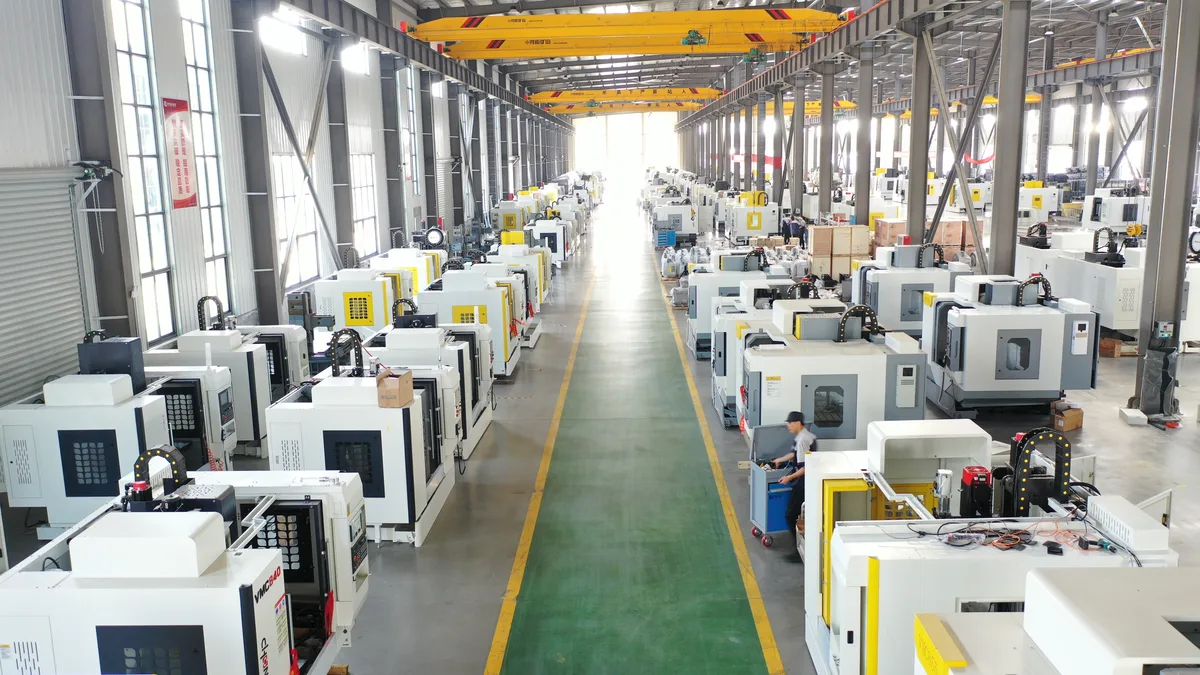
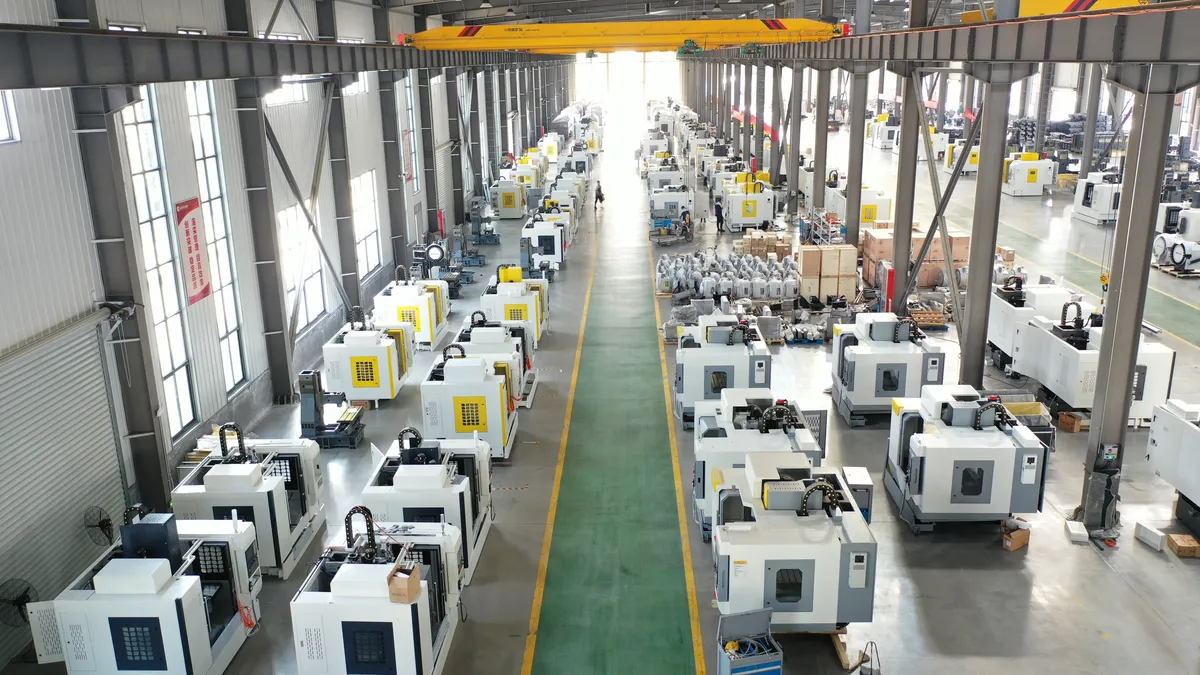
For production runs, a horizontal machining center is the natural fit. The spindle points at the side of the block, so you machine one face, index the rotary table, and machine the next without re-fixturing. The HMC630-DT is the model we usually put forward for valve body batches: a T-type horizontal machining center with dual-pallet exchange, so the spindle stays cutting while the operator loads the next fixture. For compact blocks with heavy boring content, the TH500 boring and milling machine gives a solid platform for interrupted cuts and port drilling. If your blocks run bigger than a 500 or 630 mm pallet, look across the full horizontal machining center range.
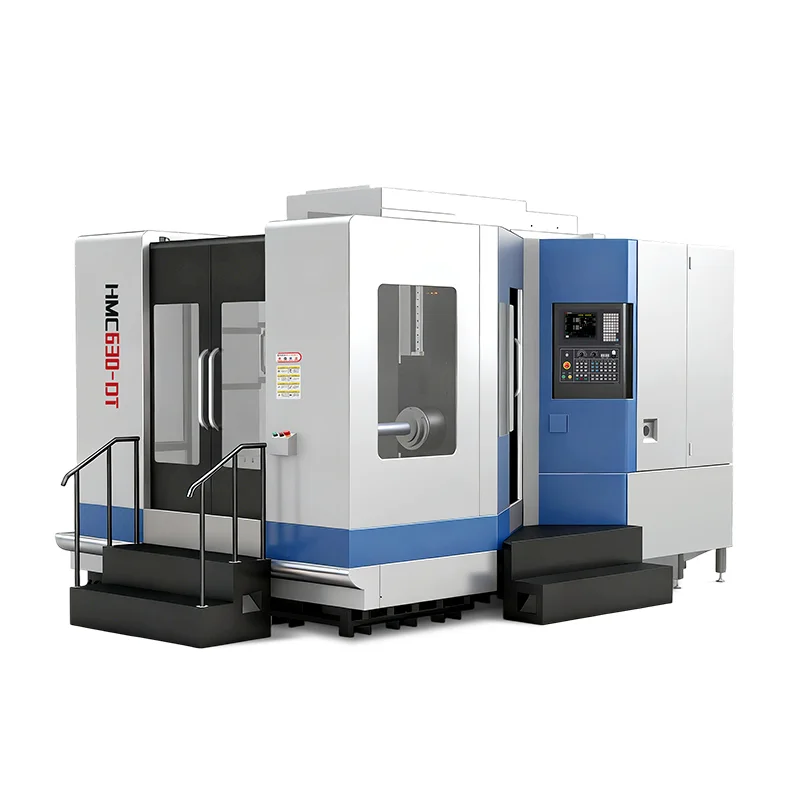
Smaller shops and prototype work often machine valve bodies on a vertical machining center fitted with a rotary axis. It works, but each part indexes around the spindle axis, so cycle times run longer than on an HMC that reaches four or five faces in one setup. When you also produce the spools, a CNC lathe with live tooling can finish the spool in one machine - worth considering if you build complete valves rather than just the body.
Process Points That Keep Valve Bodies Consistent
Spool bores
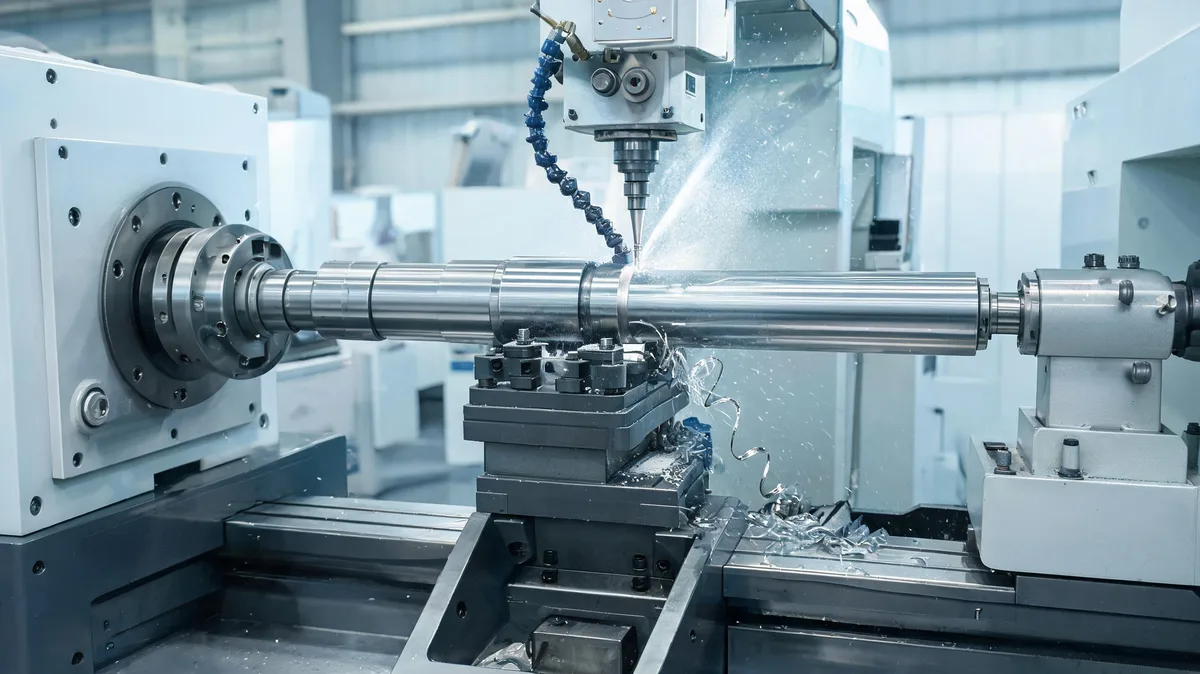
The spool bore is the functional heart of the block. Rough it with an indexable drill or boring bar, then finish the bore in the same setup as the port faces so all geometry relates to one datum. Keep tool overhang short - a long bar flexes and leaves a bore that is not straight.
Port faces and gasket faces
Face milling sounds simple, but tool pressure on a thin wall around a port can distort the face. Use climb milling, keep the depth of cut even, and leave a small uniform stock for the finishing pass so the seal face stays flat.
Cross holes and intersecting passages
Cross holes meet the main bore at awkward angles. Program the approach and retract so the tool does not drag along the wall it just cut, and deburr every intersection where two passages meet. A chamfer tool or a short deburring pass does the job; some shops add a fine abrasive flow step for internal edges on high-cleanliness valves.
Cleanliness
A valve body cannot ship with chips inside. After machining, blow out every passage, wash the block, and check the crossovers with a light or an air test. One chip trapped in a crossover can stick a spool during the customer's test, so this step earns its time.
Batch consistency
With dual pallets and preset fixtures, the first article and the 200th article see the same clamping, the same datum and the same program. Scheduled tool checks and small offset adjustments keep the process centered, which is what valve buyers actually pay for: parts that behave alike from one lot to the next.
Quality and Consistency
Valve customers reject blocks for leaking ports, sticky spools or faces that will not seal. None of those failures comes from one dramatic mistake - they come from inconsistent clamping, wandering offsets or dirty passages. Our approach is deliberately boring: stable fixturing, controlled thermal conditions in the workshop, in-process gauging on the critical bores, and a written routine for cleaning. The machines and the process together decide whether your first article is your 200th article.
Frequently Asked Questions
What CNC machine is best for hydraulic valve bodies?
For batches, a horizontal machining center such as the Handemo HMC630-DT with a dual pallet and rotary table is hard to beat - it machines several faces in one setup and keeps cutting while the operator loads parts. For prototypes and small runs, a vertical machining center with a rotary axis is a practical start.
Can Handemo machines handle stainless steel valve bodies?
Yes. Our HMC and boring-milling models machine cast iron, aluminum and stainless valve bodies. Stainless needs rigid structure and the right tooling more than extra spindle speed, and the TH500 series is built for that kind of interrupted work.
Do you help with fixtures and process planning for valve bodies?
We do. Send us your block drawing and production quantity, and we will recommend the machine, a fixture strategy and a process sequence - and we can quote the machine with the options that suit valve work, such as high-pressure coolant and a chip conveyor.
Get a Valve Body Machining Plan
Tell us what you machine - block size, material, batch size - and Handemo will recommend the right horizontal machining center and process. Contact Handemo CNC | Email: sales1@handemocnc.com | WhatsApp: +86 135 6320 3038
Related reading: CNC Machining Solutions for Automotive Gearbox Housings - how we approach another multi-face housing part.