CNC Machining Thin-Wall Parts: Process and Machines
A thin-wall part usually begins as somebody's weight-saving idea - machine away everything that is not carrying load and leave a shape that still does the job. The trouble shows up on the machine. Once a wall gets thin, it stops behaving like a rigid body and starts behaving like a spring: it pushes away from the cutter under the cutting force, snaps back after the tool has passed, rings under the spindle, and moves the moment the vise closes on it. A wall that looks right in the fixture can be out of shape the second the clamps come off. This article explains how Handemo CNC machines thin-wall parts - the materials we see most, the machines we put them on, and the process rules that keep a light part true from the first cut to the last.
What Counts as a Thin-Wall Part
There is no single number that defines a thin wall, because the difficulty depends on the relationship between wall thickness, part size and material. A wall that is easy to machine on a bearing cap can be a problem on a large housing where the same wall runs a long way without support. What the jobs have in common is that the machined features are close enough to the wall that the cutting force, the heat and the clamping all show up in the finished shape. In practice our thin-wall work falls into a few family groups: mounting brackets and support arms, covers and panels with ribs, gearbox and pump housings where the walls are lightened, impellers and fan bodies, sensor and electronics enclosures, and long structural parts with deep pockets on both sides.
Aluminum dominates the group - 6061 and 7075 plate and extrusions for brackets, covers and enclosures where light weight matters more than anything else. Steel and stainless appear where the part has to survive wear or corrosion, and thin sections in steel are harder because the cutting forces are higher. Castings bring their own version of the problem: the as-cast skin is harder than the core, so the first pass of the cutter is uneven and the wall gets a push exactly where the part is weakest. Titanium thin-wall parts are a smaller share of our work, but they punish any process that relies on heavy cuts or starved coolant.
Why Thin-Wall Parts Are Hard to Machine
Deflection under the cutting force
The cutter pushes on the part with a force the spindle and the machine can absorb easily, but a thin wall cannot. The wall bends away, the cutting edge takes a lighter load, and the surface that comes out is tapered, wavy, or simply thinner in the middle than at the ends. Push harder to compensate and the wall bends more. The answer is not force; it is keeping the load on the wall low and the support behind it high.
Heat, and the stress it leaves behind
Machining moves heat into the part. On a thick section that heat spreads and the part stays stable. On a thin wall the heat stays local, the wall grows while it is being cut, and then it cools into a shape that is not the shape the program asked for. Removing a lot of material from one side of a plate releases the internal stress that was in the stock, and the part bows as the cut progresses. Rough, then let the part settle, then finish - the same logic that works on mold plates works here.
Clamping distortion
A vise that closes with enough force to hold a heavy block will flatten a thin wall without the operator noticing. The part is machined in the clamped shape, and it springs back when the vise opens. Soft jaws bored to the part profile, low-pressure clamping, and clamps that press on a thick boss instead of the wall itself all cost less than scrapping a batch.
Chatter
Thin walls ring. The wall vibrates at its own frequency, the tool marks the surface with a pattern that gets worse with each pass, and the operator backs off the feed until the cycle time becomes the problem. The fix is a combination: shorter tool overhang, a sharper cutter with a lighter cutting geometry, a tool path that keeps the load steady instead of spiking it, and - where the part allows - something behind the wall to damp it.
Recommended Machines for Thin-Wall Parts
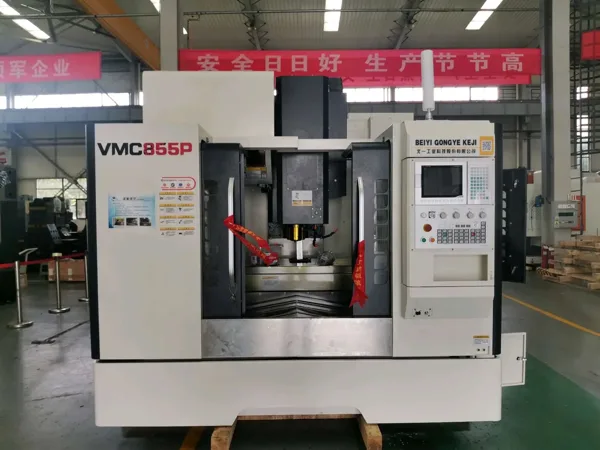
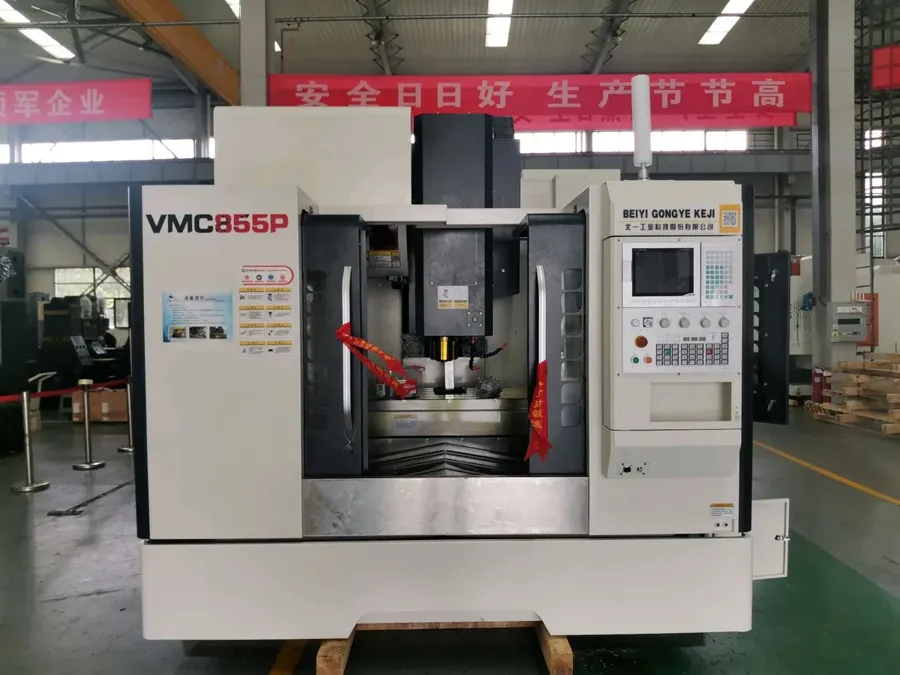
Thin-wall work rewards spindle speed and machine rigidity far more than it rewards size. Our standard starting point is the Handemo VMC855 vertical machining center, a compact high-speed machine that lets us run light, fast passes with small cutters - the cutting strategy thin walls respond to best. Its table covers brackets, covers, bearing caps and the smaller housings where most thin-wall jobs start, and the machine is quick to set up for the mixed batches this kind of work usually arrives in.
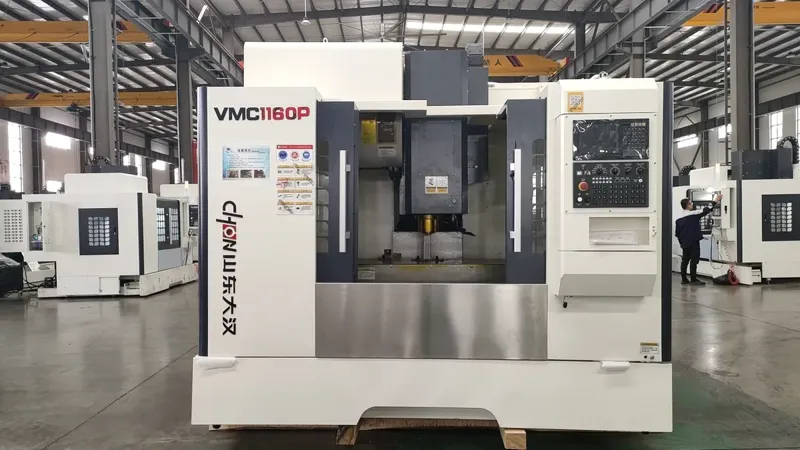
When the part grows - a long support arm, a deep pocketed enclosure, a lightened gearbox or pump housing - the VMC1160 vertical machining center gives the table size and the travel to hold the whole part in fewer setups, which matters because every re-clamp of a thin part is another chance to load it into a bent shape. For work with fine detail and a lot of finishing, the VMC1370D high-speed mold machining center is built around the same idea taken further, with a spindle and motion package designed for light cuts at high feed.
Parts that need machining on several faces are the case for a horizontal machine. The HMC630-DT horizontal machining center brings each face to the spindle on a rotary table, so a housing with lightened walls can be machined from several directions in one clamping instead of being moved between fixtures. That is the single biggest distortion control on a thin-wall housing, and it is the reason high-volume light-weight parts run horizontal. Across the range - see the full vertical machining center range - the rule is the same: the fewer times the part is clamped, the fewer chances it has to spring out of shape.
Process Rules That Keep a Thin Wall in Shape
Build datums on the thick sections
Every thin-wall process starts by deciding where the part will be held and measured, and the answer is never the wall. Datums are placed on bosses, rims and thick pads that do not move under clamping force, and every later operation references them. When a part has no thick section to spare, we machine a temporary tab or process boss and remove it at the end - cutting it off costs less than fighting a moving part for the whole cycle.
Rough, relax, finish
We take the bulk of the material off in a roughing operation, then let the part sit - sometimes overnight on parts where stock stress matters - before finishing. Roughing releases stress in the material and moves heat into the part; finishing a part that has not settled just locks the movement into the final surface.
Light and fast beats heavy and slow
A thin wall responds to cutting force, not to feed rate. We run smaller radial engagements, higher spindle speeds and faster feeds, so the load on the wall stays low and the cutter spends less time rubbing. Climb milling, a smooth tool path and a controlled entry into the cut all keep the force steady, which is what stops the wall from being pushed into a taper.
Support the wall, then cut it
Where the geometry allows, we machine a supporting web, leave material as a natural rib, or use a low-melt fixture material to back up the wall during the finishing pass, then remove the support in a light final operation. On parts with pockets on both sides, the sequence is planned so each side is supported while the other is being machined.
Tools and coolant for low force
Sharp, positive-geometry cutters with a small corner radius keep the cutting force down and the finish predictable. Through-spindle and through-tool coolant pull the heat out at the edge instead of letting it soak into the wall, and air blast is often the better choice on deep aluminum pockets where a pool of coolant would trap chips against a finished surface.
Measure the part as the customer receives it
A thin-wall part measured while it is still clamped tells you almost nothing. Our inspection takes place with the part free, supported the way it will be in service, so the numbers describe the part the customer gets rather than the part the fixture was holding.
Quality and Consistency
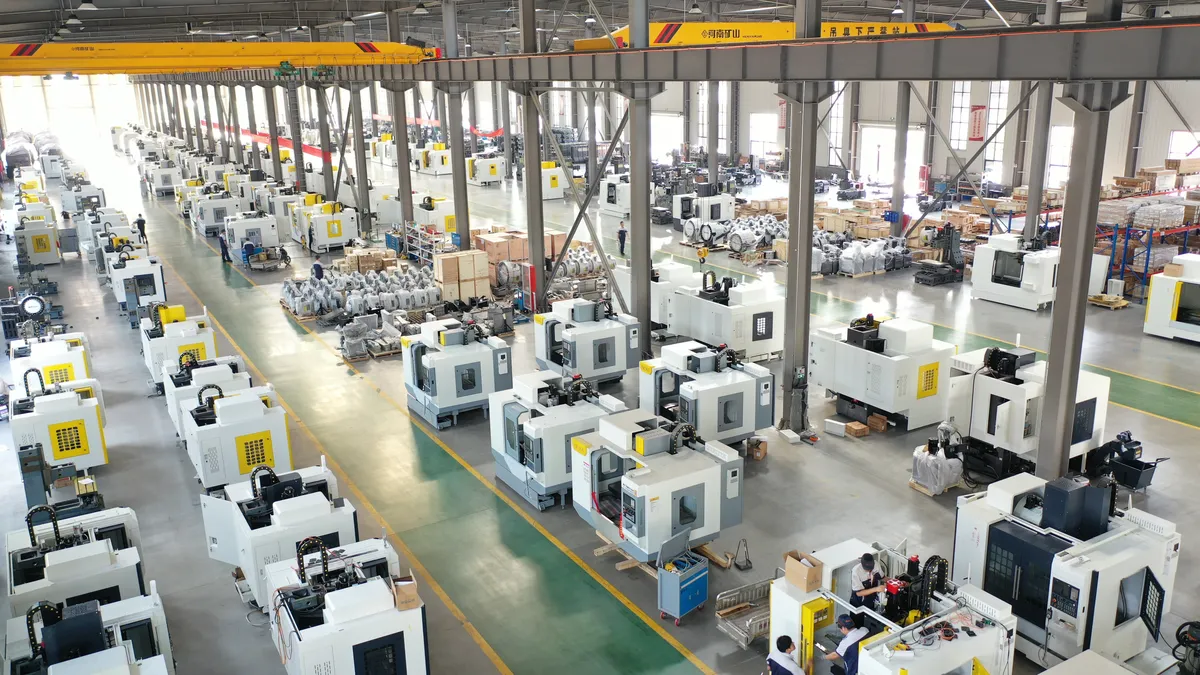
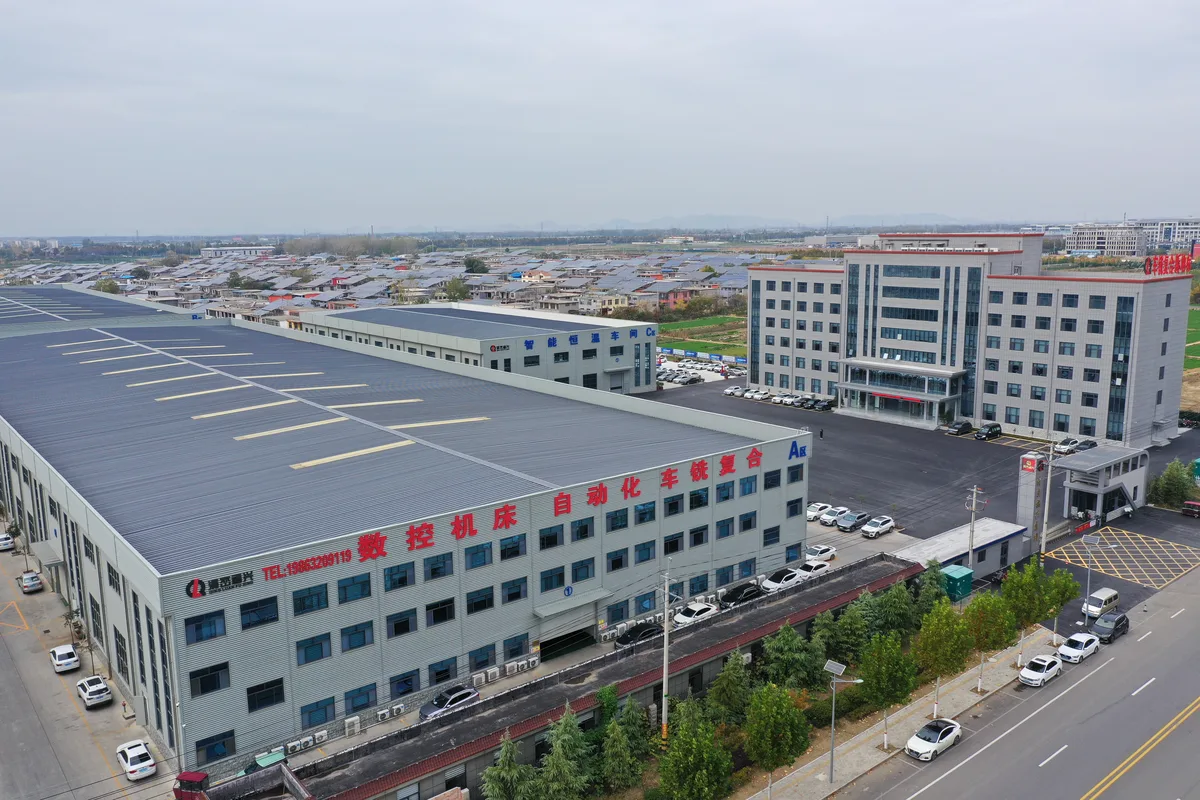
Thin-wall parts get rejected for walls that are thinner in the middle than at the ends, pockets that are not parallel, faces that bow after the clamps come off, and surfaces that show chatter marks. Every one of those faults traces back to a process decision - how the part was held, how much force was put into the wall, how much heat was left in it, and whether it was allowed to settle before finishing. Handemo has been building machine tools in Tengzhou since 2008, across a plant of 220,000 square meters with more than 660 staff, and the thin-wall programs we run here are built around a trial part first: prove the fixture and the sequence on one piece, then run the batch on the same setup.
Frequently Asked Questions
What is the best machine for thin-wall parts?
For most brackets, covers and small housings, a high-speed vertical machining center such as the Handemo VMC855 is the right starting point, because light fast passes are what thin walls tolerate. Larger or deep-pocketed parts suit the VMC1160, fine finishing work suits the high-speed VMC1370D, and multi-face housings are best run on the HMC630-DT horizontal machining center so the part stays in one clamping.
How do you stop a thin wall from deflecting during machining?
By keeping the cutting force low and the support high: small radial cuts at high spindle speed, sharp tooling with short overhang, a tool path that enters the cut smoothly, and a fixture that holds the part on its thick sections rather than on the wall. Where the geometry allows, a supporting web or low-melt backing is used during the finishing pass.
Will a roughing and finishing split add cost?
It adds a setup, but it saves the part. Roughing, letting the material settle, then finishing is the only reliable way to hold shape on a part where stock stress or cutting heat will move the walls. On a batch, the extra operation is far cheaper than a rework or a rejected lot.
Can you machine thin-wall parts in aluminum and steel?
Yes. Aluminum is the most common material for our thin-wall work, and we also machine steel, stainless and castings where the part needs more strength or wear resistance. Steel cuts with higher force, so the fixture and the tool path are planned around that from the start. Send the drawing, material and batch size, and we will recommend the machine, the fixture approach and the process sequence.
Get a Thin-Wall Machining Plan
Tell us about your part - material, size, the thinnest wall, the features that have to stay true and the batch size - and Handemo will recommend the right machining center and the process to go with it. Contact Handemo CNC | Email: sales1@handemocnc.com | WhatsApp: +86 135 6320 3038
Related reading: CNC Machining Pump Housings and CNC Machining EV Motor Housings - two more part families where the wall and the bore decide whether the part is accepted.