CNC Machining Flange Bearing Housings: Process and Machines
Flange bearing housings look simple until you try to hold two things at once: the bore that carries the bearing, and the flange face that bolts to the machine. Get the bore right and the face tilted, and the shaft binds the moment the customer tightens the bolts. Split housings add another problem - the two halves have to line up exactly or the bearing races pinch. This article covers how Handemo CNC machines flange bearing housings: the materials we see, the machines we recommend, and the process points that keep bores round and faces square.
The Part: Materials and Geometry
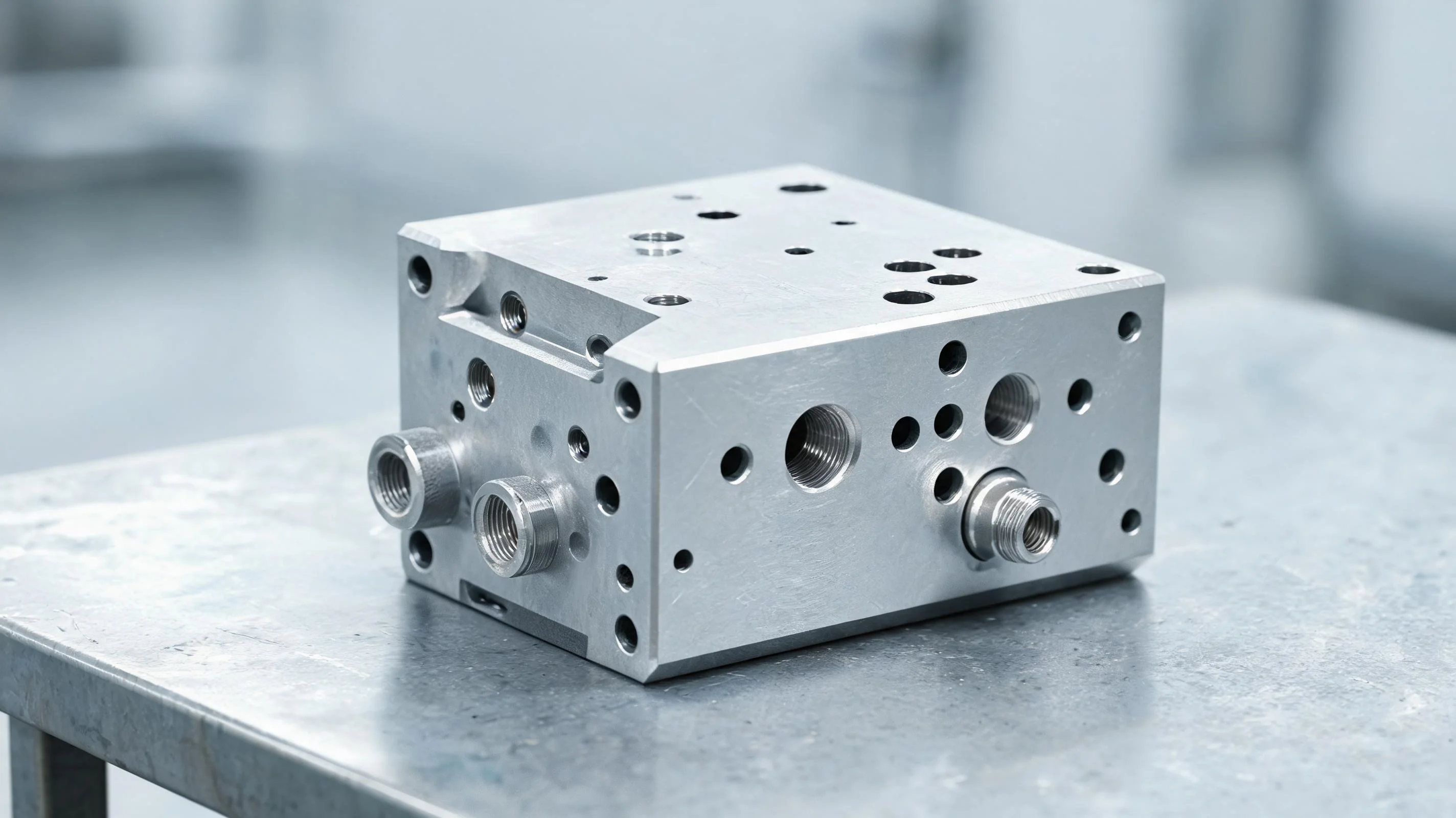
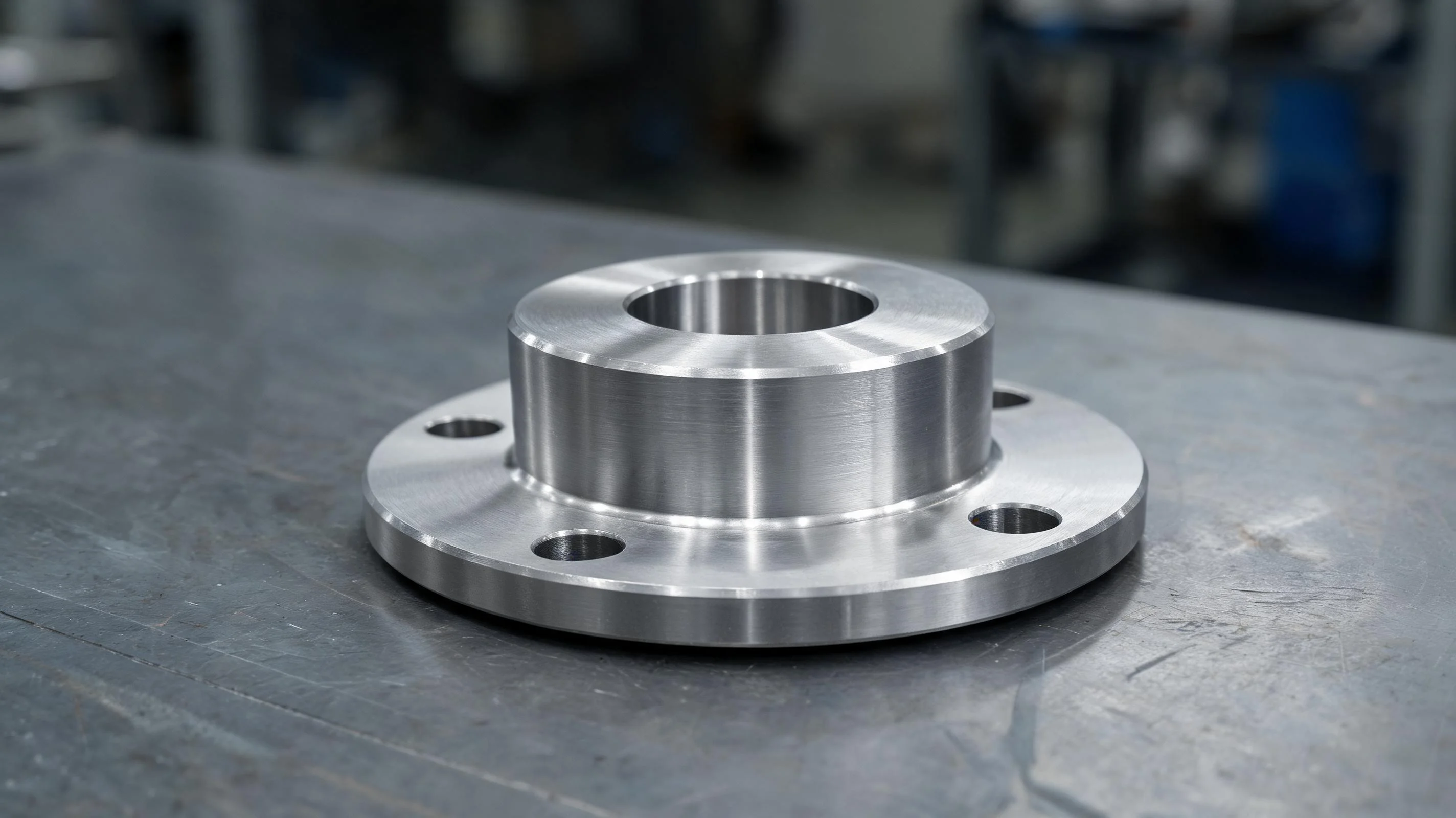
A flange bearing housing holds a bearing in a machined bore and carries the load into a machine frame through a bolted flange. You find them on conveyor drives, gearboxes, fans, pumps and agricultural equipment - anywhere a shaft has to be supported away from the gearcase wall. They come as one-piece housings and split housings, and the flange may have two, four or six bolt holes arranged on a bolt circle.
Gray cast iron is the default material for industrial housings because it damps vibration and machines well. Ductile iron shows up where shock loads are expected, and steel fabrications or cast steel housings are used for the heaviest service. Aluminum housings appear in light-duty and mobile applications where weight matters. Most housings are castings or weldments, which means the first machining pass has to deal with scale, hard spots and a casting that is never quite where the drawing says it is.
The geometry that matters is the bore centerline and its relationship to the flange face. If the flange face is machined flat but not square to the bore, the bearing seat distorts when the housing is bolted down. On split housings, the two halves are usually machined together, with dowel holes or machined steps so they can only go back together one way.
Recommended Machines for Bearing Housings
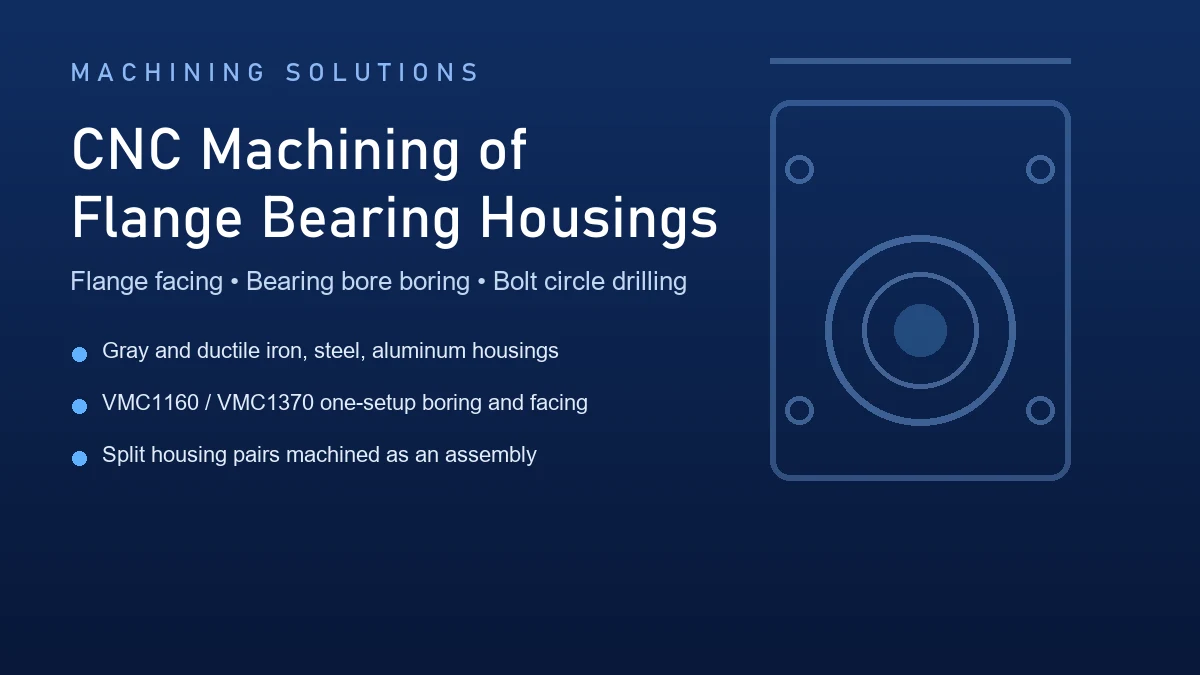
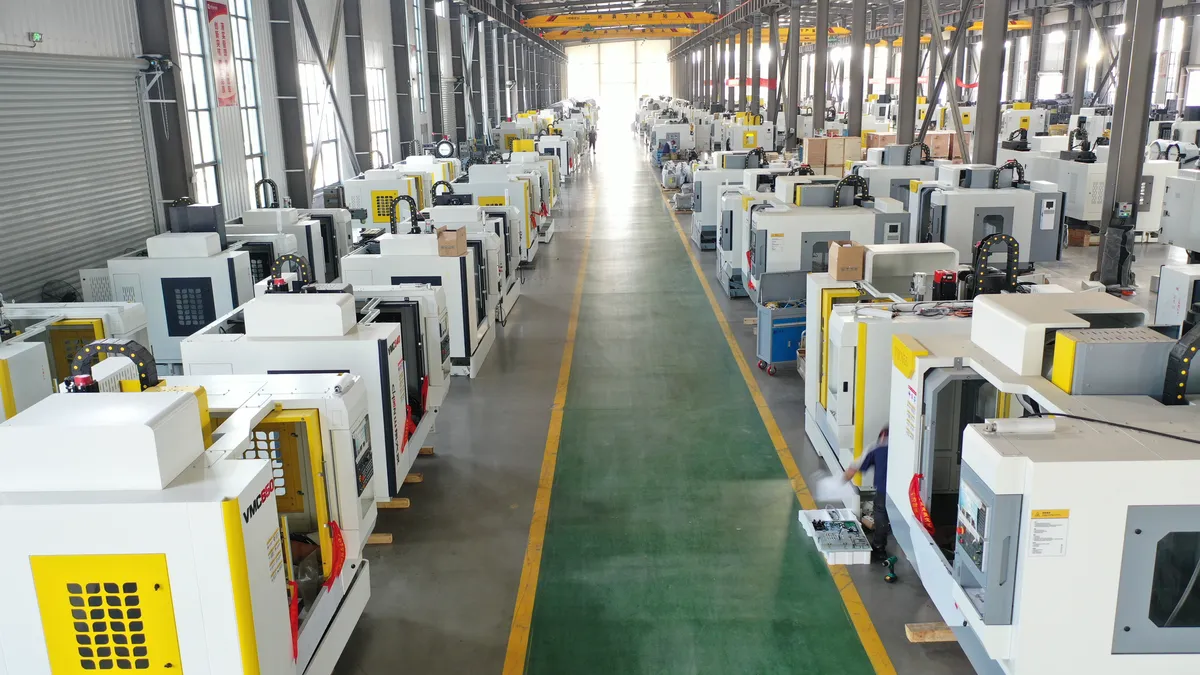
For most flange bearing housing work, a VMC1160 vertical machining center is a practical first choice. A vertical machine lets you face the flange, bore the bearing seat and drill the bolt circle in a single setup, which is what keeps the bore square to the face. The VMC1160 gives a solid work envelope for housings up to medium size, and it is easy to re-fixture when you run several housing sizes in one batch.
When housings get larger or the batches are heavy, the VMC1370 heavy-duty vertical machining center carries more table load and lets you take deeper cuts through cast iron scale without chatter. If you machine both sides of a housing - for example a split housing that needs the parting face, then the bore - a HMC630-DT horizontal machining center with a rotary table pays for itself, because the spindle reaches several faces in one clamping.
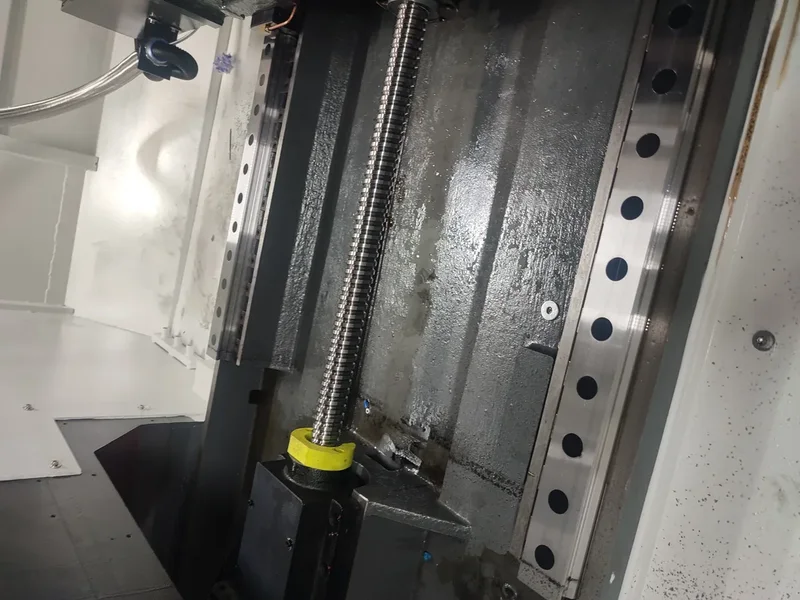
Whatever you choose from the vertical machining center range, the setup principle stays the same: machine the flange face and the bearing bore without moving the part between operations. For smaller prototype runs, even a lighter VMC fitted with a boring bar will do, as long as the bore and face are cut in the same clamping.
Process Points That Keep Bearing Housings Consistent
Flange face first, bore second
Face the flange and establish the datum before you touch the bore. Once the face is flat and the part is seated on it, the boring operation references a stable plane instead of an irregular casting surface. Cut the face with climb milling and leave the finishing pass light so the surface stays flat under tool pressure.
Bore sizing strategy
Rough the bore with an indexable boring bar, then finish it in the same setup. Keep the bar overhang short - a long bar flexes and cuts a taper or an out-of-round hole. For split housings, assemble the halves, torque them the way the customer will, and bore the assembled pair so the bearing seat is continuous.
Bolt circle drilling
Drill and tap the flange holes from the same datum as the bore. If the bolt pattern is cut while the part is indexed or shifted, the holes drift relative to the bore and the housing fights the assembler. Use a spot drill first when the flange is curved or cast, so the drill does not walk.
Dealing with castings and weldments
Castings arrive with scale and occasional hard spots. Take a shallow cleanup pass first, then a roughing pass at a sensible depth, and let the finishing pass run with consistent stock. Weldments can move when internal stresses release, so for welded housings it is common to rough, let the part settle, then finish in a second clamping.
Deburring and cleanliness
Every drilled hole that breaks into the bore leaves a burr on the bearing seat. Remove it - a hand deburr on the bore edge or a chamfer pass on the hole entry - because a burr under a bearing race is a field failure waiting to happen. Blow out chips from blind bolt holes before the housing goes to assembly.
Quality and Consistency
Bearing housing buyers reject parts for bores that are not round, faces that are not flat, and bolt patterns that do not line up. None of those faults comes from one dramatic mistake - they come from moving the part between operations, long tool overhangs and inconsistent clamping. Our approach is deliberately simple: one setup for the features that relate to each other, rigid boring bars, and a fixture that seats the housing the same way every time. First article and two-hundredth article then see the same process.
Frequently Asked Questions
What CNC machine is best for flange bearing housings?
For most housings, a vertical machining center such as the Handemo VMC1160 is the practical choice: it faces the flange, bores the bearing seat and drills the bolt circle in one setup. Larger housings suit the VMC1370 heavy-duty model, and split housings or high-volume work justify a horizontal machining center like the HMC630-DT.
Can Handemo machines handle split bearing housings?
Yes. Split housings are machined with the two halves clamped together and torqued as an assembly, so the machined bore is continuous. Dowel holes or machined steps are added so the customer can reassemble the pair without losing alignment.
Do you help with fixtures and process planning?
We do. Send us the housing drawing, material and batch size, and we will recommend the machine, a fixture approach and a process sequence - and quote the options that suit housing work, such as through-spindle coolant and a chip conveyor.
Get a Bearing Housing Machining Plan
Tell us what you machine - housing size, material, split or one-piece, batch size - and Handemo will recommend the right machining center and process. Contact Handemo CNC | Email: sales1@handemocnc.com | WhatsApp: +86 135 6320 3038
Related reading: CNC Machining Hydraulic Valve Bodies - another block-style part where bore position and face geometry decide the result.