CNC Machining Mold Cavities and Electrodes: Process and Machines
Mold making is where a machine shop proves itself. A mold cavity has to hit the surface finish and geometry the customer specified, often in hardened steel, and the electrode that burns that cavity has to be exact. Here is how we approach cavity and electrode machining, the machines that suit it, and the process points that keep a mold program repeatable.

What Mold Cavity Machining Involves
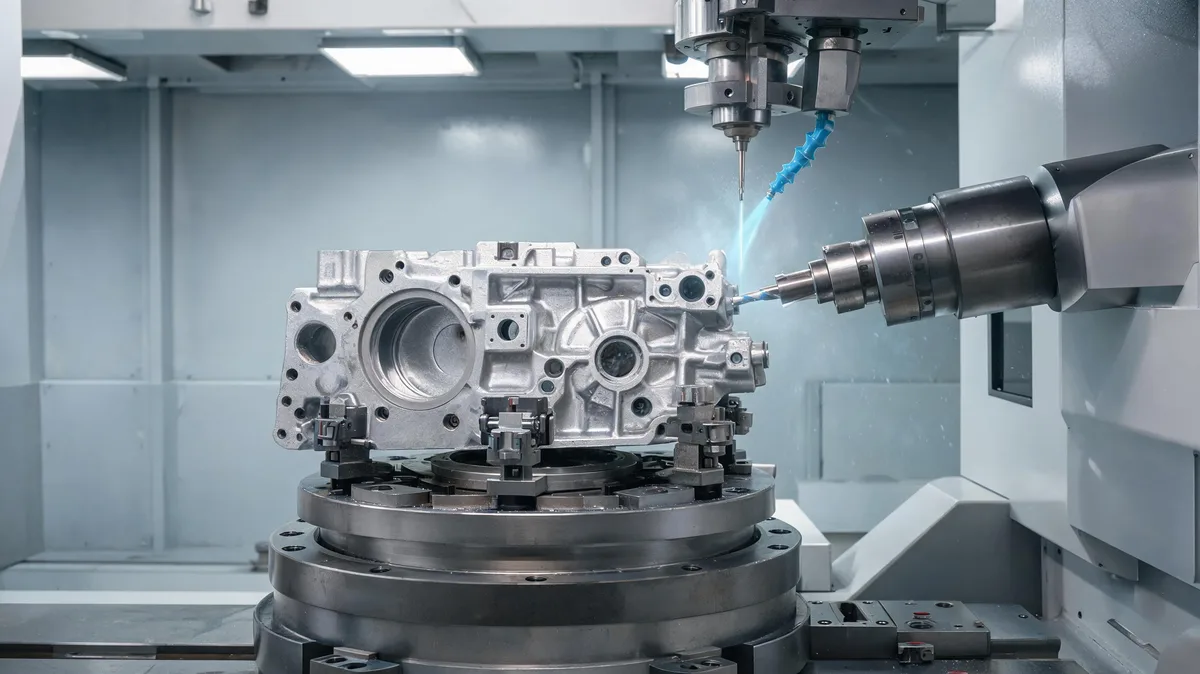
A mold cavity is a complex 3D shape - either machined directly or produced by EDM from a machined electrode. The work is usually hardened tool steel (P20, H13, NAK80) or stainless for corrosion-resistant molds. The key demands are surface finish, dimensional consistency across the cavity, and the ability to hold detail deep in the form.
Recommended Machines for Mold Cavities
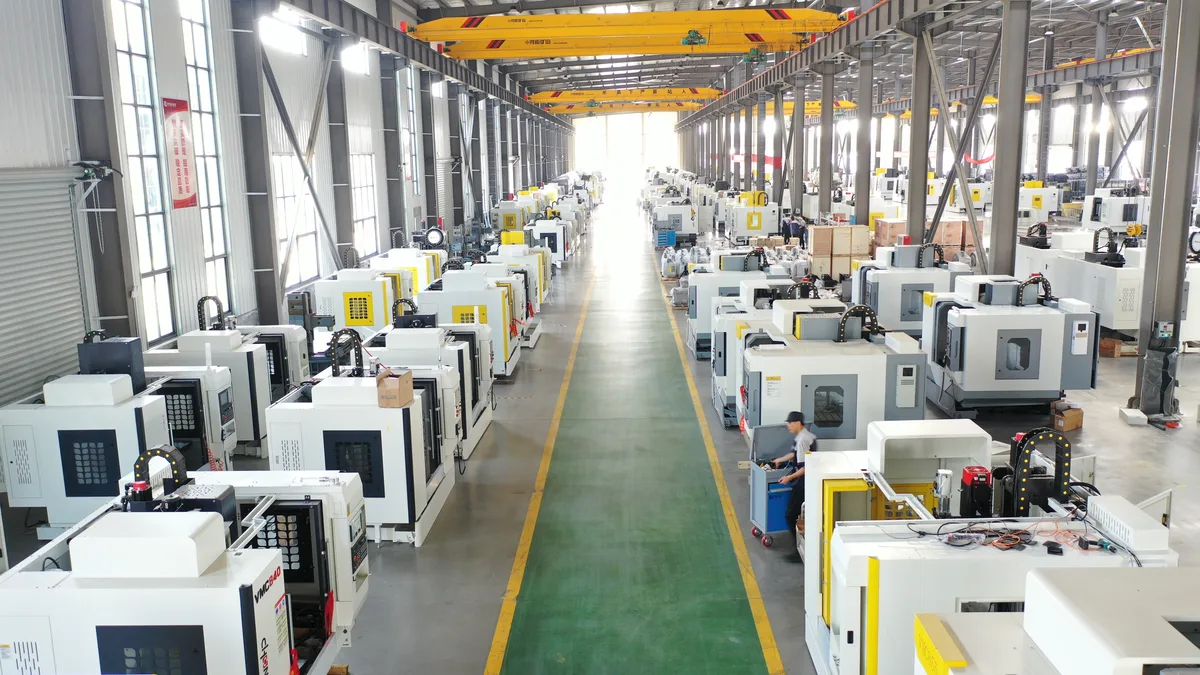
For most mold cavities and electrodes, a high-speed vertical machining center is the right tool. The VMC1160 covers medium cavities; the VMC1370D is a mold-oriented machine tuned for the finishing passes that cavity work needs. For very large mold plates, step up to the VMC1690.
If your mold has angled or complex faces, a 5-axis machine cuts them in fewer setups. For the electrode work that burns a cavity, a precision VMC with fine contouring keeps the electrode true.
Key Process Points
Roughing the cavity
Rough out the bulk material first with a higher depth of cut and lower feed. Leave a uniform stock margin for finishing - this keeps the finish consistent and protects the machine.
Finishing passes
Use lighter cuts and a ball-nose mill for the final contour. Slower finishing with a stable machine gives the surface the customer asked for.
Electrode machining
An electrode has to mirror the cavity exactly. Machine it on the same high-speed VMC with fine control, and keep the offset consistent to the EDM process.
Hardened steel
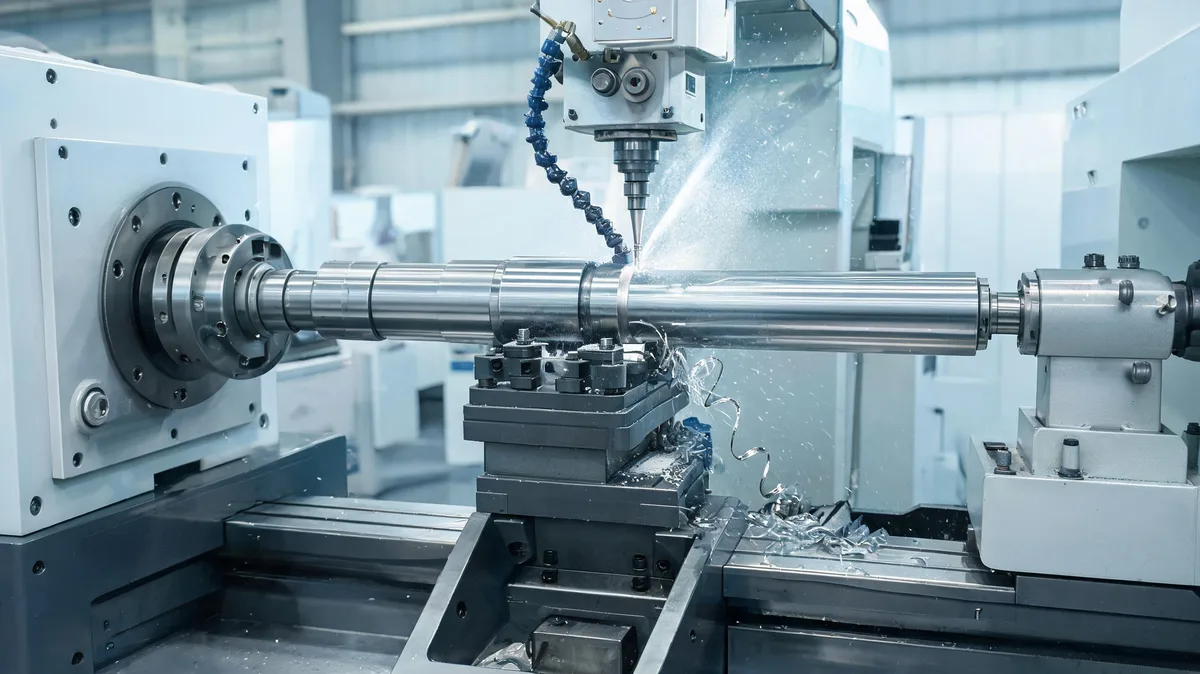
For hardened tool steel, use appropriate tooling and a rigid machine. The structure and thermal stability matter more than peak spindle speed.
Frequently Asked Questions
What machine is best for mold cavities?
A high-speed vertical machining center with rigid structure, like the VMC1370D, is well suited to cavity and electrode work. For complex faces, a 5-axis machine cuts them in fewer setups.
Can Handemo machine hardened mold steel?
Yes. We offer rigid VMCs and heavy-duty models suited to hardened tool steel, along with the tooling advice to hold cavity detail.
Do I need a 5-axis for mold work?
Not always. Many cavities are cut fine on a high-speed VMC. Five-axis is worthwhile when you have many angled faces and want to reduce setups.
Get a Mold Machining Plan
Send us your mold or electrode drawing and Handemo will recommend the right machine and process. Contact Handemo CNC | Email: sales1@handemocnc.com | WhatsApp: +86 135 6320 3038