Từ tùy chọn cao cấp thành tiêu chuẩn năm 2026
The most definitive shift in the machine tool industry in 2026 is not a single technological breakthrough, but a fundamental evolution in manufacturing logic: multi-tasking machining is rapidly transitioning from a premium option to an industry standard.
This trend was identified as the top priority among four major directions at this year's ITES Metal Cutting Machine Tool Exhibition. Standardized multi-tasking processes can reduce single-part cycle times by 50% to 60%, cut setup errors by over 75%, and lower labor costs by more than 30%. The domestic turn-mill center market is projected to exceed RMB 14 billion, maintaining steady growth above 9% — outpacing the general CNC machine tool sector. In high-end fields such as aerospace and automotive components, demand for turn-mill centers has grown significantly, with complex-capability machines accounting for an increasing share of orders. Traditional single-function machines are being phased out of high-end production lines at an accelerating pace.
The End of the Single-Machine Era
The problems with conventional processing are clear: sequential operations, multiple setups, and a relay of machines. A typical workpiece undergoes three to five clamping operations, with positioning errors accumulating and extended waiting times between operations. Overall first-pass yield rates hover around 92%. Each additional machine and process step adds labor costs and consumes valuable floor space.
Multi-tasking machines that complete entire workpieces in a single setup, by contrast, achieve yield rates above 99.5%. 2026 data from high-end factory upgrades shows that purchases of standalone 3-axis machines have declined significantly year over year, while multi-functional composite machines have become an essential requirement. Customers no longer settle for "able to machine" — they demand "completed correctly the first time, with consistent stability throughout."
Hardware and Software Integration for Maximum Performance
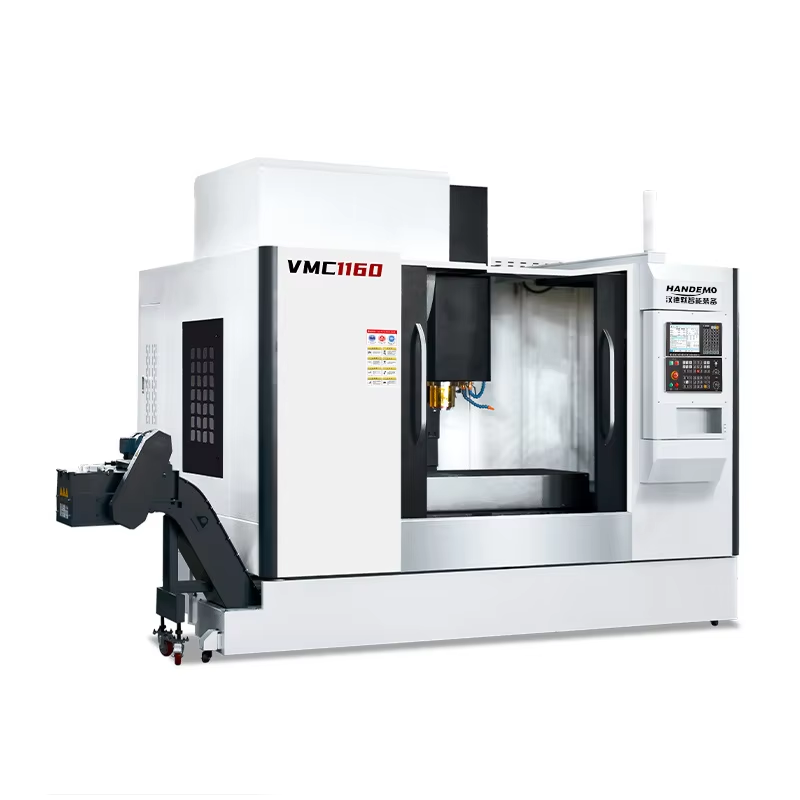
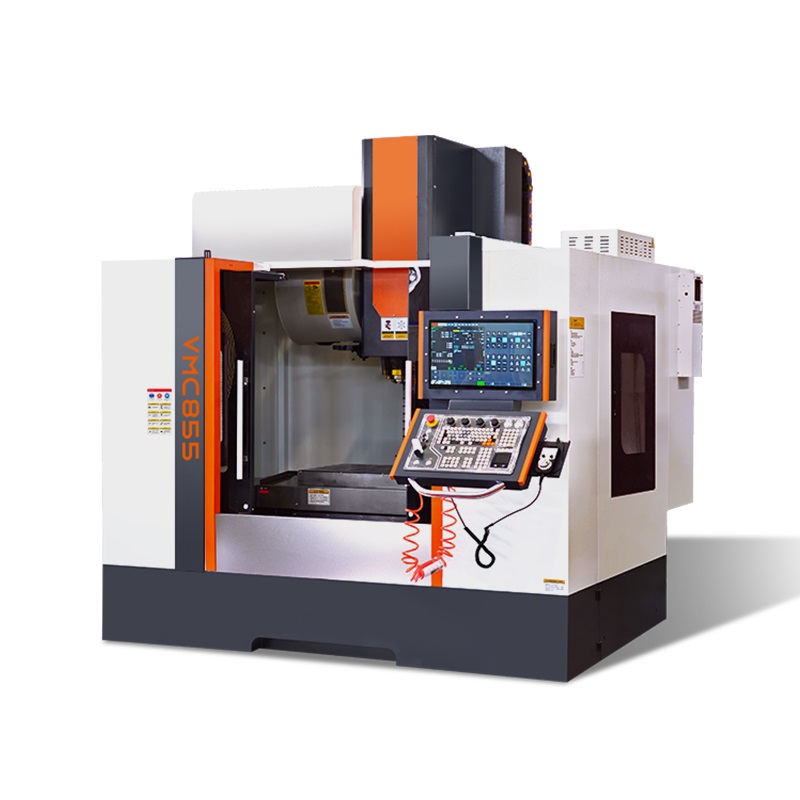
Multi-tasking machining places higher demands on equipment — requiring both sturdy intelligent systems and a stable machine foundation. Handemo offers a complete high-end product portfolio centered on four core lines: 5-axis simultaneous machining centers, high-speed vertical machining centers, high-precision turn-mill centers, and AI-powered intelligent machine tools. All models are equipped with proprietary multi-axis motion algorithms that intelligently plan optimal machining paths and automatically avoid interference. Complex异形 workpieces and curved surfaces are completed in a single setup — turning, milling, drilling, and boring — cutting single-part machining time in half.
Not sure which model fits your workload? Our engineers answer technical questions every day, and you can reach us through the contact page with your part drawings.
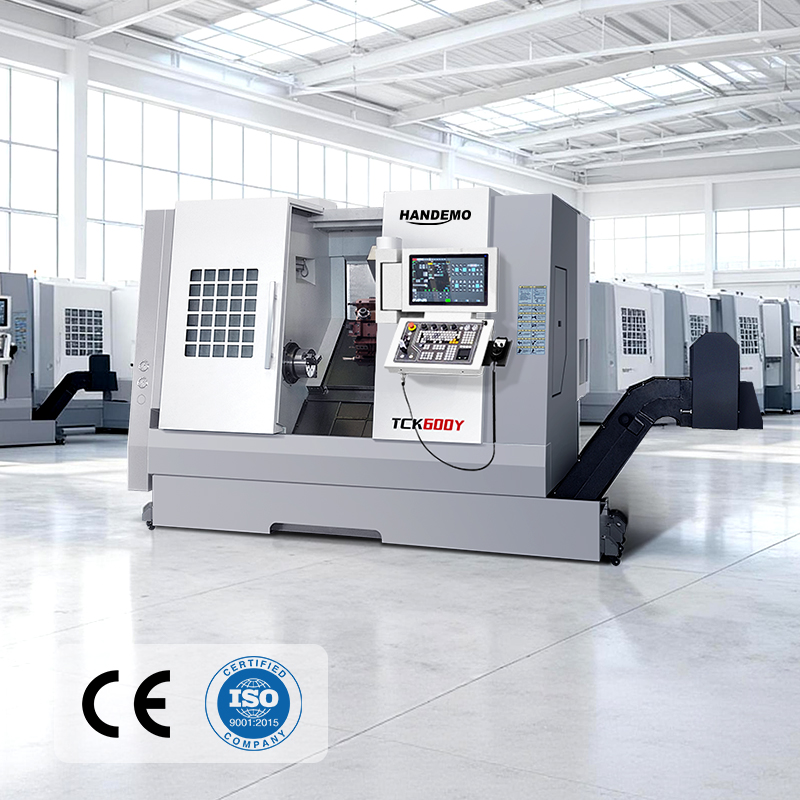
Handemo's TCK600Y heavy-duty turn-mill center, with its 4.9-ton rigid body and powerful drive configuration, delivers true "one setup, complete machining." The TCK70Y-1000 heavy-duty turn-mill center further increases total machine weight to 6.5 tons, specializing in large-dimension, heavy-load, high-precision workpieces. The TCK2300B full-hard-rail interpolation turn-mill center combines high structural rigidity, high torque, micron-level accuracy, and AI-powered intelligent control to achieve "one setup, multi-operation completion." The company's independently developed 5-axis swivel-head turn-mill center has received "internationally advanced" technology certification, filling a gap in domestic high-end 5-axis turn-mill capability.
If you are comparing options, take a look at our CNC slant bed lathes and the specifications we publish there.
On the software side, Handemo's proprietary multi-axis algorithms and AI intelligent control system deliver capabilities from voice programming and automatic drawing-to-program generation to real-time thermal deformation compensation and remote operation and maintenance. Ordinary operators can consistently produce high-precision workpieces, eliminating dependence on highly paid skilled machinists.
Efficiency Data Speaks for Itself
At the 7th China Machine Tool Festival, buyers witnessed the efficiency difference firsthand: for equivalent complex workpieces, conventional machining took 48 minutes, while a multi-tasking machine completed the same part in just 19 minutes — an efficiency gain of over 60%. The live demonstration also presented the full-chain intelligent manufacturing solution, from intelligent machine tools and collaborative robots to smart tool cabinets and digital twin workshops, clearly showing the path from single-machine upgrades to complete unattended factory transformation. Buyers don't need brochures; they need to see machines performing in front of them.
The Critical Variable for the Next Phase
Machine tools are durable goods. Once a customer selects a supplier, switching costs are high. As multi-tasking machining becomes the mainstream trend, customers' purchasing logic is shifting — they no longer look solely at single-machine pricing. Instead, they calculate: how many machines can this one replace? How many operators can it save? How much can it improve yield rates?
In 2026, demand for turn-mill and 5-axis simultaneous machining centers is surging. As capacity consolidates and orders concentrate among industry leaders, domestic manufacturers like Handemo are using tangible efficiency data to transform multi-tasking machining from concept to standard practice. Those who complete their multi-tasking technology deployment and volume production first will secure the advantage in the next wave of competition.
If you are evaluating a CNC machine for your shop, talk to our engineers first. Send us your workpiece drawings and production targets, and we will recommend the right model with a clear quotation. Email sales@handemocnc.com or contact our team for a fast reply.